 Breaking News & Live Updates
- Breaking News & Live Updates
- Breaking News & Live Updates
- Breaking News & Live Updates
- Breaking News & Live Updates
- Breaking News & Live Updates
- Breaking News & Live Updates
- Breaking News & Live Updates
- Breaking News & Live Updates
- Breaking News & Live Updates
Unraveling the Genetic Blueprint of Mental Health: A Conversation with Andrew Grotzinger
Bridging the Gaps: Genetics, Psychiatry, and the Future of Mental Healthcare
The Genesis of a Scientific Pursuit: Tracing the Path to Genetic Research in Mental Health
Andrew Grotzinger, an Assistant Professor at the University of Colorado Boulder's Department of Psychology and Neuroscience and the lead investigator at the P-Badger Lab, dedicates his work to deciphering the shared genetic factors influencing psychiatric and neurodegenerative conditions. His journey into this specialized domain began during his undergraduate studies in psychology, followed by a research coordination role in an eating disorders lab. This early experience ignited a broader fascination with the biological underpinnings of mental wellness. His academic trajectory eventually led him to a genetics lab at the University of Texas at Austin, coinciding with a pivotal moment in the genomics field—a period marked by a significant reduction in the cost of DNA sequencing.
Unveiling the Hidden Connections: Key Discoveries in Genetic Overlap of Psychiatric Disorders
A significant achievement in Grotzinger's research involves applying innovative methodologies to map the genetic commonalities across various psychiatric conditions. His clinical background provided firsthand insight into the frequent co-occurrence of multiple psychiatric diagnoses within individuals. This observation found a compelling parallel in his genetic research, which revealed substantial shared genetic signals among these disorders. His work has illuminated how DNA can serve as a statistical link across disparate participant cohorts, enabling the estimation of genetic correlations between conditions previously considered diagnostically exclusive, such as bipolar disorder and schizophrenia. Furthermore, his team has utilized single-cell gene-expression data from brain tissue to pinpoint specific cell types, particularly excitatory neurons, where this shared genetic risk is predominantly concentrated.
Charting New Frontiers: Future Directions in Psychiatric Genetics Research
Grotzinger envisions two primary avenues for the progression of his research program and the broader field of psychiatric genetics. The first imperative is to enhance the global diversity of participant samples in genetic studies. Recognizing the current imbalance where European-descendant individuals are overrepresented, he stresses the critical need for researchers, funding bodies, and publishers to actively prioritize greater inclusivity to ensure equitable benefits from genetic discoveries. The second area of growth involves enriching the nuance of traits examined in genomic studies. With genetic sample sizes now reaching unprecedented scales, researchers can begin to stratify participants based on subtle clinical variations, moving beyond simple diagnostic categories. This refined approach holds immense promise for advancing precision medicine, allowing for interventions tailored to the specific biological underpinnings of diverse clinical presentations.
Navigating the Labyrinth of Academia: Overcoming Challenges and Embracing Growth
One of the most significant hurdles Grotzinger has encountered in his career is recognizing and respecting his own limitations. Driven by passion and intellectual curiosity, many early-career researchers, including himself, find it challenging to decline opportunities or collaborations. This can lead to an accumulation of commitments that eventually diminish the joy and excitement associated with each project. His experience underscored the importance of stepping back and realistically assessing one's capacity to maintain both productivity and personal fulfillment, ensuring that the work continues to be a source of engagement rather than an overwhelming burden.
Wisdom for the Aspiring Mind: Cultivating a Sustainable and Inquisitive Research Career
Grotzinger offers invaluable advice to students aspiring to careers in research, emphasizing the long-term nature of the endeavor. He encourages treating a research career as a marathon, not a sprint, stressing the importance of self-care and developing interests beyond academia to prevent burnout and foster a more holistic perspective. He also advocates for cultivating comfort with uncertainty and maintaining an insatiable curiosity, urging researchers at all stages to continue asking questions. In an era of rapid scientific advancement, he highlights the necessity of collaboration and leaning on colleagues to stay abreast of new research and methodologies, acknowledging that no single individual can keep up with the entirety of their field's progress.
Other Articles
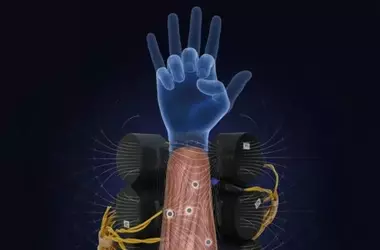
Magnetic Implants Restore Prosthetic Hand Sensation
A novel study reveals that tiny magnets implanted in amputees' residual limb muscles can generate natural, coordinated sensations of prosthetic hand movement. This breakthrough suggests the brain perceives movement as integrated actions, not isolated twitches. The research paves the way for advanced prosthetic limbs that offer users a more intuitive and tactile experience, reducing reliance on visual feedback.

The Digital Age Paradox: Chatbots, Loneliness, and the Erosion of Human Connection
In an era dominated by digital communication, a troubling decline in face-to-face verbal interaction is emerging, fueling a loneliness epidemic. Research indicates that while chatbots offer temporary companionship, their long-term use may intensify feelings of isolation. This shift necessitates new frameworks for understanding social anhedonia and calls for a reevaluation of how technology shapes our mental well-being and genuine human connection.
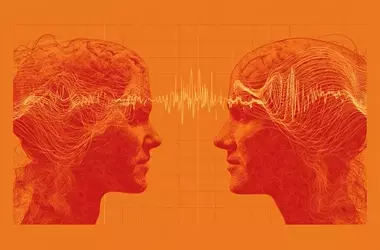
Exploring Brainwave Synchronization to Enhance Human Connection
A decade of groundbreaking research demonstrates that the common expression 'being on the same wavelength' has a tangible neurobiological basis. During face-to-face interactions, human brain rhythms align. This phenomenon, termed social synchrony, has been mapped by neuroscientists in diverse settings, from high schools to music studios, using portable EEG technology. The research indicates that synchronized brainwaves predict social rapport and engagement. Future studies, backed by a significant federal grant, aim to leverage this neural alignment for therapeutic interventions, combating loneliness, and strengthening community bonds.
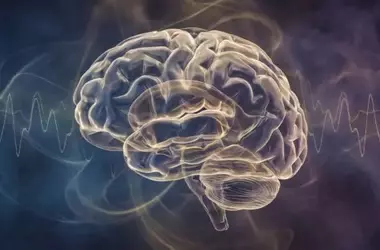
Brainwave Patterns Precede Deception: Unveiling the Neural Signatures of Impending Lies
A recent study published in NeuroImage demonstrates that distinctive brain signals emerge before an individual utters a falsehood, indicating a preparatory cognitive effort. Researchers utilized EEG to monitor electrical activity in participants' brains as they prepared to tell truths or lies about personal information. The findings suggest that detecting these neural markers could pave the way for novel lie detection methodologies by focusing on the pre-deception phase.
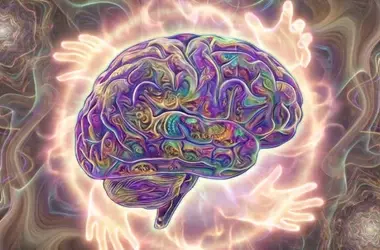
Psilocybin's Impact on Advanced Alzheimer's Disease: A Case Study
A recent case study published in Frontiers in Neuroscience suggests that a high dose of psilocybin mushrooms temporarily restored speech and mobility in an 80-year-old woman with advanced Alzheimer's disease. This discovery indicates that certain brain networks might retain dormant capacities even in the late stages of neurodegeneration, opening new avenues for symptom management and future clinical trials for psychedelic compounds.

Navigating the AI Era in Psychological Science Publishing
As artificial intelligence increasingly shapes scholarly discourse, journal editors at the Association for Psychological Science (APS) are deliberating on its integration into editorial practices. This article compiles insights from several APS journal editors, addressing critical questions regarding AI disclosure in manuscripts, its role in peer review, its utility in editorial workflows, its impact on student learning, and the considerations for AI-assisted translation. The diverse perspectives highlight both the opportunities and challenges AI presents to the integrity and future of psychological science publishing.