 Breaking News & Live Updates
- Breaking News & Live Updates
- Breaking News & Live Updates
- Breaking News & Live Updates
- Breaking News & Live Updates
- Breaking News & Live Updates
- Breaking News & Live Updates
- Breaking News & Live Updates
- Breaking News & Live Updates
- Breaking News & Live Updates
Sleep, Genetics, and Alzheimer's Risk in Older Women
We have all experienced moments of forgetfulness, like entering a room and forgetting why, or misplacing keys. While some degree of memory lapse is a natural part of aging, a recent study by Lui and colleagues (2026) suggests that the quality of our sleep might be a crucial indicator of potential memory and brain health issues, particularly for older women at an elevated risk for Alzheimer's disease.
Sleep's role extends beyond aiding focus and emotional well-being; it is intimately linked with neurological changes associated with Alzheimer's disease. Years before the onset of cognitive symptoms, tau protein tangles can accumulate in brain regions vital for memory and sleep. These tau tangles are a characteristic marker of Alzheimer's, and insufficient sleep can exacerbate their proliferation, leading to a decline in cognitive function. Women, in particular, tend to report more sleep disturbances and are more susceptible to developing Alzheimer's compared to men. This highlights the significance of investigating these correlations within the female population. Furthermore, women often demonstrate superior performance in verbal memory assessments, which could potentially obscure early signs of memory impairment. To counteract this, visual memory tests, which assess recall of images or object locations, may offer a more sensitive measure of early cognitive changes, as gender differences are less pronounced in these tasks.
Genetic factors also play a substantial role in brain health and memory capabilities. While the apolipoprotein (APOE) gene is commonly used to determine genetic risk, newer polygenic hazard scores provide a more comprehensive assessment by incorporating data from multiple genes. These advanced genetic evaluations help researchers identify individuals most vulnerable to Alzheimer's disease and those who might benefit most from prioritizing their sleep hygiene. The Women: Inflammation Tau Study (WITS), conducted at the University of California San Diego, enrolled 63 women aged 65 and above with a family history of dementia. Participants' genetic risk was categorized into high-risk or low-risk groups using a polygenic hazard score. They completed sleep questionnaires and underwent both verbal and visual memory tests. Tau tangles in the brain, indicative of Alzheimer's, were measured via PET scans.
Remarkably, significant correlations were observed primarily in women with a higher genetic predisposition to Alzheimer's disease. Within this high-risk cohort, self-reported poor sleep correlated with diminished performance on visual memory tasks. These individuals also exhibited increased levels of tau in the limbic regions of the brain, which are critical for memory and are often among the first areas affected by Alzheimer's. Conversely, these associations were not found in the low-risk group or when verbal memory was assessed in either group. These findings indicate that impaired sleep is connected to a greater accumulation of tau tangles in specific brain areas and reduced visual memory performance, specifically in older women with a heightened genetic risk for Alzheimer's disease.
These insights underscore the critical interrelationship between sleep, genetic vulnerability, and the progression of Alzheimer's disease, particularly in older women. The authors propose that improving sleep quality could potentially build resilience against Alzheimer's-related brain alterations. However, more extensive longitudinal research involving diverse populations is necessary to confirm this hypothesis. They also suggest that visual memory assessments could be more effective in detecting sleep-related memory deficits in at-risk women, and that simple sleep questionnaires might serve as an accessible and economical tool for identifying early neurological changes. This collective evidence emphasizes that the link between sleep and brain health is especially pertinent for women with an elevated genetic risk for Alzheimer's, and that visual memory tests might uncover subtle changes that verbal assessments miss. Ultimately, this serves as a reminder that sleep is not merely for feeling refreshed; it profoundly influences the long-term health and aging trajectory of our brains, promoting a healthier and more positive outlook on aging and cognitive well-being.
Other Articles

Brain Health: Age is Just a Number
New research published in Scientific Reports indicates that individuals across all age groups can significantly enhance and maintain their brain health over several years through the use of accessible online training and coaching resources. The findings suggest that engaging with specific cognitive strategies and adopting healthy habits can boost cognitive, emotional, and social well-being. This study paves the way for a future where brain health care prioritizes continuous development rather than solely focusing on memory decline in older age.

AI and Neuroscience: Unraveling the Neural Foundations of Human Speech
A recent study published in Nature reveals how individual brain cells in the human cortex act as specialized building blocks for spoken language. By directly recording electrical activity from the brains of individuals during natural conversation, researchers discovered that distinct groups of neurons are dedicated to processing different aspects of speech, sentence structure, and meaning. These insights could lead to advanced technologies for restoring communication in people with speech disorders.
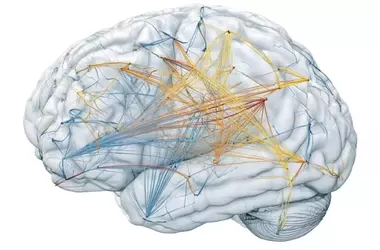
New Research Reveals Core Brain Circuits Behind OCD Symptoms
Scientists have pinpointed the causal brain circuits for Obsessive-Compulsive Disorder (OCD) using a novel approach called Causal Network Mapping. By analyzing rare cases where OCD symptoms emerged after a focal brain injury, researchers identified four key hubs: the orbitofrontal cortex and basal ganglia in both hemispheres. This discovery paves the way for more precise and individualized rTMS treatments, moving beyond generalized brain stimulation to target specific neural pathways implicated in OCD.

The Pivotal Role of Gut Microbiome in Diabetes Pathogenesis and Reversal
Emerging research highlights the critical involvement of the gut microbiome in the development and potential remission of type 2 diabetes. While the pancreas is traditionally associated with diabetes, a new review underscores how an imbalanced gut ecosystem, termed dysbiosis, can initiate a cascade leading to chronic inflammation, insulin resistance, and ultimately metabolic disease. Dietary modifications, particularly increasing fiber intake, are presented as a powerful strategy to restore gut health and, in many cases, achieve diabetes remission.

The Core Elements of Workplace Satisfaction: Autonomy, Competence, and Relatedness
A comprehensive review of 35 years of workplace research highlights that employees flourish when their fundamental psychological needs for autonomy, competence, and relatedness are fulfilled. Feeling trusted, adequately supported, and connected with colleagues not only boosts motivation and well-being but also enhances performance. Sustainable motivation stems from meaning and enjoyment, rather than external pressures or rewards. Even minor adjustments in work practices can transform a job into a more invigorating, fulfilling, and healthy experience.

Distinct Genetic Links Between Intelligence Forms and Psychiatric Conditions Revealed
A groundbreaking study has unveiled unique genetic connections between different types of intelligence and various psychiatric conditions. Published in Nature Communications, the research indicates that genetic predispositions for conditions like schizophrenia and bipolar disorder are linked to reduced problem-solving capabilities but enhanced knowledge accumulation. These findings underscore the highly specific nature of the genetic interplay between mental health and cognitive skills.