 Breaking News & Live Updates
- Breaking News & Live Updates
- Breaking News & Live Updates
- Breaking News & Live Updates
- Breaking News & Live Updates
- Breaking News & Live Updates
- Breaking News & Live Updates
- Breaking News & Live Updates
- Breaking News & Live Updates
- Breaking News & Live Updates
Brain Health: Age is Just a Number
A recent study highlights the potential for individuals of all ages to improve their brain health through online resources. The study, published in "Scientific Reports," suggests that engaging in targeted mental strategies and healthy lifestyle practices can significantly enhance cognitive, emotional, and social well-being over time. This offers a paradigm shift from a focus on age-related decline to one of continuous brain development and maintenance.
The BrainHealth Project, a long-term online clinical trial, further investigated this concept by involving nearly 4,000 adults aged 19 to 94. Participants regularly used an online platform that provided micro-learning modules and virtual coaching. The platform measured improvements across three key areas: cognitive clarity (reasoning and executive functions), social connectedness (purpose and relationships), and emotional balance (mood, stress, and resilience). The results showed remarkable improvements in overall brain health, particularly for those with lower initial scores, demonstrating the brain's inherent capacity for growth regardless of age. Higher engagement with the platform correlated with more substantial gains, and participants even showed increased resilience during stressful life events.
This pioneering research underscores the importance of proactive brain health strategies, challenging the outdated notion that cognitive decline is an inevitable part of aging. The findings suggest that just as physical fitness can be improved at any age, brain health can also be actively developed and sustained. While the study had some limitations, such as the lack of a control group and a predominantly educated participant pool, it provides compelling evidence for the effectiveness of accessible online interventions. Future research aims to diversify the participant sample and incorporate objective health data to further validate and expand upon these findings.
This groundbreaking study offers a hopeful outlook on brain health, emphasizing that our brains possess an enduring capacity for development and improvement throughout our lives. By embracing continuous learning and adopting brain-healthy habits, individuals can enhance their mental agility, emotional resilience, and overall well-being, fostering a future where a thriving brain is attainable at every stage of life. It inspires us to proactively invest in our cognitive vitality, recognizing that each brain holds limitless potential for growth and positive change.
Other Articles
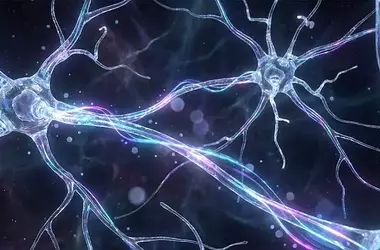
AI and Neuroscience: Unraveling the Neural Foundations of Human Speech
A recent study published in Nature reveals how individual brain cells in the human cortex act as specialized building blocks for spoken language. By directly recording electrical activity from the brains of individuals during natural conversation, researchers discovered that distinct groups of neurons are dedicated to processing different aspects of speech, sentence structure, and meaning. These insights could lead to advanced technologies for restoring communication in people with speech disorders.
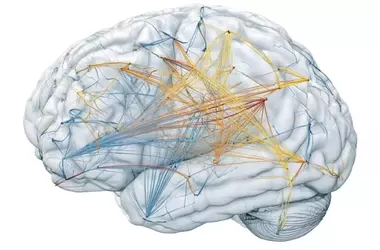
New Research Reveals Core Brain Circuits Behind OCD Symptoms
Scientists have pinpointed the causal brain circuits for Obsessive-Compulsive Disorder (OCD) using a novel approach called Causal Network Mapping. By analyzing rare cases where OCD symptoms emerged after a focal brain injury, researchers identified four key hubs: the orbitofrontal cortex and basal ganglia in both hemispheres. This discovery paves the way for more precise and individualized rTMS treatments, moving beyond generalized brain stimulation to target specific neural pathways implicated in OCD.

The Pivotal Role of Gut Microbiome in Diabetes Pathogenesis and Reversal
Emerging research highlights the critical involvement of the gut microbiome in the development and potential remission of type 2 diabetes. While the pancreas is traditionally associated with diabetes, a new review underscores how an imbalanced gut ecosystem, termed dysbiosis, can initiate a cascade leading to chronic inflammation, insulin resistance, and ultimately metabolic disease. Dietary modifications, particularly increasing fiber intake, are presented as a powerful strategy to restore gut health and, in many cases, achieve diabetes remission.

The Core Elements of Workplace Satisfaction: Autonomy, Competence, and Relatedness
A comprehensive review of 35 years of workplace research highlights that employees flourish when their fundamental psychological needs for autonomy, competence, and relatedness are fulfilled. Feeling trusted, adequately supported, and connected with colleagues not only boosts motivation and well-being but also enhances performance. Sustainable motivation stems from meaning and enjoyment, rather than external pressures or rewards. Even minor adjustments in work practices can transform a job into a more invigorating, fulfilling, and healthy experience.
Distinct Genetic Links Between Intelligence Forms and Psychiatric Conditions Revealed
A groundbreaking study has unveiled unique genetic connections between different types of intelligence and various psychiatric conditions. Published in Nature Communications, the research indicates that genetic predispositions for conditions like schizophrenia and bipolar disorder are linked to reduced problem-solving capabilities but enhanced knowledge accumulation. These findings underscore the highly specific nature of the genetic interplay between mental health and cognitive skills.
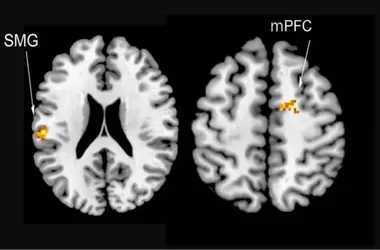
The Brain's Bias: Prioritizing Antagonism Over Amity in Social Cognition
A study by University of Osaka researchers, utilizing fMRI on participants watching a drama series, reveals that the human brain explicitly encodes antagonistic relationships within specific cortical regions, particularly the left anterior supramarginal gyrus and right medial prefrontal cortex. In contrast, friendly relationships elicit a less pronounced neural response. This suggests that social friction serves as a primary organizing principle for our brain's social mapping, offering insights into human cognition and potential advancements for AI development.