 Breaking News & Live Updates
- Breaking News & Live Updates
- Breaking News & Live Updates
- Breaking News & Live Updates
- Breaking News & Live Updates
- Breaking News & Live Updates
- Breaking News & Live Updates
- Breaking News & Live Updates
- Breaking News & Live Updates
- Breaking News & Live Updates
Real-time Feedback Enhances Human-Machine Interface Control
A recent scientific inquiry has brought to light a groundbreaking approach to human-machine interaction: the provision of instant, continuous performance cues. This method has shown considerable promise in amplifying an individual's proficiency in operating mechanical and digital systems, particularly in scenarios where conventional sensory inputs are compromised. This research paves the way for substantial advancements in medical rehabilitation devices and sophisticated prosthetic limbs, offering a fresh perspective on overcoming physical limitations.
Real-Time Reinforcement: A Detailed Exploration of Enhanced Human-Machine Control
In a pioneering study published in the esteemed journal Neuron, researchers investigated the impact of real-time feedback on human-machine interface control. Spearheaded by Pierre Vassiliadis during his tenure at the École Polytechnique Fédérale de Lausanne in Switzerland, the team, including Daniel Leal Pinheiro, Lisa Fleury, Silvestro Micera, Solaiman Shokur, and Friedhelm C. Hummel, aimed to address a critical challenge in the development of clinical interventions: enabling individuals to effectively use robotic devices or virtual reality platforms despite limited sensory input. Traditional methods often provide feedback only at the completion of a task, which can be unhelpful for intricate, multi-step actions.
To rigorously test their hypothesis, the scientists conducted a series of five distinct experiments involving a total of 106 participants. The initial three experiments engaged healthy young adults in a continuous tracking task. Participants were tasked with controlling a digital cursor on a computer screen by adjusting the grip force of a specialized hand device, striving to maintain the cursor within a moving target for seven seconds. A key innovation was the manipulation of visual feedback, with the cursor's visibility varying from always-on to intermittent, simulating conditions of reduced sensory information. Crucially, the target's color provided immediate performance reinforcement: green for success, red for failure, dynamically adapting to each participant's performance threshold.
The results of the first experiment involving 24 healthy adults demonstrated a clear pattern: diminished visual feedback significantly impaired cursor control, while the introduction of real-time reinforcement markedly improved performance across all conditions. The benefits were most pronounced in low-vision scenarios. Furthermore, this real-time feedback aided in skill retention, particularly when training occurred under limited visual cues. As Vassiliadis explained, a simple and cost-effective change in feedback design could render human-machine interfaces more accessible and easier to master, especially for patients using assistive technologies.
The second experiment, continuing with the same 24 participants, further substantiated these findings by confirming that performance gains were not merely due to physical limitations. The third experiment, utilizing a new group of 24 healthy individuals, successfully replicated the initial findings, firmly establishing the reliability of real-time reinforcement in enhancing motor control when visual input is sparse.
Expanding the scope, the fourth experiment involved 40 healthy participants controlling the screen cursor via electrical signals from their biceps muscles, with their arms remaining stationary. To compensate for the absence of natural physical movement sensation, artificial haptic feedback was provided through a motorized device on the palm, mimicking muscle force. By selectively reducing either visual or haptic feedback, researchers observed a decline in control ability, which was effectively mitigated by the real-time color-coded reinforcement. This confirmed the strategy's applicability across diverse machine interfaces.
In the fifth and most critical experiment, the research transitioned to a clinical population: 18 older adults who had sustained strokes leading to long-term physical movement impairments. These patients performed the handgrip task using their affected hands, with the task difficulty tailored to their individual capabilities. Similar to the healthy cohort, stroke patients showed substantial improvements in real-time motor control under low-vision conditions with reinforcement. Interestingly, under full-vision conditions, real-time reinforcement appeared to hinder performance, suggesting a potential information overload for individuals with brain lesions. Unlike their younger, healthy counterparts, stroke patients did not exhibit long-term retention of these newly acquired motor skills post-training, pointing to potential age-related learning differences or the specific neurological impact of stroke.
Analysis of movement variability provided deeper insights into the mechanism of real-time reinforcement. In conditions of limited visual feedback, participants robustly exploited successful actions, stabilizing their motor commands. In contrast, under full vision, reinforcement prompted more exploration after failures. Vassiliadis highlighted that the primary effect of real-time reinforcement was to foster more effective exploitation of success by solidifying effective motor commands, directly correlating with improved motor skill acquisition.
The findings from this extensive study provide compelling evidence for the efficacy of real-time reinforcement in human-machine interface control, particularly in overcoming sensory deficits. This approach could revolutionize rehabilitation strategies for individuals recovering from strokes or using prosthetic limbs, offering a more intuitive and effective learning pathway. However, the study's limitations, including the brief training durations and the controlled manipulation of sensory inputs, underscore the necessity for future research. Longer training periods and more naturalistic, unpredictable settings are essential to validate the clinical utility and establish the long-term retention of these motor skills in diverse patient populations. This research marks a significant step towards developing more responsive and user-friendly assistive technologies.
This study offers a compelling vision for the future of assistive technology and rehabilitation. The discovery that immediate, clear feedback can so profoundly influence motor learning, especially when other senses are compromised, is not merely an incremental improvement; it's a paradigm shift. Imagine a world where every prosthetic limb feels more intuitive, every stroke rehabilitation session yields faster, more lasting results, and every interaction with a machine becomes seamlessly integrated with our natural learning processes. While the need for further research, particularly concerning long-term retention and real-world applicability, is clear, the foundation laid by Vassiliadis and his team is robust. It prompts us to consider how we design interfaces, not just for efficiency, but for enhanced human capability and accelerated learning. The potential for transforming lives by making complex technologies more accessible and controllable is immense, reminding us that sometimes, the simplest tweaks can lead to the most profound advancements.
Other Articles

Ketogenic Diet Shows Promise for Schizophrenia and Bipolar Disorder Symptom Relief
A recent study revealed that a ketogenic diet can significantly improve metabolic function and alleviate psychiatric symptoms in individuals with schizophrenia and bipolar disorder. The research highlights the diet's ability to provide an alternative energy source for the brain, leading to sustained reductions in psychotic symptoms and cognitive impairments without major side effects. This suggests a metabolic approach could be a valuable intervention in mental healthcare.
Sleep, Genetics, and Alzheimer's Risk in Older Women
A recent study highlights the critical connection between sleep quality, genetic predisposition, and the risk of Alzheimer's disease in older women. It suggests that poor sleep may accelerate the formation of tau tangles in the brain and impair visual memory, especially in those with a higher genetic susceptibility. The research underscores the potential of sleep improvement and specific memory tests for early detection.

Brain Health: Age is Just a Number
New research published in Scientific Reports indicates that individuals across all age groups can significantly enhance and maintain their brain health over several years through the use of accessible online training and coaching resources. The findings suggest that engaging with specific cognitive strategies and adopting healthy habits can boost cognitive, emotional, and social well-being. This study paves the way for a future where brain health care prioritizes continuous development rather than solely focusing on memory decline in older age.
AI and Neuroscience: Unraveling the Neural Foundations of Human Speech
A recent study published in Nature reveals how individual brain cells in the human cortex act as specialized building blocks for spoken language. By directly recording electrical activity from the brains of individuals during natural conversation, researchers discovered that distinct groups of neurons are dedicated to processing different aspects of speech, sentence structure, and meaning. These insights could lead to advanced technologies for restoring communication in people with speech disorders.
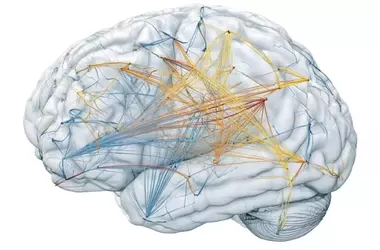
New Research Reveals Core Brain Circuits Behind OCD Symptoms
Scientists have pinpointed the causal brain circuits for Obsessive-Compulsive Disorder (OCD) using a novel approach called Causal Network Mapping. By analyzing rare cases where OCD symptoms emerged after a focal brain injury, researchers identified four key hubs: the orbitofrontal cortex and basal ganglia in both hemispheres. This discovery paves the way for more precise and individualized rTMS treatments, moving beyond generalized brain stimulation to target specific neural pathways implicated in OCD.

The Pivotal Role of Gut Microbiome in Diabetes Pathogenesis and Reversal
Emerging research highlights the critical involvement of the gut microbiome in the development and potential remission of type 2 diabetes. While the pancreas is traditionally associated with diabetes, a new review underscores how an imbalanced gut ecosystem, termed dysbiosis, can initiate a cascade leading to chronic inflammation, insulin resistance, and ultimately metabolic disease. Dietary modifications, particularly increasing fiber intake, are presented as a powerful strategy to restore gut health and, in many cases, achieve diabetes remission.