 Breaking News & Live Updates
- Breaking News & Live Updates
- Breaking News & Live Updates
- Breaking News & Live Updates
- Breaking News & Live Updates
- Breaking News & Live Updates
- Breaking News & Live Updates
- Breaking News & Live Updates
- Breaking News & Live Updates
- Breaking News & Live Updates
Ketogenic Diet Shows Promise for Schizophrenia and Bipolar Disorder Symptom Relief
A groundbreaking study has demonstrated that a ketogenic diet, by shifting the brain's primary energy source from glucose to fat-derived ketones, can lead to substantial metabolic improvements and a significant reduction in persistent psychiatric symptoms. This dietary intervention, termed metabolic psychiatry, effectively bypasses impaired glucose processing pathways in the brain, restoring vital energy and resulting in notable advancements across metabolic, cognitive, and psychological domains, all without eliciting significant adverse effects.
The feasibility of adhering to a restrictive diet for individuals with severe mental illness has often been questioned. However, this trial challenged such preconceptions, reporting an impressive 83% adherence rate to maintaining ketosis during the initial one-month period, which further increased to a striking 94% over a four-month extension, with no severe side effects reported. This high level of compliance underscores the potential for nutritional interventions in this patient population.
During the initial month, participants on the ketogenic diet experienced profound metabolic enhancements compared to a control group adhering to their usual diet. Crucially, a direct correlation was observed between elevated circulating blood ketone levels and a sharp decrease in blood glucose, alongside a substantial reduction in depressive symptoms. This suggests that the physiological state of ketosis itself, rather than merely weight loss, contributes to these therapeutic benefits.
The study meticulously distinguished between the effects of ketosis and weight loss. Even after statistically adjusting for weight reduction, the observed psychiatric relief remained pronounced. This finding strongly supports the hypothesis that nutritional ketosis, by supplying the brain with a highly efficient alternative fuel source, is the primary driver of mental health improvements, rather than weight loss alone. This offers a new perspective on how dietary changes can directly impact neurological function and mental well-being.
While a month of dietary modification was sufficient to address metabolic issues, significant psychological breakthroughs required a longer commitment. Participants who extended their ketogenic diet for four months experienced sustained reductions in both clinical depression and core schizophrenia symptoms. Furthermore, they showed marked improvements in their daily cognitive performance, a crucial aspect often left unaddressed by conventional antipsychotic medications. This extended observation period highlighted the cumulative benefits of long-term dietary adherence.
Lead author Judith M. Ford emphasized the importance of measurable cognitive and psychological improvements, particularly since existing antipsychotic treatments frequently fail to ameliorate debilitating lifestyle symptoms such as cognitive blunting and fatigue. These results suggest that a ketogenic approach could fill a critical gap in current mental health treatments, offering a more holistic pathway to recovery and improved quality of life.
The study, published in the Schizophrenia Bulletin, represents a pioneering randomized controlled trial conducted by researchers at the University of California, San Francisco (UCSF), with partial funding from the National Institute of Mental Health (NIMH). It enrolled participants diagnosed with schizophrenia-spectrum or bipolar-1 disorders, systematically comparing a ketogenic diet intervention with a standard diet-as-usual approach. This research contributes significantly to the growing body of literature advocating for the potential of ketogenic diets in managing psychotic disorders.
Following a one-month initial phase, 47 out of 58 enrolled participants completed the comparative study. An optional four-month single-arm extension saw 25 participants continue the ketogenic diet. The high adherence rates and absence of significant side effects underscored the diet's safety and practicality for this vulnerable population. Statistically significant improvements in metabolic markers, such as weight, hemoglobin A1c, and insulin resistance, were observed in the ketogenic group. Importantly, the correlation between higher ketone levels and reduced blood glucose and depressive symptoms persisted even after accounting for weight changes, reinforcing the direct impact of ketosis.
The four-month extension period solidified these findings, demonstrating sustained metabolic improvements alongside significant reductions in both depressive and schizophrenic symptoms, coupled with enhanced cognitive performance. While this extension was a single-arm study with a smaller cohort, the results are highly encouraging, signaling the ketogenic diet as a promising intervention for severe mental illness. Researchers acknowledge the need for larger, longer, and fully controlled trials to validate these benefits on a broader scale and establish standardized nutritional therapies within public healthcare systems. This call for further investment in metabolic psychiatry underscores the potential for transformative care in mental health.
Other Articles

Sleep, Genetics, and Alzheimer's Risk in Older Women
A recent study highlights the critical connection between sleep quality, genetic predisposition, and the risk of Alzheimer's disease in older women. It suggests that poor sleep may accelerate the formation of tau tangles in the brain and impair visual memory, especially in those with a higher genetic susceptibility. The research underscores the potential of sleep improvement and specific memory tests for early detection.

Brain Health: Age is Just a Number
New research published in Scientific Reports indicates that individuals across all age groups can significantly enhance and maintain their brain health over several years through the use of accessible online training and coaching resources. The findings suggest that engaging with specific cognitive strategies and adopting healthy habits can boost cognitive, emotional, and social well-being. This study paves the way for a future where brain health care prioritizes continuous development rather than solely focusing on memory decline in older age.

AI and Neuroscience: Unraveling the Neural Foundations of Human Speech
A recent study published in Nature reveals how individual brain cells in the human cortex act as specialized building blocks for spoken language. By directly recording electrical activity from the brains of individuals during natural conversation, researchers discovered that distinct groups of neurons are dedicated to processing different aspects of speech, sentence structure, and meaning. These insights could lead to advanced technologies for restoring communication in people with speech disorders.
New Research Reveals Core Brain Circuits Behind OCD Symptoms
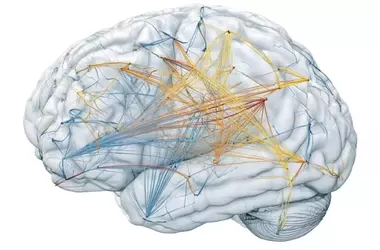
Scientists have pinpointed the causal brain circuits for Obsessive-Compulsive Disorder (OCD) using a novel approach called Causal Network Mapping. By analyzing rare cases where OCD symptoms emerged after a focal brain injury, researchers identified four key hubs: the orbitofrontal cortex and basal ganglia in both hemispheres. This discovery paves the way for more precise and individualized rTMS treatments, moving beyond generalized brain stimulation to target specific neural pathways implicated in OCD.

The Pivotal Role of Gut Microbiome in Diabetes Pathogenesis and Reversal
Emerging research highlights the critical involvement of the gut microbiome in the development and potential remission of type 2 diabetes. While the pancreas is traditionally associated with diabetes, a new review underscores how an imbalanced gut ecosystem, termed dysbiosis, can initiate a cascade leading to chronic inflammation, insulin resistance, and ultimately metabolic disease. Dietary modifications, particularly increasing fiber intake, are presented as a powerful strategy to restore gut health and, in many cases, achieve diabetes remission.

The Core Elements of Workplace Satisfaction: Autonomy, Competence, and Relatedness
A comprehensive review of 35 years of workplace research highlights that employees flourish when their fundamental psychological needs for autonomy, competence, and relatedness are fulfilled. Feeling trusted, adequately supported, and connected with colleagues not only boosts motivation and well-being but also enhances performance. Sustainable motivation stems from meaning and enjoyment, rather than external pressures or rewards. Even minor adjustments in work practices can transform a job into a more invigorating, fulfilling, and healthy experience.