 Breaking News & Live Updates
- Breaking News & Live Updates
- Breaking News & Live Updates
- Breaking News & Live Updates
- Breaking News & Live Updates
- Breaking News & Live Updates
- Breaking News & Live Updates
- Breaking News & Live Updates
- Breaking News & Live Updates
- Breaking News & Live Updates
Patience and Anxiety: The Role of Daily Annoyances and Spiritual Struggles
A recent academic investigation has shed light on the intricate relationship between patience, spiritual struggles, and anxiety among university students. The findings indicate that persistent religious and spiritual difficulties are associated with increased anxiety levels. Conversely, cultivating patience in handling minor daily nuisances appears to foster a reduction in overall anxiety across time. This study, published in "Psychology of Religion & Spirituality," suggests that while patience contributes to mental health independently, it does not act as a shield against the specific anxieties stemming from profound existential doubts.
Religious and spiritual beliefs often provide solace and a sense of purpose, yet they can also be sources of significant psychological tension. These "spiritual struggles" encompass a range of experiences, from questioning divine figures to grappling with moral failings or communal conflicts. Such struggles are particularly prevalent during college years, a period when young adults frequently re-evaluate their beliefs. Previous research has consistently linked these faith-based tensions to elevated anxiety and depressive symptoms. The current study aimed to understand if patience, defined as an active coping mechanism involving emotional regulation and the capacity to endure hardship, could mitigate these adverse effects. Researchers distinguished between interpersonal patience (managing frustration with others), life hardship patience (enduring major difficulties), and daily hassles patience (tolerating minor irritations).
The study monitored 274 undergraduate students at a Christian university over their four-year academic journey, collecting survey data during their freshman and senior years. Initial observations confirmed that students reporting more frequent spiritual struggles also exhibited higher anxiety. This correlation persisted, with increasing spiritual struggles throughout college corresponding to a rise in anxiety symptoms. Contrary to the researchers' initial hypothesis, patience did not directly buffer the anxiety induced by spiritual turmoil. This suggests that the deep-seated nature of identity and meaning crises often bypasses the general regulatory effects of patience. Nevertheless, patience emerged as a significant independent predictor of mental well-being. Students demonstrating high levels of interpersonal and life hardship patience at the outset experienced lower baseline anxiety. More notably, students who enhanced their capacity for daily hassles patience over time reported a significant decrease in anxiety symptoms by their final year, indicating that managing minor irritations can prevent the accumulation of general stress.
While this research offers valuable insights, it is important to acknowledge its limitations. The sample was drawn from a religiously affiliated institution, which may limit the generalizability of the findings to secular environments or the broader population. The singular measure of religious/spiritual struggles in the survey, while capturing frequency, could not differentiate between various types of issues, which might yield different anxiety responses. Additionally, the reliance on self-reported data and the complex statistical models used for a relatively small sample size warrant further replication with larger and more diverse groups. Future research could investigate behavioral interventions designed to enhance daily hassles patience as a method for reducing generalized anxiety, while also exploring specialized support systems, such as pastoral care or community dialogues, for addressing the deeper roots of spiritual struggles.
Other Articles

Antidepressant Use During Pregnancy and Neurodevelopmental Outcomes in Children: A Comprehensive Review
A recent study published in PLOS Medicine investigates the link between maternal antidepressant use during pregnancy and children's risk of special educational needs, autism, and ADHD. The research suggests that while maternal depression itself increases the likelihood of developmental challenges, antidepressants might not contribute significantly to this risk beyond the severity of the underlying depression. This challenges earlier findings and provides crucial insights for expectant mothers and healthcare providers.

Unraveling the Complex Social Paths of Autism and ADHD Traits to Mental Health Issues
A recent longitudinal study published in 'Psychological Medicine' explores how autism and ADHD traits contribute to mental health problems in children. It reveals that social difficulties such as peer conflicts, academic struggles, and family disputes do not linearly lead to mental health issues but rather engage in bidirectional relationships, forming self-reinforcing cycles as children develop through elementary and junior high school. The research highlights distinct social pathways for autism and ADHD traits, emphasizing the need for tailored support.
Brain Scans Uncover Tau Buildup in Late-Onset Psychosis Patients
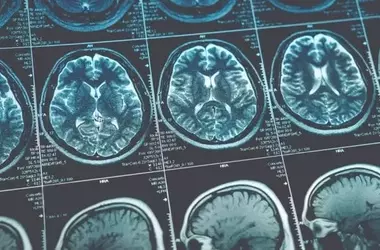
A recent Japanese study revealed a significant correlation between late-onset psychosis (onset after age 40) and the accumulation of amyloid-beta and tau proteins in the brain. These proteins are known indicators of Alzheimer's disease and other forms of dementia. Notably, many patients exhibited tau buildup without amyloid, suggesting diverse underlying brain pathologies. The findings, published in Molecular Psychiatry, underscore the potential neurodegenerative basis of psychosis manifesting later in life, opening new avenues for diagnosis and treatment strategies.
Divergent Brain Responses to Reward in ADHD and Autism Revealed by Advanced Imaging
A recent study utilizing brain scans has uncovered that individuals with Attention Deficit Hyperactivity Disorder (ADHD) and Autism Spectrum Disorder (ASD) exhibit contrasting patterns of reward processing in the brain, despite involving similar deep brain structures. ADHD is linked to heightened activity in response to immediate rewards, contributing to impulsivity, while ASD shows reduced activity, particularly concerning social rewards. These findings, published in Molecular Psychiatry, provide a neurobiological framework for understanding the distinct behavioral characteristics of each condition.

Oxytocin System and Childhood Trauma in Functional Neurological Disorder
A study explored the oxytocin system's role in Functional Neurological Disorder (FND), particularly its links to childhood trauma and interoception. While genetic variations alone didn't directly cause FND, interactions between genetics, epigenetics, and oxytocin levels showed associations with how patients process physical sensations and past trauma. The research suggests a complex interplay between biological factors and life experiences in FND development.

Salsa Dancing: A Rhythmic Remedy for Depression in Young Adults
A recent study published in "Psychological Medicine" reveals that an eight-week salsa dancing program significantly reduces depressive symptoms and social anxiety in young adults. This randomized trial, comparing a dance group to a waitlist control, highlights the potential of social movement activities as an accessible and engaging mental health intervention, especially for a demographic often underserved by traditional therapies. The findings suggest that the combination of physical activity and social interaction inherent in salsa can offer substantial benefits, including improved mood and preserved social enjoyment.