 Breaking News & Live Updates
- Breaking News & Live Updates
- Breaking News & Live Updates
- Breaking News & Live Updates
- Breaking News & Live Updates
- Breaking News & Live Updates
- Breaking News & Live Updates
- Breaking News & Live Updates
- Breaking News & Live Updates
- Breaking News & Live Updates
Antidepressant Use During Pregnancy and Neurodevelopmental Outcomes in Children: A Comprehensive Review
New research provides significant insights into the intricate relationship between antidepressant use during pregnancy and neurodevelopmental outcomes in offspring. This comprehensive analysis indicates that while maternal depression itself is associated with an elevated risk of special educational needs in children, the use of antidepressants during pregnancy may not independently heighten this risk beyond the severity of the mother's underlying depressive state. These findings are pivotal for informing the decisions of pregnant individuals and their medical teams regarding mental health treatment, underscoring the importance of managing depression effectively while pregnant.
Previous studies have often raised concerns about the potential link between prenatal antidepressant exposure and conditions such as autism spectrum disorder (ASD) and attention-deficit/hyperactivity disorder (ADHD). However, this latest investigation suggests that the observed correlations might be more attributable to shared genetic factors or the severity of maternal depression rather than the medication itself. By carefully dissecting these complex associations, the study aims to offer a clearer, more nuanced understanding that could alleviate some anxieties surrounding mental health treatment options for pregnant women.
Understanding the Link Between Maternal Depression, Antidepressants, and Child Development
Expectant mothers frequently grapple with challenging decisions regarding their mental health care, particularly concerning the potential impact of prescribed medications on fetal brain development. The fear of adverse effects can lead some pregnant individuals to discontinue their antidepressant regimens, which inadvertently exposes both the mother and the unborn child to the detrimental consequences of untreated depression. Historically, early observational studies fueled these concerns, with some research suggesting a heightened risk of autism spectrum disorder in children whose mothers took antidepressants during pregnancy. However, subsequent, more rigorous investigations, particularly those that accounted for underlying maternal depression and familial genetic predispositions, have often demonstrated that this perceived link tends to diminish or even disappear. This evolving understanding highlights the critical need to differentiate between the effects of the illness itself and the effects of its treatment.
The current study meticulously examined a large cohort to disentangle these intertwined factors. It compared children whose mothers had a depression diagnosis, with or without antidepressant prescriptions, against those whose mothers had neither exposure. The findings revealed that maternal depression, even without medication, was associated with an increased likelihood of special educational needs. When antidepressants were used, a small additional risk was observed, but researchers couldn't definitively attribute this to the medication rather than to more severe forms of depression. This emphasizes that untreated maternal depression poses its own set of developmental risks, reinforcing the idea that effective management of mental health during pregnancy is paramount for both maternal well-being and child development. The nuances of these findings provide a more balanced perspective for expectant mothers and healthcare professionals navigating treatment choices.
Implications for Clinical Practice and Future Research
The latest research offers crucial insights that could refine clinical guidelines for managing maternal depression during pregnancy. The study, which utilized extensive health and education databases from Wales, meticulously linked records for over 167,000 children. This allowed researchers to analyze the outcomes of children whose mothers experienced depression, both treated and untreated with antidepressants, and compare them to a baseline group. A key finding was that untreated maternal depression itself was associated with a higher incidence of special educational needs in children. While a slight additional risk was noted for children whose mothers received antidepressants, the researchers cautioned that this incremental increase could be due to the greater severity of depression in mothers who were prescribed medication, rather than the medication having an independent causal effect. This distinction is vital, as it implies that the benefits of treating severe depression may outweigh the perceived, albeit small and potentially unproven, risks associated with antidepressant use.
Moreover, the study highlighted that when comparing children of mothers with treated depression to those with untreated depression, the differences in outcomes for autism and ADHD were not statistically significant. Small differences were observed for learning difficulties and behavioral issues, but these were minor. The authors also investigated various classes of antidepressants, noting that selective serotonin reuptake inhibitors (SSRIs), the most commonly prescribed type, followed the general pattern of findings. However, older classes like tricyclic antidepressants showed a larger, though imprecise, gap, which might again reflect the severity of depression requiring these specific treatments. Experts external to the study underscored that these population-level statistics do not dictate individual outcomes and that causality cannot be definitively established from observational data. Future research is essential to further delineate the impact of depression severity, environmental factors, dosage of medication, and the long-term developmental trajectories of children, particularly by following cohorts into adolescence and beyond, to provide even more robust evidence for clinical decision-making.
Other Articles

Unraveling the Complex Social Paths of Autism and ADHD Traits to Mental Health Issues
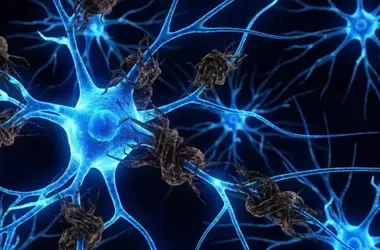
A recent longitudinal study published in 'Psychological Medicine' explores how autism and ADHD traits contribute to mental health problems in children. It reveals that social difficulties such as peer conflicts, academic struggles, and family disputes do not linearly lead to mental health issues but rather engage in bidirectional relationships, forming self-reinforcing cycles as children develop through elementary and junior high school. The research highlights distinct social pathways for autism and ADHD traits, emphasizing the need for tailored support.
Brain Scans Uncover Tau Buildup in Late-Onset Psychosis Patients
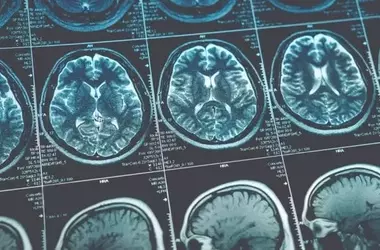
A recent Japanese study revealed a significant correlation between late-onset psychosis (onset after age 40) and the accumulation of amyloid-beta and tau proteins in the brain. These proteins are known indicators of Alzheimer's disease and other forms of dementia. Notably, many patients exhibited tau buildup without amyloid, suggesting diverse underlying brain pathologies. The findings, published in Molecular Psychiatry, underscore the potential neurodegenerative basis of psychosis manifesting later in life, opening new avenues for diagnosis and treatment strategies.
Divergent Brain Responses to Reward in ADHD and Autism Revealed by Advanced Imaging
A recent study utilizing brain scans has uncovered that individuals with Attention Deficit Hyperactivity Disorder (ADHD) and Autism Spectrum Disorder (ASD) exhibit contrasting patterns of reward processing in the brain, despite involving similar deep brain structures. ADHD is linked to heightened activity in response to immediate rewards, contributing to impulsivity, while ASD shows reduced activity, particularly concerning social rewards. These findings, published in Molecular Psychiatry, provide a neurobiological framework for understanding the distinct behavioral characteristics of each condition.
Oxytocin System and Childhood Trauma in Functional Neurological Disorder
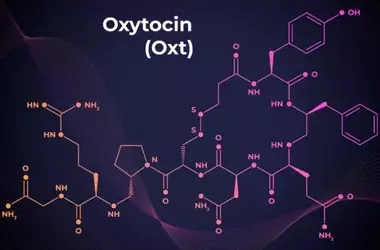
A study explored the oxytocin system's role in Functional Neurological Disorder (FND), particularly its links to childhood trauma and interoception. While genetic variations alone didn't directly cause FND, interactions between genetics, epigenetics, and oxytocin levels showed associations with how patients process physical sensations and past trauma. The research suggests a complex interplay between biological factors and life experiences in FND development.

Salsa Dancing: A Rhythmic Remedy for Depression in Young Adults
A recent study published in "Psychological Medicine" reveals that an eight-week salsa dancing program significantly reduces depressive symptoms and social anxiety in young adults. This randomized trial, comparing a dance group to a waitlist control, highlights the potential of social movement activities as an accessible and engaging mental health intervention, especially for a demographic often underserved by traditional therapies. The findings suggest that the combination of physical activity and social interaction inherent in salsa can offer substantial benefits, including improved mood and preserved social enjoyment.

Inner Dialogue During Psilocybin Therapy Linked to Alcohol Abstinence
A new study suggests that how individuals engage with a psilocybin experience may predict their success in maintaining alcohol abstinence. Participants who focused on inner dialogue, self-reflection, and commitment to change during their psychedelic session were more likely to remain abstinent three months later, compared to those who focused on sensory and emotional experiences. This highlights the potential importance of active cognitive processing during psychedelic-assisted therapy for alcohol use disorder.