 Breaking News & Live Updates
- Breaking News & Live Updates
- Breaking News & Live Updates
- Breaking News & Live Updates
- Breaking News & Live Updates
- Breaking News & Live Updates
- Breaking News & Live Updates
- Breaking News & Live Updates
- Breaking News & Live Updates
- Breaking News & Live Updates
Inner Dialogue During Psilocybin Therapy Linked to Alcohol Abstinence
A recent study published in the Journal of Affective Disorders indicates a potential connection between the introspective experience during psilocybin-assisted therapy and sustained abstinence from alcohol. Individuals receiving treatment for alcohol use disorder who maintained abstinence three months post-treatment exhibited distinct ways of describing their initial psychedelic session. Those who engaged in significant self-talk, re-evaluated behavioral patterns, and demonstrated a strong commitment to change during their experience were more likely to remain sober. Conversely, participants who primarily focused on sensory perceptions, vivid imagery, and intense emotions during their session tended to relapse into drinking.
Psilocybin, a psychedelic compound, temporarily alters perceptions, mood, and thought processes. In psychedelic-assisted psychotherapy, the administration of the substance is integrated with preparatory sessions and subsequent follow-up, or 'integration' sessions. These integration sessions are crucial for helping individuals process their experiences and align them with their recovery objectives. Previous research hints at the efficacy of psychedelic therapy for alcohol use disorder, yet the mechanisms behind varying treatment outcomes remain unclear. Hypothesized factors include personal revelations, emotional processing, shifts in self-perception, and novel coping strategies, though prior interview-based studies have been limited by small sample sizes.
The research, led by Maria Garcia Garcia of Nîmes University Hospital and the University of Montpellier, analyzed recordings from the first integration session of the Psilocybin Alcohol Depression trial. This randomized trial involved patients with alcohol use disorder and persistent depressive symptoms who were recently detoxified. They underwent two psilocybin sessions three weeks apart, receiving either a high dose or a very low dose, in conjunction with an intensive relapse prevention program. The analysis specifically focused on 20 participants who received the high 25-milligram dose, with a median age of 49 years, comprising 11 males and 9 females. Prior to dosing, participants engaged in preparatory sessions that included mindfulness practices and the establishment of personal intentions regarding alcohol, which were verbalized at the outset of the psilocybin session. Three months later, 11 participants remained abstinent (defined as no alcohol consumption in the preceding four weeks), while nine had resumed drinking. The integration sessions occurred the day following the initial dose. Transcripts of these sessions, totaling 127,760 words divided into 3,700 segments, were analyzed using software that identified two primary language patterns without predefined categories. The first pattern, accounting for 44% of classified segments, centered on sensory and emotional aspects of the psychedelic journey, such as physical sensations, visual phenomena, emotions, and the session's environment. This pattern was more prevalent among those who later returned to drinking. The second pattern, representing nearly 56% of segments, emphasized internal dialogue, critical re-evaluation of ingrained behaviors, setting intentions, and re-examining alcohol's role in their lives. This pattern was predominantly observed in participants who maintained abstinence, particularly those with higher trauma symptoms or greater sensitivity to social rejection. This 'active cognitive processing' involved self-reflection during the psilocybin session itself, with one abstinent participant recounting, "I told myself I don’t need alcohol to feel okay. I have people I love, and I have people who love me." Further analysis revealed that abstinent individuals more frequently mentioned family, positive emotions, and new coping mechanisms for triggers, whereas non-abstinent individuals more often spoke of negative emotions, physical discomfort, disappointment, and attempts to suppress unpleasant feelings. Interestingly, experiencing difficulties was not necessarily detrimental; fear, when associated with using learned coping strategies, was linked to abstinence. The study notes that no participants directly reported mystical experiences, and the intensity of the experience did not correlate with abstinence. The researchers propose that preparation, including the setting of personal intentions, may foster the type of inner dialogue crucial for successful treatment outcomes. The study acknowledges its limitations, including a small sample size (20 participants) and the exploratory nature of the analysis. The findings, while preliminary, suggest that fostering internal reflection during psilocybin therapy could be a vital therapeutic mechanism, warranting further investigation.
This research offers valuable insights into the potential therapeutic mechanisms of psilocybin-assisted therapy for alcohol use disorder. It underscores the profound impact of self-reflection and active cognitive engagement during psychedelic experiences. By focusing on inner dialogue and a commitment to personal growth, individuals can transform challenging experiences into opportunities for lasting positive change, fostering resilience and a renewed sense of purpose in their recovery journey. The ability to confront internal struggles and actively reframe one's relationship with alcohol through introspective processing highlights a pathway towards healing and sustained well-being, paving the way for a brighter future free from addiction.
Other Articles

Childhood Loneliness and Social Isolation: Enduring Impacts on Young Adults
A new study reveals that loneliness experienced during childhood does not necessarily lead socially isolated youth to reconnect with others later in life. Instead, both childhood loneliness and social isolation independently predict a range of mental health and socioeconomic challenges in young adulthood. These findings challenge previous evolutionary theories suggesting that loneliness acts as an adaptive alarm, motivating individuals to improve their social connections. The research highlights the critical need for direct interventions to address loneliness and isolation in children.
AI Reveals Asymmetric Brain Aging and Alzheimer's Markers
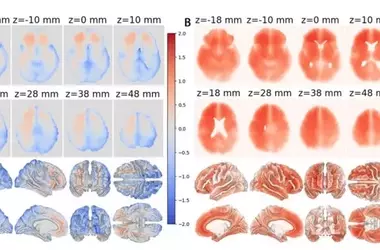
A new study utilizing artificial intelligence and MRI scans has revealed that the human brain ages unevenly, with the right hemisphere generally showing more advanced biological aging than the left. This research, published in PNAS, introduces a novel AI approach to map localized brain aging at a fine-grained level, identifying specific regions that exhibit accelerated aging in individuals with Alzheimer's disease and mild cognitive impairment. The findings underscore the importance of regional brain age assessment over a single global score for detecting early signs of neurodegeneration.

Visceral Fat Loss Linked to Slower Brain Aging and Improved Cognition
New research suggests that reducing deep belly fat, specifically visceral fat, may slow brain aging and enhance cognitive function. Unlike overall body weight or subcutaneous fat, visceral fat's metabolic activity and release of inflammatory molecules appear to be a distinct risk factor for neurodegeneration, with improvements in blood sugar regulation potentially playing a key role in protecting brain health.

Sleep Disruption Boosts Preference for AI in Evaluations
New research indicates that when individuals experience social jetlag, a mismatch between their biological clock and daily schedule, they tend to favor artificial intelligence over human evaluators. This preference stems from increased social anxiety caused by fatigue, leading them to seek the perceived objectivity of AI to avoid human judgment. The findings, published in 'Computers in Human Behavior', highlight how sleep disruption impacts our interaction with technology.
Brain Structure Predicts Antidepressant Response
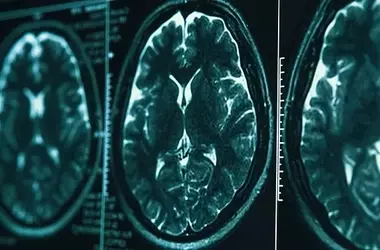
A small-scale study investigated whether the brain's cortical structure could predict how well individuals with major depressive disorder respond to the antidepressant vortioxetine. Researchers used high-resolution MRI and surface-based morphometry to examine the cortex. Findings suggest that specific features of brain regions involved in emotion regulation, planning, and visual processing, as measured before treatment, are associated with improvements in depressive and anxiety symptoms. This exploratory research points towards potential biomarkers for personalized depression treatment, though larger studies are needed to confirm these preliminary results.

Diverse Perspectives on 'Love on the Spectrum': A Reality TV Analysis
This analysis delves into critical discussions surrounding the Netflix reality series 'Love on the Spectrum,' which explores dating among autistic adults. Drawing insights from autistic individuals, journalists, and clinical professionals, the article highlights the show's departure from conventional reality TV drama, its portrayal of kindness and acceptance, and its role in challenging misconceptions about autistic people's romantic lives. It also examines debates over LGBTQ+ representation, family dynamics, the show's realism, and, most notably, the divergent views on dating coaching methods.