 Breaking News & Live Updates
- Breaking News & Live Updates
- Breaking News & Live Updates
- Breaking News & Live Updates
- Breaking News & Live Updates
- Breaking News & Live Updates
- Breaking News & Live Updates
- Breaking News & Live Updates
- Breaking News & Live Updates
- Breaking News & Live Updates
Visceral Fat Loss Linked to Slower Brain Aging and Improved Cognition
A recent study highlights a crucial connection between losing deep belly fat, known as visceral fat, and its positive impact on brain health, potentially slowing cognitive decline and preserving memory over time. This finding differentiates visceral fat from general body fat, indicating its unique role in brain aging.
This groundbreaking research, published in a leading scientific journal, emphasizes that focused reduction of visceral fat could be a powerful strategy for maintaining brain health. It suggests that improving metabolic functions associated with visceral fat may directly contribute to safeguarding cognitive abilities against age-related deterioration. The implications of this study are significant, pointing towards targeted interventions that could have a profound effect on neurological well-being.
The Unique Impact of Visceral Fat on Brain Health
Visceral fat, which surrounds internal organs, is highly metabolically active and releases inflammatory molecules that can adversely affect various bodily systems, including the brain. Prior studies had indicated a link between elevated visceral fat and cognitive decline, yet it was unclear if actively reducing this specific fat could offer long-term protection for brain structure. This research aimed to determine if sustained decreases in this particular fat depot could provide lasting neurological benefits, moving beyond general weight loss metrics like BMI.
The scientists analyzed data from hundreds of adults who participated in dietary and lifestyle interventions, measuring brain volume, abdominal fat, and cognitive function. They observed that individuals with less visceral fat consistently performed better on cognitive assessments. This relationship was strongly influenced by brain volume, with the negative correlation between visceral fat and cognitive scores being most apparent in those with preserved brain structures. Interestingly, body mass index (BMI) did not exhibit the same association with cognitive performance or brain structure, underscoring that BMI alone might not adequately capture the specific neurodegenerative risks posed by deep abdominal fat.
Mechanisms of Protection and Future Directions
Further analysis of a subset of participants with comprehensive abdominal fat data over multiple time points revealed that prolonged exposure to high levels of visceral fat predicted poorer cognitive test scores. In contrast, cumulative exposure to subcutaneous fat did not show this adverse relationship with memory and cognition, highlighting the distinct metabolic risks linked to visceral fat. Moreover, reductions in visceral fat during the intervention period were found to predict greater total brain volume and increased gray matter volume years later. Gray matter is crucial for processing sensory information, muscle control, and decision-making, and improvements were also noted in the hippocampus, a brain region vital for learning and memory.
The study also investigated the rate of brain shrinkage, or atrophy, in relation to visceral fat exposure. Individuals with higher long-term visceral fat experienced a faster rate of brain atrophy and a more rapid expansion of brain ventricles, fluid-filled spaces that enlarge as brain tissue is lost. The researchers identified baseline levels of fasting blood sugar and a marker of long-term blood sugar control as the key metabolic factors associated with these long-term brain changes. This suggests that visceral fat's detrimental effects on the brain may primarily operate through disrupted blood sugar regulation and insulin sensitivity. Consequently, reducing visceral fat levels could alleviate stress on brain tissues by improving glycemic control. While the study provides compelling evidence, its population was predominantly male and overweight, which might affect the generalizability of the findings to other demographics. Future research is needed to explore the role of fat accumulation in other organs and to utilize specific biomarkers for neurodegenerative diseases to fully elucidate the biological pathways linking abdominal fat to brain aging.
Other Articles

Sleep Disruption Boosts Preference for AI in Evaluations
New research indicates that when individuals experience social jetlag, a mismatch between their biological clock and daily schedule, they tend to favor artificial intelligence over human evaluators. This preference stems from increased social anxiety caused by fatigue, leading them to seek the perceived objectivity of AI to avoid human judgment. The findings, published in 'Computers in Human Behavior', highlight how sleep disruption impacts our interaction with technology.
Brain Structure Predicts Antidepressant Response
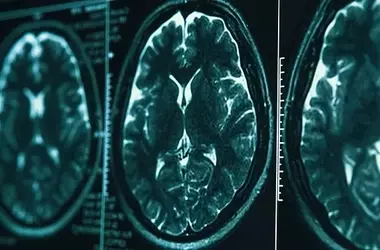
A small-scale study investigated whether the brain's cortical structure could predict how well individuals with major depressive disorder respond to the antidepressant vortioxetine. Researchers used high-resolution MRI and surface-based morphometry to examine the cortex. Findings suggest that specific features of brain regions involved in emotion regulation, planning, and visual processing, as measured before treatment, are associated with improvements in depressive and anxiety symptoms. This exploratory research points towards potential biomarkers for personalized depression treatment, though larger studies are needed to confirm these preliminary results.

Diverse Perspectives on 'Love on the Spectrum': A Reality TV Analysis
This analysis delves into critical discussions surrounding the Netflix reality series 'Love on the Spectrum,' which explores dating among autistic adults. Drawing insights from autistic individuals, journalists, and clinical professionals, the article highlights the show's departure from conventional reality TV drama, its portrayal of kindness and acceptance, and its role in challenging misconceptions about autistic people's romantic lives. It also examines debates over LGBTQ+ representation, family dynamics, the show's realism, and, most notably, the divergent views on dating coaching methods.

Understanding the Perceived Rise in Autism Diagnoses
The increasing rates of autism diagnoses over recent decades have led to public and scientific debates. This article delves into various research studies to differentiate between actual biological increases in autism incidence, improved diagnostic methods, broadened diagnostic criteria, and socio-economic factors influencing reported prevalence. It explores how these elements contribute to the observed rise, examines shifts in demographic profiles of diagnosed individuals, and discusses ongoing debates among experts regarding interpretation of these trends.

The Power of Personal Disclosure: Boosting Likability in Socially Anxious Individuals
New research suggests that sharing personal stories can significantly increase how much others like and want to interact with individuals, especially benefiting those with social anxiety. The study highlights that the listener's personality traits, such as their own social anxiety levels and need for affiliation, also play a crucial role in shaping these positive evaluations, challenging the common perception that only the speaker's behavior dictates social acceptance.

Autistic Traits and Relationship Maintenance
A recent study explores how autistic-like traits impact romantic relationship maintenance. It suggests individuals with higher autistic-like traits tend to avoid positive, affectionate behaviors, often mediated by their attachment styles rather than broad evolutionary reproductive strategies. The research, published in Evolutionary Psychology, highlights the complex interplay between personality, attachment, and relationship dynamics, offering insights into challenges faced in romantic relationships.