 Breaking News & Live Updates
- Breaking News & Live Updates
- Breaking News & Live Updates
- Breaking News & Live Updates
- Breaking News & Live Updates
- Breaking News & Live Updates
- Breaking News & Live Updates
- Breaking News & Live Updates
- Breaking News & Live Updates
- Breaking News & Live Updates
Brain Scans Uncover Tau Buildup in Late-Onset Psychosis Patients
A groundbreaking study conducted in Japan has shed new light on the potential biological underpinnings of psychosis that emerges later in life. Researchers discovered a strong association between the onset of psychotic symptoms after the age of 40 and the accumulation of amyloid-beta and tau proteins in the brain. These proteins are well-established biomarkers for Alzheimer's disease and other neurodegenerative conditions. Intriguingly, a substantial portion of the patients displayed tau protein deposits in the absence of amyloid, indicating a complex and varied set of brain changes that may contribute to late-onset psychosis. This research suggests that for some individuals, psychosis developing in middle to older age could be an early manifestation of a broader neurodegenerative process.
Protein Accumulation and Psychosis Onset
Psychotic disorders, characterized by symptoms like hallucinations and delusions, typically manifest during adolescence or early adulthood. However, in a subset of individuals, these symptoms appear for the first time after age 40, sometimes even after 60, a phenomenon referred to as late-onset psychosis. This later-onset form often presents with distinct clinical features compared to earlier-onset psychosis. For instance, older patients frequently experience prominent persecutory delusions but exhibit fewer negative symptoms, such as emotional blunting or social withdrawal, and less disorganized thinking. These observed differences have led to the hypothesis that late-onset psychosis might involve unique brain alterations.
Previous investigations, including small brain imaging studies, have identified changes in white matter, particularly in the posterior regions of the brain, and altered cerebral blood flow in some individuals with late-onset psychosis. A significant Swedish study also indicated a heightened risk of subsequent dementia in those who develop psychosis after age 60. Post-mortem brain analyses of such cases have revealed various neurodegenerative diseases, including disorders characterized by abnormal tau accumulation distinct from Alzheimer's pathology. The Japanese research team's use of florzolotau, a novel radioactive tracer, allowed for the in-vivo detection of diverse tau buildups, advancing the ability to study these pathologies in living patients. This technological advancement facilitated a more comprehensive understanding of the neural changes associated with late-onset psychosis, moving beyond the limitations of autopsy-based studies.
Investigating the Neuropathological Link
Researchers Manabu Kubota and Shin Kurose, along with their colleagues from the National Institutes for Quantum Science and Technology in Japan, utilized the florzolotau tracer to explore the brain changes underlying late-onset psychosis. Their central hypothesis was that amyloid-beta and tau protein accumulation would be more prevalent in individuals with late-onset psychosis compared to healthy older adults. The study involved 37 patients diagnosed with late-onset psychosis and 47 healthy older adults serving as a control group. The patient cohort had an average age of 70, while the healthy participants averaged 66 years old. A majority of the patients were diagnosed with either schizophrenia or delusional disorder, and none exhibited signs of cognitive impairment or neurological disease at the initial onset of their psychotic symptoms.
All participants underwent both magnetic resonance imaging (MRI) and two positron emission tomography (PET) scans. One PET scan was designed to detect amyloid-beta, while the other employed florzolotau to visualize tau. The results were striking: 35% of the patients exhibited amyloid-positivity compared to only 2% of the healthy controls, with all amyloid-positive patients having developed psychosis after age 60. Tau buildup was even more widespread, found in 65% of patients versus 15% of healthy participants. The patients could be categorized into three roughly equal groups: those with both amyloid and tau positivity (consistent with Alzheimer's), those with tau buildup but no amyloid (suggesting other tauopathies), and those with neither. These findings strongly support the notion that late-onset psychosis is often linked to diverse tau-related neurodegenerative processes, potentially representing an early stage of a dementing illness, although long-term follow-up is necessary to confirm this progression.
Other Articles
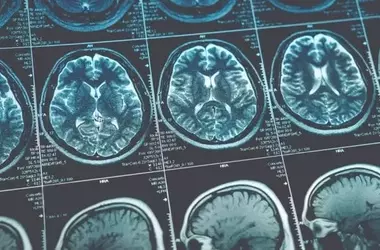
Divergent Brain Responses to Reward in ADHD and Autism Revealed by Advanced Imaging
A recent study utilizing brain scans has uncovered that individuals with Attention Deficit Hyperactivity Disorder (ADHD) and Autism Spectrum Disorder (ASD) exhibit contrasting patterns of reward processing in the brain, despite involving similar deep brain structures. ADHD is linked to heightened activity in response to immediate rewards, contributing to impulsivity, while ASD shows reduced activity, particularly concerning social rewards. These findings, published in Molecular Psychiatry, provide a neurobiological framework for understanding the distinct behavioral characteristics of each condition.

Oxytocin System and Childhood Trauma in Functional Neurological Disorder
A study explored the oxytocin system's role in Functional Neurological Disorder (FND), particularly its links to childhood trauma and interoception. While genetic variations alone didn't directly cause FND, interactions between genetics, epigenetics, and oxytocin levels showed associations with how patients process physical sensations and past trauma. The research suggests a complex interplay between biological factors and life experiences in FND development.

Salsa Dancing: A Rhythmic Remedy for Depression in Young Adults
A recent study published in "Psychological Medicine" reveals that an eight-week salsa dancing program significantly reduces depressive symptoms and social anxiety in young adults. This randomized trial, comparing a dance group to a waitlist control, highlights the potential of social movement activities as an accessible and engaging mental health intervention, especially for a demographic often underserved by traditional therapies. The findings suggest that the combination of physical activity and social interaction inherent in salsa can offer substantial benefits, including improved mood and preserved social enjoyment.

Inner Dialogue During Psilocybin Therapy Linked to Alcohol Abstinence
A new study suggests that how individuals engage with a psilocybin experience may predict their success in maintaining alcohol abstinence. Participants who focused on inner dialogue, self-reflection, and commitment to change during their psychedelic session were more likely to remain abstinent three months later, compared to those who focused on sensory and emotional experiences. This highlights the potential importance of active cognitive processing during psychedelic-assisted therapy for alcohol use disorder.

Childhood Loneliness and Social Isolation: Enduring Impacts on Young Adults
A new study reveals that loneliness experienced during childhood does not necessarily lead socially isolated youth to reconnect with others later in life. Instead, both childhood loneliness and social isolation independently predict a range of mental health and socioeconomic challenges in young adulthood. These findings challenge previous evolutionary theories suggesting that loneliness acts as an adaptive alarm, motivating individuals to improve their social connections. The research highlights the critical need for direct interventions to address loneliness and isolation in children.
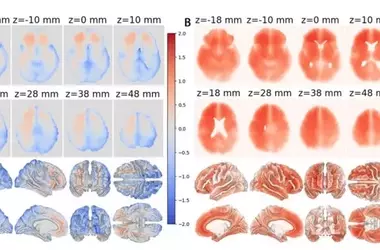
AI Reveals Asymmetric Brain Aging and Alzheimer's Markers
A new study utilizing artificial intelligence and MRI scans has revealed that the human brain ages unevenly, with the right hemisphere generally showing more advanced biological aging than the left. This research, published in PNAS, introduces a novel AI approach to map localized brain aging at a fine-grained level, identifying specific regions that exhibit accelerated aging in individuals with Alzheimer's disease and mild cognitive impairment. The findings underscore the importance of regional brain age assessment over a single global score for detecting early signs of neurodegeneration.