 Breaking News & Live Updates
- Breaking News & Live Updates
- Breaking News & Live Updates
- Breaking News & Live Updates
- Breaking News & Live Updates
- Breaking News & Live Updates
- Breaking News & Live Updates
- Breaking News & Live Updates
- Breaking News & Live Updates
- Breaking News & Live Updates
Social Media Likes: A Paradoxical Reinforcer for Depression
Conventional wisdom often suggests that individuals grappling with depression experience a diminished capacity for pleasure, a phenomenon known as anhedonia. Laboratory research typically supports this, indicating a blunted response to rewards that would normally motivate behavior. However, a recent investigation into real-world social media interactions presents a compelling paradox, revealing that for those with depressive symptoms, the affirmation received through 'likes' on platforms like Twitter can be a powerful, even amplified, driver of posting behavior. This unexpected finding challenges existing notions and highlights the intricate interplay between mental health and digital engagement.
Understanding the Unforeseen Impact of Online Affirmation on Depression
In a groundbreaking study published in JAMA Psychiatry on July 8, 2026, researchers meticulously analyzed over 17 million posts from 7,736 Twitter users. The core of their inquiry, led by Mirea et al., was to ascertain the 'reinforcement tendency' of each individual – specifically, how the receipt of 'likes' on one day influenced their posting frequency on the subsequent day. Contrary to prevailing clinical theories that posit a reduced reward sensitivity in depression, the study unveiled a striking pattern: individuals with depressive symptoms exhibited a heightened propensity to be reinforced by 'likes'. This consistent finding emerged across three distinct datasets, featuring diverse populations and varied methodologies for assessing depression, underscoring its robustness. The specificity of this effect was particularly noteworthy, as it was directly linked to depressive states rather than being a generalized psychological response seen in anxiety or compulsive behaviors. This suggests a unique mechanism through which social media feedback impacts those experiencing depression, where the desire for external validation may be amplified, even if the intrinsic pleasure derived from it remains elusive.
This fascinating discovery deepens our understanding of how individuals navigate mental health challenges in the digital age. It suggests that while the internal experience of pleasure might be dulled by depression, the external motivators, particularly social affirmation, retain or even gain significant sway over behavior. For those openly sharing their struggles online, the feedback loop created by 'likes' may unknowingly sustain their public engagement, acting as a potent, albeit complex, neurological reinforcement. This insight not only enriches the discussion around mental health and social media but also prompts further exploration into the nuanced ways digital platforms can influence well-being, urging a mindful approach to online interactions, particularly for vulnerable populations.
Other Articles
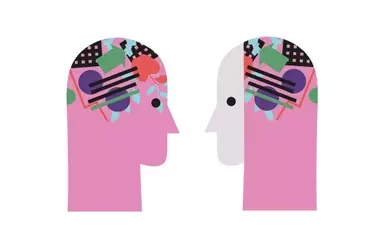
The Quest for Empathy in the Era of Artificial Intelligence
As artificial intelligence (AI) increasingly handles intimate human needs, the question of whether machines can truly provide empathy arises. While AI can generate responses that feel empathic, it lacks genuine emotional understanding. This article explores the evolving definition of empathy in the AI age, the perceived "AI advantage" in providing support, the concept of "wisdom of the crowd" explaining AI's performance, and the "AI penalty" when its source is revealed. It also addresses the risks of frictionless support and highlights how AI can potentially bolster, rather than replace, human relationships.

Exploring the Dynamics of Collective Memory: Beyond Shared Content
This article delves into the concept of collective memory, extending beyond simply what groups remember to how they organize and connect those memories. It highlights new research employing computational approaches, like representational similarity analysis and network analysis, to understand the shared organizational structures of memory. The research suggests that collaborative recall can reshape individual memories, and even global experiences can influence the collective organization of semantic knowledge, offering insights into fields beyond psychology.

Beyond Relaxation: How Travel Reshapes Your Brain and Identity
Travel does more than just offer a break from daily life; it actively reconfigures your brain and sense of self. By exposing you to novel stimuli, it awakens your brain's exploratory networks, fostering rapid learning and memory formation. Furthermore, unfamiliar environments dismantle your established routines and roles, prompting profound self-reflection and personal growth. This disruption in identity, while potentially disorienting, often leads to greater clarity and an expanded understanding of who you are, enhancing cognitive flexibility and creativity in the process.

Optimizing ADHD Medication Dosage for Efficacy and Safety
A recent comprehensive review examined 113 ADHD medication trials to pinpoint optimal dosing ranges that maximize symptom control while minimizing adverse effects in both children and adults. The study highlights that exceeding a certain dosage threshold often leads to diminishing returns in effectiveness and an increased incidence of side effects. This research underscores the importance of personalized dose titration under medical supervision to achieve the best therapeutic outcomes.

Clinical Psychology's Interdisciplinary Evolution: A Special Issue Insight
A recent special issue of *Clinical Psychological Science* highlights the increasing interdisciplinary nature of clinical psychology. Guest editors Jennifer Tackett, Alexander Shackman, and Shirley Wang present a collection of articles and commentaries showcasing powerful collaborations across fields like neuroscience, immunology, environmental health, and computer science. This issue explores new approaches to measuring and understanding mental health, emphasizing the integration of diverse perspectives to advance the field.
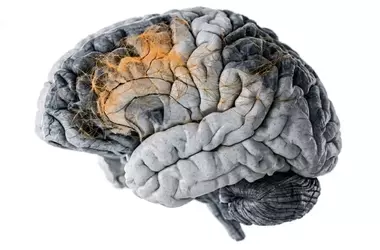
Schizophrenia's Synaptic Origins Uncovered by Advanced Brain Imaging
A groundbreaking study employing specialized PET imaging has revealed a significant, widespread reduction in synaptic density in the brains of individuals with schizophrenia. This research, one of the largest of its kind, pinpoints a distinct structural origin for the disease's progression, demonstrating that synaptic loss is not random but follows the brain's molecular architecture, particularly affecting the left frontal lobe.