 Breaking News & Live Updates
- Breaking News & Live Updates
- Breaking News & Live Updates
- Breaking News & Live Updates
- Breaking News & Live Updates
- Breaking News & Live Updates
- Breaking News & Live Updates
- Breaking News & Live Updates
- Breaking News & Live Updates
- Breaking News & Live Updates
Understanding Adolescent Nighttime Wakefulness: Beyond Biology
It's a widely acknowledged fact that as children transition into adolescence, their sleep patterns tend to shift towards later bedtimes. This behavioral change isn't merely anecdotal; it's a phenomenon with significant implications for academic achievement, emotional stability, and general well-being. Consequently, substantial research efforts have been dedicated to pinpointing the underlying causes, aiming to develop effective interventions.
The contributing factors to delayed sleep in teenagers are broadly categorized into two main groups: biological and social-behavioral. Biologically, studies spanning decades have consistently shown that the onset of puberty leads to a later secretion of melatonin, a hormone crucial for initiating sleepiness. This shift, known as circadian phase delay, effectively pushes the adolescent's internal clock forward by an hour or two. While this biological predisposition often forms the basis for advocating later school start times, the reality is more complex. Social and behavioral elements also play a significant role. As adolescents mature, staying up late often becomes a symbol of independence and increased freedom. Engagement with digital devices, including smartphones, social media, and video games, frequently extends well into the night. Additionally, the demands of extracurricular activities, homework, and early school schedules further contribute to late bedtimes.
It's important to recognize that these biological and behavioral factors don't operate in isolation; they often interact. For instance, prolonged exposure to artificial light from screens can exacerbate the natural delay in melatonin release, intensifying the circadian phase shift. Recent research, such as a study published in "Pediatrics" in 2026, has shed more light on these interactions. This study, which observed late adolescents over several months, found that while delayed sleep phase often remained consistent into early adulthood, behavioral factors, rather than biological measures like circadian thermoregulation, were more strongly linked to it. Specifically, compulsive gaming emerged as a significant predictor, with a broader range of behavioral issues suggesting an underlying lack of self-regulation as a key factor.
The insights gleaned from this research emphasize that simply adjusting school schedules might not be sufficient to resolve the issue of insufficient adolescent sleep. While biological rhythms are certainly a part of the puzzle, behavioral aspects appear to wield greater influence and, encouragingly, are often more amenable to change. For example, many regions are implementing policies to restrict smartphone use among adolescents, and parents can play a crucial role in regulating screen time and stimulating digital activities. Moreover, fostering strong sleep hygiene practices, such as consistent wind-down routines, maintaining a cool and dark sleep environment, and avoiding evening exercise, caffeine, and heavy snacks, can significantly improve sleep quality. Ultimately, achieving adequate sleep for adolescents requires a holistic approach that combines structural adjustments with the development of personal discipline and effective self-regulation strategies, much like efforts to promote healthy eating habits extend beyond simply removing unhealthy options.
Other Articles

Understanding and Addressing Post-Depression Cognitive Fog
Many individuals recovering from depression experience a persistent 'brain fog' that affects cognitive functions like memory and attention, even after mood symptoms improve. This phenomenon, which affects around 80% of people with depression, may be linked to specific serotonin receptors not targeted by conventional antidepressants. Recent research indicates that a drug typically used for constipation, prucalopride, shows promise in alleviating these cognitive deficits by acting on a distinct serotonin pathway. While not yet a treatment, this discovery offers valuable insights into the biological underpinnings of cognitive dysfunction in depression.

Understanding the False Cause Fallacy in Public Research Interpretation
This article highlights how the 'false cause fallacy' frequently distorts public understanding of research, particularly when correlation is mistaken for causation. It examines recent studies on night owls, remote workers, and 'time buyers,' showing how media often misrepresents findings. The piece stresses the importance of clear scientific communication to prevent misconceptions and biased interpretations, while still acknowledging the value of general health recommendations from these studies.

Depression: Beyond the Mind, Into the Body
A groundbreaking study analyzing over 23,000 brain scans reveals that depression's impact extends beyond traditional mood and cognitive regions, significantly affecting motor and visual areas. This research challenges long-held beliefs, suggesting that the physical symptoms of depression, like sluggishness and dulled perception, have direct neural underpinnings rather than being mere secondary effects of emotional distress. The hippocampus, previously thought to be consistently altered, showed no significant changes in this large-scale analysis, prompting a reevaluation of depression's neurobiological profile.

The Growth Potential of Singlehood: Beyond Societal Norms
This article explores how viewing singlehood as an opportunity for personal development can lead to greater well-being, challenging the common perception of being unattached as a deficit state. It delves into the self-expansion theory, traditionally linked to romantic relationships, and reveals how novel experiences, both social and solitary, contribute to self-growth among single individuals, backed by new research findings.
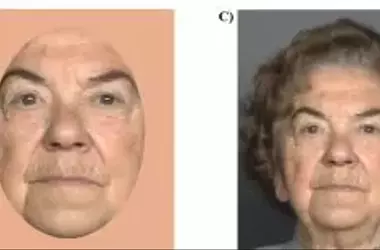
Facial Perception: The Impact of Contrast on Perceived Skin Evenness
A new study reveals that the perceived evenness of facial skin is significantly influenced by the contrast created by surrounding elements like background color and hair. This research suggests that high contrast can enhance the perception of smoother skin, offering insights into why certain clothing and hair styles are considered more attractive.

Children's Perception of AI: Understanding the Young Mind's View of Artificial Intelligence
A recent study explored how fourth and eighth-grade students perceive artificial intelligence, revealing age and gender-based differences. Older students conceptualize AI more abstractly, while younger ones associate it with tangible devices. Girls tend to view AI as more emotional and social, often comparing it to a friend, whereas boys focus on its technical and instrumental aspects. The research emphasizes the growing presence of AI in children's lives and the need for parental guidance to ensure its productive and age-appropriate use.