 Breaking News & Live Updates
- Breaking News & Live Updates
- Breaking News & Live Updates
- Breaking News & Live Updates
- Breaking News & Live Updates
- Breaking News & Live Updates
- Breaking News & Live Updates
- Breaking News & Live Updates
- Breaking News & Live Updates
- Breaking News & Live Updates
The Growth Potential of Singlehood: Beyond Societal Norms
Conventional societal views often frame singlehood as a temporary condition awaiting resolution, a period marked by absence rather than presence. However, recent psychological research suggests a different perspective: for many individuals, being unattached presents a valid and empirically supported path to personal development. This emerging understanding reframes single life not as a void to be filled, but as a fertile ground for self-exploration and expansion, directly challenging long-held cultural narratives.
Understanding how people perceive their unattached status is crucial for predicting their experience of it. The self-expansion theory, which posits that individuals naturally seek to broaden their sense of self through new experiences and perspectives, traditionally centered on romantic partnerships. Nevertheless, new evidence highlights that single individuals who embrace their status as a chance for self-betterment often report reduced anxiety about being alone and higher overall contentment with their lives. This growth isn't exclusively social; a notable portion of these enriching moments also occurs in isolation, underscoring the intrinsic value of solitary reflection and engagement.
Embracing the Unattached Lifestyle for Personal Enrichment
Historically, remaining unattached has been culturally depicted as an incomplete state, implying that one is simply awaiting a partner to achieve wholeness. This perspective often overlooks the profound opportunities for individual growth inherent in a single lifestyle. Recent academic studies, however, are challenging this narrow view by demonstrating that perceiving singlehood as a period ripe with potential for personal advancement significantly correlates with enhanced psychological well-being and reduced fear of being alone. This shift in mindset transforms single life from a perceived waiting game into an active journey of self-discovery and fulfillment.
The self-expansion theory posits a fundamental human drive to enlarge one's self-concept, typically through integrating diverse experiences and perspectives. While this concept has predominantly been applied to romantic relationships—where partners contribute to each other's personal growth—contemporary research extends this framework to single individuals. The findings indicate that those who believe singlehood can foster personal development not only report greater life satisfaction and less anxiety about their status but also actively engage in more self-expanding activities. These actions, ranging from pursuing new hobbies to traveling, are key drivers of personal growth, validating the idea that a fulfilling life doesn't necessarily depend on being in a relationship.
The Dual Paths to Self-Expansion: Social Bonds and Solitary Moments
Contrary to the 'lone wolf' stereotype often associated with being single, a significant majority—around 82 percent—of self-expanding experiences reported by single individuals occur within social contexts. These interactions typically involve friends and family, highlighting the crucial role of platonic relationships in personal growth. Activities such as participating in team sports, attending concerts, sharing meals, or embarking on joint travels serve as rich sources of novel experiences and shared learning, mirroring the psychological benefits traditionally attributed to romantic partnerships. This underscores that while the catalysts may differ, the fundamental mechanism of self-expansion through connection remains consistent across various forms of relationships.
While social connections are vital, the remaining 18 percent of self-expanding moments unfold in solitude, offering a compelling argument for the inherent value of individual time. These solitary experiences, whether it's delving into a new book, exploring a personal passion, or simply engaging in quiet reflection, provide unique avenues for introspection and skill development that contribute significantly to a broader sense of self. This balance between engaging with others and embracing moments of solitude suggests that both social integration and individual autonomy are crucial components of a holistic self-expansion journey for single individuals, allowing them to cultivate personal richness and resilience irrespective of their relationship status.
Other Articles
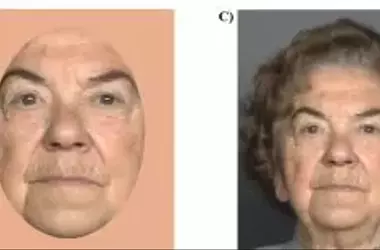
Facial Perception: The Impact of Contrast on Perceived Skin Evenness
A new study reveals that the perceived evenness of facial skin is significantly influenced by the contrast created by surrounding elements like background color and hair. This research suggests that high contrast can enhance the perception of smoother skin, offering insights into why certain clothing and hair styles are considered more attractive.

Children's Perception of AI: Understanding the Young Mind's View of Artificial Intelligence
A recent study explored how fourth and eighth-grade students perceive artificial intelligence, revealing age and gender-based differences. Older students conceptualize AI more abstractly, while younger ones associate it with tangible devices. Girls tend to view AI as more emotional and social, often comparing it to a friend, whereas boys focus on its technical and instrumental aspects. The research emphasizes the growing presence of AI in children's lives and the need for parental guidance to ensure its productive and age-appropriate use.

Innovations in Psychological Science Education and Therapeutic Training
The APS Fund for Teaching and Public Understanding of Psychological Science is supporting three new initiatives by psychology professors. These projects aim to advance the understanding of memory science, equip undergraduates with skills in clinical interventions, and introduce a reflective framework for youth therapy. These efforts seek to broaden access to psychological science, particularly in underserved regions, and improve the delivery of mental health services through innovative educational and training methodologies.

New Insights from Current Directions in Psychological Science
This compilation from Current Directions in Psychological Science features several new articles exploring diverse aspects of human cognition and behavior. Topics include the generative nature of human thought and its implications for cognitive modeling, the development of place-value understanding in children, the intricate dynamics of collective memory, the potential for long-term human-AI partnerships, responses to ambiguity, the integration of explanation and prediction in behavioral science, a culture-first approach to early learning, the social perception of intellectual humility, the racial position model, and the evaluation of abstraction and analogy in AI.
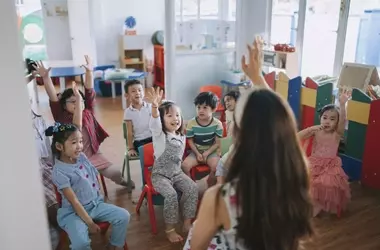
Challenging the Notion of Overconfidence as a Learning Aid in Children
New research suggests that the perceived benefits of overconfidence in children's learning may be a statistical artifact rather than a genuine advantage. A study by Beijing Normal University found that previous findings could be attributed to grouping methods and regression to the mean, with experimental manipulation of confidence showing no direct impact on performance improvements. This challenges the long-held belief that inflated confidence inherently promotes better learning outcomes.

The Gut-Brain Connection: Metabolites as Key Players in Depression
Major depressive disorder (MDD) is a leading cause of disability worldwide, with diverse contributing factors. Recent research highlights the significant role of gut microbes and their byproducts, known as metabolites, in influencing mental health. While studies on gut-brain interactions often involve mice, the core finding is that microbial metabolites, rather than the microbes themselves, appear to be crucial in shaping mood and could offer new avenues for MDD therapies. Understanding this intricate relationship could pave the way for novel dietary and lifestyle interventions.