 Breaking News & Live Updates
- Breaking News & Live Updates
- Breaking News & Live Updates
- Breaking News & Live Updates
- Breaking News & Live Updates
- Breaking News & Live Updates
- Breaking News & Live Updates
- Breaking News & Live Updates
- Breaking News & Live Updates
- Breaking News & Live Updates
Immune Protein Provides Brain Protection Against Depression and PTSD After TBI
New research indicates that a naturally occurring immune protein, the anti-NMDAR1 antibody, may offer significant protection to the brain against the onset of depression and post-traumatic stress disorder (PTSD) following a traumatic brain injury (TBI). This finding could revolutionize how medical professionals identify individuals at risk after a TBI and develop new interventions for TBI-related mental health challenges.
Immune System's Role in Brain Health Unveiled: A Breakthrough in TBI Recovery
In a groundbreaking investigation led by scientists at the University of California San Diego School of Medicine and the Veterans Affairs San Diego Healthcare System, a novel insight into the brain's resilience after traumatic injury has emerged. The study, published on September 15, 2026, in Molecular Psychiatry, pinpoints a specific immune system protein, the anti-NMDAR1 antibody, as a critical factor in safeguarding individuals against the debilitating effects of depression and PTSD following a traumatic brain injury (TBI).
Annually, an estimated 20 million people globally experience a concussion or other forms of TBI, significantly elevating their susceptibility to developing psychiatric conditions such as depression, anxiety, and PTSD. However, the intriguing observation that not all TBI survivors succumb to these mental health issues prompted researchers to explore underlying biological mechanisms.
The study meticulously analyzed blood samples and psychiatric evaluations from 1,025 active-duty U.S. Marines, collected both before and after a seven-month deployment to Afghanistan between 2011 and 2013. The findings were compelling: Marines with higher baseline levels of the naturally occurring anti-NMDAR1 antibody exhibited a notably reduced risk of developing depressive symptoms (25% lower) and PTSD symptoms (22% lower) post-deployment, especially among those with a history of TBI, compared to their counterparts with lower antibody levels.
Furthermore, these individuals were less likely to report moderate-to-severe depression and utilized fewer psychiatric medications upon returning from deployment. The study also highlighted the long-term stability of these antibodies in the bloodstream, remaining detectable for over a year, suggesting that their presence reflects a durable biological trait rather than a transient acute response.
Interestingly, while offering protection against depression and PTSD, anti-NMDAR1 levels showed no association with generalized anxiety symptoms, indicating a symptom-specific protective mechanism. This research builds upon the Marine Resiliency Study II, an extensive project dedicated to understanding factors influencing resilience to PTSD.
Dr. Victoria B. Risbrough, co-senior author and professor at UC San Diego School of Medicine, expressed enthusiasm about the discovery: “Identifying a naturally-occurring immune marker that acts as an inherent protective factor against some of the most profound consequences of brain injury is incredibly exciting. Deciphering the mechanism of these antibodies could lead to new ways to identify at-risk individuals and develop novel interventions.”
A key hypothesis proposed by the research team centers on the size and type of the anti-NMDAR1 antibodies. They suggest that the protective antibodies found in the Marines are primarily of the IgM type, which are too large to access the synaptic clefts—the tiny spaces between brain cells where signals are typically transmitted. Instead, these larger IgM antibodies are believed to bind to extrasynaptic NMDA receptors, which are crucial mediators of brain damage after TBI. By blocking these outer receptors, IgM antibodies may effectively shield the brain from excitotoxic injury, much like a long-acting form of ketamine, which also targets NMDA receptors.
In contrast, previous research by the team involving smaller IgG versions of anti-NMDAR1 antibodies in mice showed impaired cognitive function, mimicking symptoms of anti-NMDAR encephalitis. This distinction underscores the importance of antibody size in determining pathological versus protective roles within the brain.
While acknowledging the correlational nature of these findings, Dr. Xianjin Zhou, co-senior author and associate professor of psychiatry, emphasized the potential: “Our preclinical experiments confirmed that smaller IgG antibodies disrupt memory, while larger IgM antibodies appear to preserve it. This size-dependent functional divergence is a critical insight.”
The study, funded by the National Institutes of Health and the U.S. Department of Veterans Affairs, paves the way for future research to confirm the neuroprotective role of natural anti-NMDAR1 antibodies and explore their potential application across diverse populations.
This pioneering research opens a promising avenue for understanding brain resilience and developing innovative treatments for the neurological and psychiatric aftermath of traumatic brain injuries. The differentiation between protective IgM and pathological IgG antibodies highlights the complexity of the immune system's interaction with the brain and offers a sophisticated target for therapeutic development. It suggests a future where biomarkers could predict vulnerability to psychiatric conditions after TBI, allowing for proactive interventions and personalized medicine approaches. The implications extend beyond TBI, potentially informing our understanding of other neurological disorders involving NMDA receptor function.
Other Articles
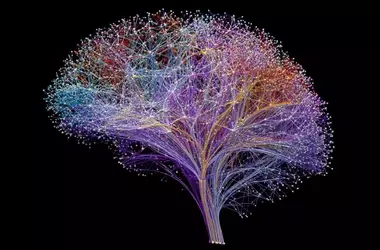
Mapping 54,583 Brain Connectomes for Disease Detection
Researchers have developed an extensive reference model of the human brain by analyzing 54,583 diffusion MRI scans from 19 international datasets. This groundbreaking study establishes lifelong “growth and decline charts” for the brain's white matter, akin to pediatric growth charts. The publicly available tool enables clinicians to identify structural deviations linked to aging, Alzheimer’s disease, and schizophrenia risk by tracking water molecule movement along neural pathways. This personalized approach to brain health offers a new diagnostic method and aids in evaluating treatment efficacy for various neurological conditions.

Understanding Voices: A Compassionate Approach to Auditory Hallucinations and Suicidal Ideation
Researchers from the University of Birmingham and Mind in Camden have introduced new clinical resources, including a guide and documentary, advocating for a more compassionate approach to individuals experiencing auditory hallucinations, especially those linked to suicidal thoughts. The project emphasizes that hearing voices can be an adaptive coping mechanism for severe psychological distress. It critiques current practices that often erode trust and intensify distress through coercive interventions, calling for a paradigm shift towards collaborative listening, respect for patient agency, and epistemic justice.

Psychedelic Therapy Shows High Efficacy in PTSD Remission for Veterans
A groundbreaking U.S. clinical trial demonstrates the significant potential of psilocybin-assisted therapy for military veterans suffering from treatment-resistant PTSD. The 11-week protocol, combining psychotherapy with two psilocybin dosing sessions, resulted in a remarkable 75% remission rate one month post-treatment. Crucially, the therapy proved safe, with no serious adverse events, suggesting a promising new avenue for addressing this debilitating condition.

Consistent Routines: A Shield Against Pain and Depression
A recent study highlights the profound impact of consistent daily routines on reducing physical pain and alleviating depressive symptoms, particularly in older adults experiencing insomnia. By synchronizing the body's circadian rhythm, regular schedules for waking, eating, and social interactions offer a simple yet powerful strategy for enhancing overall well-being, irrespective of sleep quality.
Schizophrenia Risk Gene Linked to Hyper-Excitable Neurons
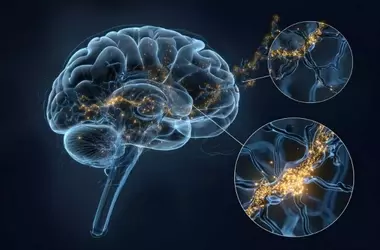
Researchers at King's College London have uncovered how a schizophrenia-associated gene, ZNF804A, impacts developing human cortical neurons. This study, published in Science Advances, reveals ZNF804A's peak activity during the second trimester of neurodevelopment, specifically in glutamaterergic neurons. Using CRISPR-Cas9, scientists found that suppressing ZNF804A leads to abnormally accelerated localized protein translation and hyper-excitable synaptic signaling. This breakthrough bridges the gap between genetic risk factors and the neurobiological pathways of schizophrenia, offering crucial insights for future treatments.

Open Dialogue Approach Reduces Psychiatric Hospital Use
A new study reveals that Open Dialogue, a non-medical mental health treatment, significantly reduces psychiatric hospital admissions and improves patient satisfaction. This approach, which emphasizes relationships and shared decision-making, offers a promising alternative to traditional crisis care by involving patients' social networks throughout the treatment process. While not improving time to relapse, it led to better recovery and quality of life.