 Breaking News & Live Updates
- Breaking News & Live Updates
- Breaking News & Live Updates
- Breaking News & Live Updates
- Breaking News & Live Updates
- Breaking News & Live Updates
- Breaking News & Live Updates
- Breaking News & Live Updates
- Breaking News & Live Updates
- Breaking News & Live Updates
Psychedelic Therapy Shows High Efficacy in PTSD Remission for Veterans
This pilot study marks a pivotal moment in mental health treatment, demonstrating that psilocybin-assisted therapy can lead to substantial remission rates for veterans battling severe, treatment-resistant post-traumatic stress disorder. The structured approach, integrating psychotherapy with carefully administered psychedelic doses, highlights a safe and effective pathway that could transform the lives of those for whom conventional treatments have failed.
Breakthrough in PTSD Treatment: Psilocybin Therapy Achieves Remarkable Remission Rates in U.S. Veterans
In a pioneering clinical trial conducted in the United States, researchers have unveiled compelling evidence supporting the safety and efficacy of psilocybin-assisted therapy for military veterans grappling with intractable Post-Traumatic Stress Disorder (PTSD). The study, led by the Ohio State University, indicates a significant therapeutic breakthrough, with 75% of participants achieving full remission from PTSD symptoms just one month following treatment completion.
The comprehensive 11-week treatment regimen involved an intricate blend of 14 to 16 hours of preparatory and integration psychotherapy, meticulously interwoven with two sessions of synthetic psilocybin administration. The psilocybin doses, precisely calibrated at 15 mg and 25 mg, were instrumental in facilitating deep therapeutic processing. Remarkably, the trial observed an average reduction of 27.5 points in clinician-rated PTSD symptom severity among participants.
A critical finding from the study is the therapy's commendable safety profile. No severe adverse events were reported, and there was no discernible increase in suicidal ideation among the veterans, a population often at heightened risk. The most frequently noted transient side effect was mild headaches post-dosing, further underscoring the treatment's tolerability.
Stacey Armstrong, a senior researcher at the Center for Psychedelic Drug Research and Education (CPDRE) and first author of the study published in Communications Medicine on July 30, 2026, emphasized the profound implications of these results. "For individuals suffering from severe, treatment-resistant PTSD, these outcomes are extraordinary," Armstrong stated, highlighting the unmet need for effective solutions among veterans. The research team posits that psilocybin functions as a powerful pharmacological catalyst, accelerating and deepening the psychotherapeutic process, thereby enabling sustained therapeutic gains.
Zachariah Collett, a U.S. Army veteran from Washington Court House, Ohio, shared his transformative journey as a participant. Having endured years of debilitating PTSD symptoms, including chronic nightmares, irritability, and pervasive anger, Collett found little relief from traditional therapies. After his psilocybin-assisted treatment three years prior, he describes a profound shift, experiencing newfound peace, stillness, and the ability to process past traumas in a constructive manner. His experience vividly illustrates the potential for long-term positive change.
The study’s design also sheds light on the synergistic relationship between psychotherapy and psilocybin. Early data indicated a measurable decrease in PTSD symptoms during the preparatory therapy phase, with a dramatic acceleration in symptom reduction following psilocybin administration. This suggests that while therapy lays crucial groundwork, the psychedelic compound significantly enhances the brain's receptivity to therapeutic insights and emotional processing. Alan Davis, the study's senior author and Director of CPDRE, underscored this dynamic: "The drug acts as a catalyst, opening a window for individuals to access emotional depths previously unreachable, which then fuels the therapeutic process."
Supported by Ohio State’s College of Social Work and other institutions, this pilot trial sets the stage for future larger-scale, randomized controlled studies. The research team, acknowledging the inherent limitations of pilot studies, is actively seeking funding to further explore the treatment's long-term effectiveness, including its impact on sleep disorders, substance use, and biological markers of healing.
The work of researchers like Davis, who has dedicated over 16 years to studying psychedelics in mental health, suggests a promising new frontier in psychiatry. This approach offers hope to countless individuals who have exhausted conventional treatment options, paving the way for a more integrated and effective model of care for complex conditions like PTSD.
This pioneering research opens a vital dialogue about the future of mental health care, particularly for our veterans who have endured immeasurable sacrifices. The remarkable success rates observed in this trial compel us to reconsider and expand the therapeutic toolkit for treatment-resistant PTSD. It underscores the potential of integrating psychedelic-assisted therapies, not as a standalone cure, but as a potent enhancer for established psychotherapeutic practices. This study challenges us to embrace innovative, evidence-based approaches, moving beyond traditional paradigms to offer genuine relief and a path to healing for those who need it most. It’s a powerful reminder that continuous exploration and open-mindedness in scientific inquiry are paramount to addressing complex human suffering.
Other Articles

Consistent Routines: A Shield Against Pain and Depression
A recent study highlights the profound impact of consistent daily routines on reducing physical pain and alleviating depressive symptoms, particularly in older adults experiencing insomnia. By synchronizing the body's circadian rhythm, regular schedules for waking, eating, and social interactions offer a simple yet powerful strategy for enhancing overall well-being, irrespective of sleep quality.
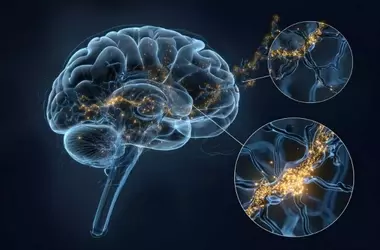
Schizophrenia Risk Gene Linked to Hyper-Excitable Neurons
Researchers at King's College London have uncovered how a schizophrenia-associated gene, ZNF804A, impacts developing human cortical neurons. This study, published in Science Advances, reveals ZNF804A's peak activity during the second trimester of neurodevelopment, specifically in glutamaterergic neurons. Using CRISPR-Cas9, scientists found that suppressing ZNF804A leads to abnormally accelerated localized protein translation and hyper-excitable synaptic signaling. This breakthrough bridges the gap between genetic risk factors and the neurobiological pathways of schizophrenia, offering crucial insights for future treatments.

Open Dialogue Approach Reduces Psychiatric Hospital Use
A new study reveals that Open Dialogue, a non-medical mental health treatment, significantly reduces psychiatric hospital admissions and improves patient satisfaction. This approach, which emphasizes relationships and shared decision-making, offers a promising alternative to traditional crisis care by involving patients' social networks throughout the treatment process. While not improving time to relapse, it led to better recovery and quality of life.

The Perils of Psychiatric Labels: Misdiagnosis, 'Sticky' Diagnoses, and Overlooking Physical Illness
New research highlights significant concerns within psychiatric diagnosis, exploring how childhood autism and ADHD labels can persist into adulthood even when criteria are no longer met. The validity of current ADHD diagnostic criteria is questioned due to vagueness and arbitrary thresholds. Furthermore, two case studies illustrate the danger of diagnostic overshadowing, where psychiatric diagnoses can lead to physical symptoms being misinterpreted and underlying medical conditions being left untreated, emphasizing the need for comprehensive evaluation.
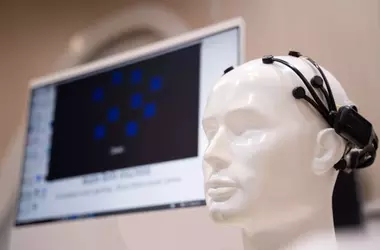
Scrutiny Over New PTSD Device Authorization and Public Information Access
The FDA has granted marketing authorization for Modius Spero, a new neuromodulation device for PTSD, despite the absence of public data from its clinical trials. Media outlets have largely echoed the company's press release without critical examination of efficacy or potential side effects, raising concerns about informed decision-making for both medical professionals and patients.

Beyond the Clinic: The Transformative Power of Peer-Led Recovery in Addiction
This article explores the limitations of traditional addiction treatment models, which often measure success by program completion rather than long-term sobriety. Drawing on personal experience, the author advocates for peer-led recovery housing as a more effective approach. These environments foster real-world accountability and provide practical tools for navigating everyday life challenges, offering a sustainable path to recovery that clinical settings often miss.