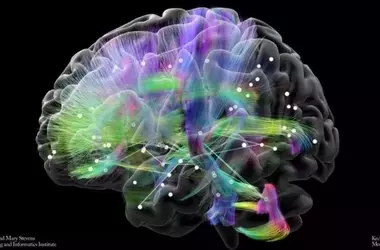
A recent study highlights the crucial role of prenatal vitamin C supplementation in safeguarding infants from developing negative emotional traits. Researchers observed that adequate vitamin C intake during pregnancy can act as a protective measure, buffering the fetal brain against the detrimental effects of maternal stress. This finding offers a promising and accessible intervention to foster healthier emotional development in early infancy.
The study, conducted by researchers at Oregon Health & Science University (OHSU) and published in "Developmental Psychology," involved a comprehensive evaluation of over 300 mother-infant dyads. The team discovered a significant correlation: mothers experiencing high levels of prenatal psychological stress often exhibited lower dietary vitamin C intake. This deficiency, in turn, was a strong predictor of elevated negative emotionality in their infants at six months of age, manifesting as increased fussiness and general distress. Importantly, the research demonstrated that supplementary vitamin C effectively mediated this risk, suggesting its potential as a straightforward nutritional intervention to support optimal fetal brain development.
Key findings from the research underscore several critical points. Firstly, there's a clear link between stress and nutrient depletion, with high maternal psychological stress during pregnancy directly correlating with reduced dietary vitamin C intake. This is particularly concerning given that approximately 25% of pregnant women in the United States already consume less than the recommended daily amount. Secondly, the offspring of mothers who experienced significant prenatal stress and had low vitamin C intake showed markedly higher rates of negative emotional reactivity and distress at six months. This early behavioral marker is a known indicator of increased risk for later psychiatric disorders. Lastly, and most encouragingly, daily supplemental vitamin C intake during pregnancy served as a statistically significant mediator, effectively lessening the impact of maternal stress on the infant's temperament and emotional regulation.
The scientists emphasized that a mother's physiological and psychological condition throughout pregnancy profoundly influences the intrauterine environment. While the impact of prenatal conditions on cardiometabolic health is well-established, emerging neurodevelopmental biology reveals an equally powerful influence of maternal stress and nutrition on the formation of the embryonic and fetal brain. Maternal prenatal stress often exacerbates nutritional challenges, increasing metabolic demands and contributing to deficiencies in essential micronutrients like vitamin C. This vitamin is vital for its antioxidant and neuromodulatory properties, supporting crucial processes such as neurogenesis, collagen synthesis in cerebral vasculature, and catecholamine regulation. Despite its biological importance, a substantial portion of pregnant women, especially those facing socioeconomic and food insecurity challenges, do not meet the recommended dietary intake.
This groundbreaking investigation suggests that targeted nutritional support can counteract vulnerabilities in neurodevelopment caused by stress. The OHSU clinician-researchers' work specifically highlights how vitamin C supplementation during pregnancy can protect infant socioemotional health. The study design involved profiling maternal psychiatric health, tracking both dietary and supplemental vitamin C intake, and assessing infant temperament at six months. The results consistently pointed to a pathway where high maternal psychological stress led to lower dietary vitamin C, which subsequently predicted heightened negative emotionality in infants, characterized by irritability and frequent crying. This early negative emotionality is a recognized behavioral marker for future anxiety and depressive disorders.
The clinical implications of these findings are substantial. Supplemental vitamin C intake emerged as a crucial protective factor. For mothers experiencing high prenatal stress, consistent supplementation mitigated negative emotional outcomes in their infants, effectively neutralizing the developmental disadvantages seen in unsupplemented groups. Lead author Elizabeth Wood noted that while the intrauterine environment is known to shape cardiometabolic health, its influence on brain development and infant behavioral health is becoming increasingly clear. Senior author Elinor Sullivan highlighted the practicality of the findings, stressing that nutrition is a modifiable factor, especially with adequate support. Vitamin C supplements are affordable, readily available, and easy to incorporate daily, potentially making a significant positive impact on children and families.
Given that fresh, vitamin-rich produce is often inaccessible to low-income and rural families, the discovery that over-the-counter supplementation offers protective neurodevelopmental effects provides a scalable solution for clinical intervention. OHSU clinicians are integrating these insights into maternal care, using frameworks like "My Pregnancy Plate" and personalized nutritional counseling. Additionally, programs like Nourish at OHSU Doernbecher Children's Hospital partner with community services to provide nutrient-dense foods to families experiencing food insecurity. The research team plans to continue following this cohort to determine if prenatal vitamin C supplementation offers long-term benefits in mitigating psychiatric risks and cognitive deficits through childhood.