Unlocking the Secrets of Brain Aging Through the Power of Voice
The Promise of Speech as a Biological Aging Indicator
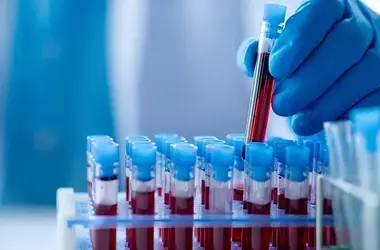
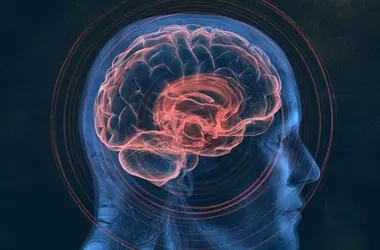
Scientists are increasingly utilizing "biological aging clocks" – statistical models that interpret physical or behavioral data to forecast a person's age. The discrepancy between this predicted age and actual chronological age, known as an age gap, provides insights into accelerated or delayed aging. Traditionally, these clocks rely on expensive and intricate methods like magnetic resonance imaging (MRI) to gauge brain tissue volume or blood tests to analyze DNA modifications. However, natural speech presents a cost-effective and non-invasive alternative for observing how the brain and body evolve with age. The intricate process of speaking demands the rapid coordination of numerous cognitive and physical systems, which undergo alterations during normal aging and deteriorate more rapidly with neurodegenerative conditions.
The Multifaceted Linguistic Cues to Brain Aging
Various aspects of speech can act as indicators of brain health. A slower speaking pace and extended pauses may signal declines in mental processing speed and word recall. Changes in vocal pitch and emotional tone can reflect the blunted emotional expression frequently observed in dementia. Shifts in vocabulary, such as an increased reliance on concrete terms over abstract ideas, indicate an erosion of semantic memory, which is the brain's repository for general knowledge. These linguistic nuances collectively paint a picture of an individual's cognitive state and the progression of neurological aging.
Groundbreaking Research in Latin America: A New Horizon for Dementia Detection
Led by Hernan Hernandez and senior authors Agustin Ibanez and Adolfo M. García, this study aimed to determine if variations between chronological age and speech-predicted age could differentiate types of dementia and reflect internal biological aging. The research team sought to develop accessible aging clocks, recognizing the cost and logistical challenges of existing biomarkers, especially in resource-limited settings. They investigated whether natural speech could provide a low-cost, non-invasive metric to simultaneously capture multiple dimensions of aging. The study analyzed data from nearly 3,000 native Spanish speakers across five Latin American countries, including cognitively healthy individuals and patients diagnosed with various neurodegenerative conditions, such as mild cognitive impairment, Alzheimer's disease, and frontotemporal dementia.
The Methodology: Capturing and Analyzing Speech for Age Prediction
Each participant engaged in seven brief speaking tasks in a controlled environment, including describing a video, retelling a story, and word generation exercises. These audio recordings were processed using TELL, an automated speech-analysis application, to remove background noise, isolate the participant's voice, and generate text transcripts. From these recordings, over 700 distinct acoustic and linguistic measurements were extracted and categorized into seven groups: speech timing, vocal pitch, emotional content, word frequency, verbosity, semantic concreteness, and semantic granularity. A machine learning model was then trained on these speech categories to predict chronological age, and the difference between predicted and actual age was calculated as the speech age gap. Verbosity and speech timing were identified as key features for younger-sounding speech, while vocal pitch variations and negative emotional content indicated accelerated speech aging.
Unveiling the Diagnostic Power of Speech Age Gaps
The study found that cognitively healthy adults exhibited the smallest speech age gaps, while all patient groups showed larger gaps, indicating older-sounding speech. Patients with language-dominant frontotemporal dementia displayed the largest speech age gaps, followed by those with behavioral or motor frontotemporal dementia, and then individuals with Alzheimer's disease and mild cognitive impairment. These differences remained significant even after controlling for various demographic and health factors. The comprehensive speech clock proved more effective at differentiating diagnostic groups than any single acoustic or language category, underscoring that aging leaves a broad linguistic signature across multiple speech dimensions.
Connecting Speech to Cognition, Biomarkers, and Life Experiences
Further analysis revealed that larger speech age gaps were linked to poorer performance on clinical tests assessing memory, executive function, and daily functional ability, especially those with verbal components. In a subset of participants, higher speech age gaps correlated with elevated blood plasma levels of phosphorylated tau-217, an Alzheimer's-related protein, particularly in Alzheimer's patients. Intriguingly, higher speech age gaps were also associated with a more adverse "social exposome," a measure of lifetime socioeconomic factors and adversities, suggesting that cumulative social hardship can manifest in an individual's speech patterns. This reinforces previous findings that social adversity impacts brain aging.
Speech Age Gaps: A Mirror to Brain and Biological Aging
To confirm the speech clock's reflection of internal biological aging, researchers compared speech age gaps with established brain and epigenetic clocks. Speech age gaps showed moderate-to-strong positive correlations with brain age gaps derived from structural and functional MRI scans across all groups. Furthermore, larger speech age gaps were positively associated with accelerated biological aging measured by three independent epigenetic clocks analyzing DNA methylation patterns in white blood cells, particularly in healthy adults and Alzheimer's patients. These findings suggest that speech offers a window into broader brain and biological health, reflecting the coordinated state of distributed brain systems rather than just isolated language circuits.
Expert Perspectives and Study Limitations
An independent assessment by Mai-Carmen Requena-Komuro praised the study's scale and its ability to distinguish healthy elderly individuals from those with dementia using speech age gaps. However, she noted certain caveats, such as the Mini-Mental State Examination (MMSE) cutoff score for healthy controls, which might have included individuals with mild cognitive impairment. Requena-Komuro also cautioned against overinterpreting speech age gaps as a singular marker of degraded speech, emphasizing that correlation does not equate to causation and that individual variability in neurodegenerative conditions is substantial. She stressed that speech age gaps, while informative, should not replace standard cognitive and neuropsychological tests for dementia diagnosis or progression monitoring.
Future Directions: Expanding the Reach and Impact of Speech Analysis
The study's authors underscore that the speech clock complements existing evaluations rather than serving as a standalone diagnostic tool. Given that the research was conducted exclusively with Spanish speakers in Latin America using structured tasks, further testing is required to apply the speech clock to other languages or casual conversations. Future longitudinal studies involving diverse, multilingual populations are crucial to determine if automated voice analysis can become a routine screening tool in clinical and public health settings. The research team plans to investigate how lifestyle and clinical interventions might influence vocal aging markers and how these tools can enhance dementia research in regions with limited medical infrastructure, aiming to validate these models across various languages, cultures, and naturalistic speech contexts.