A comprehensive nationwide study has unveiled a concerning correlation between expectant mothers' exposure to wildfire smoke and an increased risk of their children developing autism spectrum disorder. The findings emphasize that fine particulate matter (PM2.5) from these environmental events, especially during crucial stages of pregnancy, may significantly influence neurodevelopmental outcomes. This research underscores the escalating public health challenge posed by wildfires and the critical need for effective strategies to shield pregnant individuals from airborne pollutants.
The study, published in JAMA Pediatrics, involved an extensive analysis of nearly 900,000 births across the United States. Researchers discovered that exposure to microscopic soot and ash from wildfires during the middle and later stages of pregnancy was associated with a notable increase in the risk of an autism diagnosis. While a clear link to attention-deficit/hyperactivity disorder (ADHD) was not established, the results for autism suggest a significant environmental factor impacting early brain development. With the rising frequency and intensity of wildfires globally, these findings highlight the urgent necessity for public health interventions aimed at minimizing prenatal exposure to smoke.
Wildfire Smoke's Impact on Fetal Brain Development
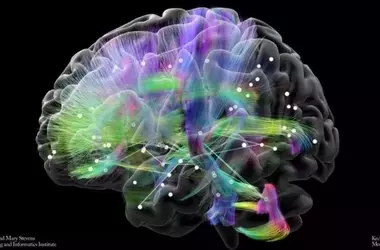
The study highlights how microscopic particles from wildfire smoke, known as PM2.5, can deeply penetrate the lungs and enter the bloodstream of pregnant women. These pollutants may influence fetal development by crossing the placental barrier, potentially triggering brain inflammation and oxidative stress. This imbalance can disrupt the normal growth and function of neurons and supporting cells, leading to altered brain development. Researchers found that an increase in cumulative wildfire particulate matter during pregnancy was linked to a 30% rise in the relative risk of an autism diagnosis, with the strongest associations observed during mid-to-late gestation, a critical period for neural circuit maturation.
Wildfire smoke is a complex blend of gases and fine particulate matter, which, due to its minute size, can bypass the body's natural defenses and reach the deepest parts of the lungs. Once inhaled by a pregnant woman, these particles can cross the placenta, potentially causing inflammation and oxidative stress in the developing fetus. Oxidative stress, an imbalance between cell-damaging molecules and the body's antioxidant defenses, can disrupt critical processes such as neuronal growth and the formation of neural connections. The study found a significant statistical association between higher prenatal exposure to wildfire-specific PM2.5 and an elevated risk of autism spectrum disorder, with this link being particularly pronounced during the second and third trimesters when fetal brain development is most rapid. This suggests that the timing of exposure during pregnancy plays a crucial role in determining neurodevelopmental outcomes, reinforcing the need for protective measures throughout gestation.
Implications for Public Health and Future Research
The study's findings underscore the broad public health implications of wildfire smoke exposure, extending beyond immediate fire zones due to long-distance smoke transport. It emphasizes the need for comprehensive public health responses that focus on clean indoor air and accessible information for all families, especially those in vulnerable populations like Medicaid beneficiaries. Researchers advocate for continued investigation into how environmental and social factors interact to shape susceptibility, aiming to identify effective prevention strategies and support systems for pregnant individuals and their children.
This national study, leveraging the U.S. Medicaid Analytic Extract database, provides critical insights into the widespread impact of wildfire smoke on neurodevelopment. The lead author, Stefania Papatheodorou, stressed that the association with autism was evident across a national cohort, not just in areas proximate to major wildfires, highlighting the importance of considering transported smoke and cumulative exposure. While the study established a significant association, it does not definitively prove causation. Future research is crucial to confirm these findings, delve into the specific biological pathways involved, and explore how associations might differ across autism subtypes and other neurodevelopmental outcomes. Understanding the interplay of environmental and social conditions will be vital in developing targeted prevention and support strategies to protect pregnant individuals and their offspring from the pervasive effects of wildfire smoke.