 Breaking News & Live Updates
- Breaking News & Live Updates
- Breaking News & Live Updates
- Breaking News & Live Updates
- Breaking News & Live Updates
- Breaking News & Live Updates
- Breaking News & Live Updates
- Breaking News & Live Updates
- Breaking News & Live Updates
- Breaking News & Live Updates
Semaglutide's Impact on Brain Inflammation and Neurodegenerative Disease
Recent studies demonstrate that the diabetes and weight-loss drug, semaglutide, possesses the remarkable ability to mitigate brain inflammation by orchestrating a comprehensive response across various cellular elements. This suggests a potential therapeutic avenue for safeguarding cognitive function by counteracting the cellular transformations associated with neurodegenerative disorders like Alzheimer's. The groundbreaking research, detailed in Nature Communications, offers a deeper understanding of how this medication could influence brain health and provides a foundation for future investigations into its neuroprotective capabilities. The intricate interplay between metabolic health and neurological well-being continues to be a focal point for scientific inquiry, with findings like these paving the way for innovative treatments.
Understanding the cellular mechanisms through which semaglutide exerts its beneficial effects on brain inflammation is crucial. The study, led by a team of dedicated researchers, employed a controlled model of brain inflammation in male mice. They induced inflammation using lipopolysaccharide, a bacterial component known to elicit a robust immune response. A cohort of these mice received daily doses of semaglutide for two weeks prior to the inflammatory challenge. Subsequent microscopic analysis revealed that while semaglutide did not prevent the initial surge in microglial activity following the bacterial trigger, it significantly accelerated the recovery process, reducing microglial activation in the hippocampus—a region vital for learning and memory—within eleven days. This acceleration of recovery suggests a powerful modulating effect of the drug on the brain's immune response, potentially preventing chronic inflammation and its associated damage.
Semaglutide's Cellular Mechanisms in Reducing Brain Inflammation
The research into semaglutide's effects on brain inflammation delved into the genetic instructions within individual cell nuclei in the hippocampus, a critical area for cognitive function. By analyzing RNA, the team identified which cellular programs were activated or deactivated during an inflammatory event. They found that following the bacterial challenge, there was a significant influx of neutrophils, typically blood-circulating immune cells, into the hippocampus—an unusual occurrence in healthy brain tissue. Semaglutide treatment remarkably prevented this infiltration, suggesting a systemic impact beyond direct brain interaction. Blood tests further confirmed that the medication suppressed inflammatory signaling proteins throughout the body while simultaneously maintaining levels of natural anti-inflammatory proteins, thus fostering a state of immune tolerance. This multi-faceted action on both systemic and localized inflammation highlights the drug's potential as a powerful modulator of immune responses, offering a novel approach to combating neuroinflammation and its consequences.
Beyond its systemic effects, semaglutide was found to reverse inflammatory genetic changes in several non-neuronal cells within the brain tissue itself. This included microglia, the brain's primary immune cells, as well as endothelial cells lining blood vessels and pericytes that maintain the integrity of the blood-brain barrier. The researchers meticulously mapped the transcription factor networks, which serve as master switches for these cellular programs. The bacterial trigger activated networks associated with immune defense and cellular shape changes, prompting cells to mount a defensive response. Semaglutide systematically deactivated these networks in vascular and immune cells, allowing microglia to return to their baseline, resting state much faster than they would naturally. Further investigation into the dorsal vagal complex, a brainstem region linking the gut and brain, showed similar counteractions to inflammatory changes by semaglutide. A specific group of brainstem neurons, possessing receptors for the medication, activated genes producing anti-inflammatory chemical messengers and signaling molecules related to natural opioid and adrenaline systems. These neurons are believed to act as intermediaries, relaying protective signals to the brain's immune and vascular systems, suggesting an indirect yet potent neuroprotective pathway for semaglutide, particularly relevant given that non-neuronal cells lack direct drug receptors.
Translational Insights and Future Directions for Semaglutide in Neurodegenerative Diseases
To assess the broader implications of these findings for human health, researchers cross-referenced their genetic data from mice with extensive human DNA databases. They observed that the inflammatory response in the mice activated many of the same genes known to heighten the risk of Alzheimer's disease in humans. Encouragingly, semaglutide treatment effectively reduced the activity of these disease-linked genes in the murine models. Furthermore, when comparing their results with postmortem brain tissue from human patients, the cellular signatures from the medicated mice contrasted favorably with the genetic patterns typically observed in advanced stages of human cognitive decline. This critical translational step suggests that the mechanisms identified in mice could be directly relevant to human neurodegenerative processes, offering a promising avenue for therapeutic development. The convergence of genetic pathways between the mouse model and human Alzheimer's risk underscores the potential for semaglutide to address fundamental aspects of neurodegeneration.
Despite these promising insights, the current study has certain limitations that necessitate further research. The experiments exclusively utilized male mice, raising questions about the applicability of these findings to females, given known hormonal differences in immune responses. Additionally, the mice used were young and healthy before the study, which does not fully mimic the gradual aging processes characteristic of chronic human neurodegeneration. Crucially, the researchers focused on genetic instructions and cellular markers without tracking the animals' behavioral or memory performance. Therefore, future studies are essential to determine whether the observed cellular recovery translates into measurable improvements in cognitive function and behavior. Mapping the precise communication pathways between the brainstem neurons and the broader immune system also remains a key area for ongoing investigation. Addressing these limitations will be vital in fully understanding semaglutide's potential as a therapeutic agent for cognitive decline and neurodegenerative diseases.
Other Articles

High Intelligence and Impulsivity in ADHD: A Complex Relationship
A comprehensive study involving over 5,000 children with ADHD challenges the traditional view that high intelligence universally mitigates ADHD symptoms. Researchers discovered that while high verbal IQ correlates with reduced inattention, it is also linked to increased impulsivity. Performance IQ shows a U-shaped relationship with impulsivity in adolescents, highlighting nuanced interactions between cognitive abilities, behavioral traits, and brain structure in ADHD.

The Dynamic Relationship Between Daily Movement and Emotional States
A comprehensive analysis published in Nature Human Behaviour reveals a strong bidirectional link between routine physical activity and subjective well-being. Individuals tend to experience increased energy and positive emotions when they are more active, and conversely, an improved mood often precedes greater physical engagement. This large-scale study, spanning multiple countries and thousands of participants, highlights how everyday movements significantly influence our emotional and energetic states.

Childhood Screen Time and Physical Activity: Unveiling Cognitive Outcomes in Adolescence
A long-term study challenges conventional wisdom, revealing that increased childhood screen time and reduced unsupervised physical activity correlate with enhanced cognitive abilities in teenagers. Published in "Pediatric Exercise Science," the research from Finland's PANIC study offers nuanced insights into how diverse daily habits shape brain development, particularly highlighting potential benefits of certain screen engagements while also noting gender-specific effects in physical activity's impact on cognitive functions.
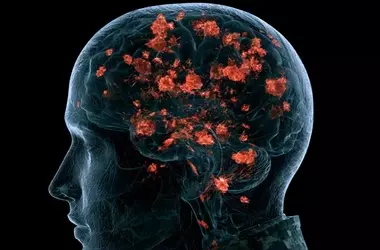
Immune Protein Provides Brain Protection Against Depression and PTSD After TBI
A recent study highlights the protective role of a natural immune protein, anti-NMDAR1 antibody, against post-traumatic stress disorder (PTSD) and depression in individuals with traumatic brain injury (TBI). Researchers found that higher levels of this antibody correlate with a significantly reduced risk of developing these psychiatric symptoms after TBI. This discovery could pave the way for novel strategies to identify at-risk individuals and develop new interventions for TBI-related mental health conditions.
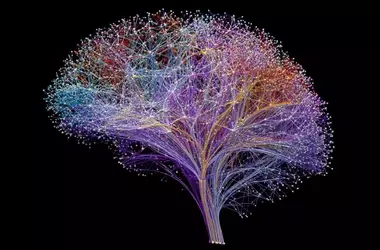
Mapping 54,583 Brain Connectomes for Disease Detection
Researchers have developed an extensive reference model of the human brain by analyzing 54,583 diffusion MRI scans from 19 international datasets. This groundbreaking study establishes lifelong “growth and decline charts” for the brain's white matter, akin to pediatric growth charts. The publicly available tool enables clinicians to identify structural deviations linked to aging, Alzheimer’s disease, and schizophrenia risk by tracking water molecule movement along neural pathways. This personalized approach to brain health offers a new diagnostic method and aids in evaluating treatment efficacy for various neurological conditions.

Understanding Voices: A Compassionate Approach to Auditory Hallucinations and Suicidal Ideation
Researchers from the University of Birmingham and Mind in Camden have introduced new clinical resources, including a guide and documentary, advocating for a more compassionate approach to individuals experiencing auditory hallucinations, especially those linked to suicidal thoughts. The project emphasizes that hearing voices can be an adaptive coping mechanism for severe psychological distress. It critiques current practices that often erode trust and intensify distress through coercive interventions, calling for a paradigm shift towards collaborative listening, respect for patient agency, and epistemic justice.