 Breaking News & Live Updates
- Breaking News & Live Updates
- Breaking News & Live Updates
- Breaking News & Live Updates
- Breaking News & Live Updates
- Breaking News & Live Updates
- Breaking News & Live Updates
- Breaking News & Live Updates
- Breaking News & Live Updates
- Breaking News & Live Updates
Navigating Low Mood: A Guide to Self-Care and Seeking Support
Other Articles

Therapeutic Approaches for Anxiety Disorders
A recent study underscores the efficacy of structured psychological interventions, particularly cognitive behavioral therapy (CBT), in alleviating anxiety symptoms. Patients undergoing regular CBT sessions reported substantial improvements in managing worry, restlessness, and sleep disturbances. Experts advocate for prompt professional assistance and integrate healthy lifestyle adjustments like regular physical activity and optimal sleep hygiene to enhance recovery. Seeking mental health support is presented as a testament to resilience.
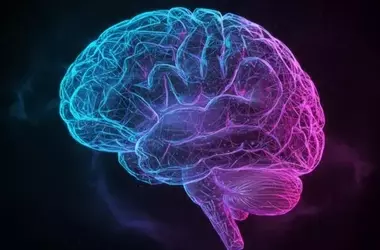
Short Video Consumption Temporarily Suppresses Cognitive Control Networks, Study Reveals
A recent study published in "NeuroImage" indicates that watching preferred short-form videos can temporarily quiet brain regions associated with self-control and monitoring. This phenomenon is potentially linked to the brain's glutamate levels. The research suggests that immersive, enjoyable viewing experiences may lessen the need for active cognitive regulation, leading to a temporary deactivation of critical brain networks responsible for conflict detection and focused attention.
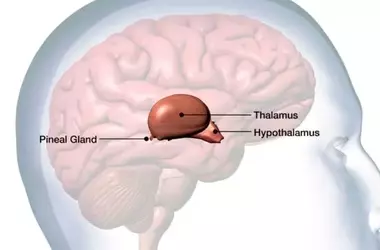
Reduced Pineal Gland Volume Linked to Psychiatric Disorders, Study Finds
A new meta-analysis suggests that individuals with psychiatric conditions like depression, bipolar disorder, and schizophrenia tend to have a smaller pineal gland. This structural difference, which appears to be a neurodevelopmental trait rather than a consequence of illness, may influence melatonin production. However, the study found no direct correlation between pineal gland size and sleep quality, highlighting the complex interplay of factors affecting sleep and mental health.
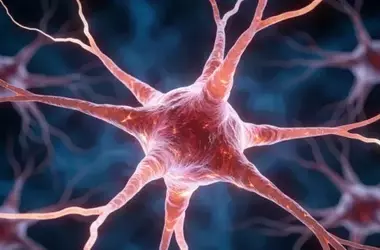
Antidepressants May Normalize Brain Tissue Changes in Persistent Depression
A new study reveals that antidepressants duloxetine and desvenlafaxine can normalize brain tissue microstructure in individuals with persistent depressive disorder. The normalization appears to be mediated by the reduction in symptom severity, suggesting that initial abnormal tissue changes might be a compensatory response to depression. These findings enhance our understanding of how antidepressants affect the brain and the underlying mechanisms of chronic depression, despite limitations regarding participant attrition and generalizability.
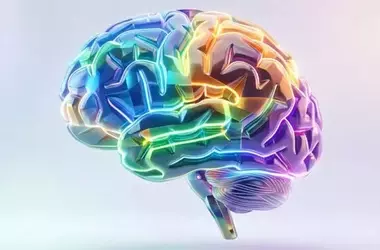
Brain Scans Uncover Links Between Uneven Intelligence and Attention Deficits in Children
A new study reveals that children with ADHD who have a significant disparity between their verbal and nonverbal intelligence scores exhibit more pronounced difficulties with self-regulation and focus. This cognitive gap correlates with reduced blood flow in the frontal brain regions during tasks requiring impulse control, providing insights into the neurological underpinnings of attention deficits. The findings highlight the importance of assessing distinct cognitive abilities in understanding and addressing ADHD in school-aged children.
Deep Brain Stimulation Physically Remodels Brain's Information Superhighway
A recent study suggests that deep brain stimulation (DBS) for severe depression not only changes brain electrical activity but also physically reshapes the brain's white matter. Researchers found that DBS increased the integrity and myelination of nerve fibers in macaques, leading to altered communication across neural networks. These findings imply that long-term therapeutic benefits may come from structural brain remodeling, not just temporary electrical changes.