Maternal depression, a prevalent and severe complication of childbirth, impacts both the mother and her child. This condition can manifest at any point during the perinatal period, encompassing pregnancy and the initial year following birth. Recent investigations have begun to explore whether addressing depression during pregnancy could influence infant brain development and subsequent emotional behavior. These studies underscore the critical role of pregnancy as a window for mental health interventions, not only for the mother's well-being but also for the infant's health trajectory.
A recent study delved into the relationship between prenatal depression treatment and infant development. It revealed that treating maternal depression during pregnancy through methods like interpersonal psychotherapy (IPT) was linked to significant reductions in maternal depressive symptoms. Furthermore, infants whose mothers received IPT showed differences in brain structure, specifically smaller right hippocampal volumes, which were associated with reduced negative emotionality in later infancy. While these findings suggest a potential connection, researchers emphasize the need for further exploration to fully understand the underlying biological mechanisms and the long-term developmental implications.
The Impact of Early Intervention on Maternal Well-being
Depression during pregnancy presents substantial health risks for both the expectant mother and her child. Beyond the immediate effects on the mother's mental state, prenatal depression has been correlated with unfavorable birth outcomes, weakened mother-infant attachment, diminished quality of life, strained relationships, and adverse impacts on children's developmental progress. Recognizing these profound consequences, there's a growing interest in understanding whether therapeutic interventions for expectant mothers can also positively influence the developmental pathways of their infants. This area of research aims to elucidate the broader benefits of addressing maternal mental health during this crucial period.
A recent study, published in Nature Communications, explored the effects of treating prenatal depression by examining 109 infants whose mothers had participated in a clinical trial focused on depression treatment during pregnancy. Participants were divided into two groups: one receiving eight 50-minute sessions of interpersonal psychotherapy (IPT), an evidence-based treatment that addresses how relationships and life changes affect mental health, particularly relevant during the perinatal period with its significant role transitions and relationship conflicts. The comparison group received enhanced usual care (EUC), which included an hour of depression education, mental health resources, and ongoing monitoring. The findings indicated that mothers who underwent IPT experienced significantly greater reductions in depressive symptoms compared to the EUC group, highlighting the effectiveness of targeted therapy in alleviating maternal distress during pregnancy. This reduction in symptoms was substantial, with scores decreasing by 47% on the Symptom Checklist and 52.5% on the Edinburgh Postnatal Depression Scale (EPDS) for the IPT group, demonstrating a marked improvement in maternal mental health.
Prenatal Depression Treatment and Infant Development
Beyond the immediate benefits for maternal mental health, the study delved into whether prenatal depression treatment could influence infant brain development. This line of inquiry represents a shift from previous research that primarily focused on the negative correlations between maternal depression and child development. By investigating the potential positive effects of intervention, the study offers a new perspective on how supporting maternal mental health during pregnancy could lay a foundation for healthier infant development. It posits that the prenatal period is a vital time for interventions that can yield benefits extending beyond the mother to her child's earliest developmental stages.
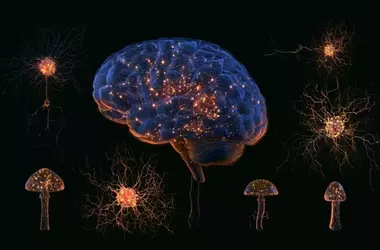
Researchers utilized magnetic resonance imaging (MRI) on the infants at six weeks of age to measure the volume of two key brain regions: the hippocampus, crucial for learning and memory, and the amygdala, involved in emotional processing. Subsequently, at six months, the infants' negative emotionality—their expression of distress or negative emotional responses to unfamiliar stimuli—was assessed through behavioral observation. A significant finding was that infants of mothers who received IPT had noticeably smaller right hippocampal volumes compared to those in the EUC group. Intriguingly, smaller hippocampal volumes were associated with lower subsequent negative emotionality in infants. While these results suggest a potential link between prenatal depression treatment, early brain development, and infant emotional behavior, the study emphasizes that more research is needed to confirm a causal relationship and understand the long-term developmental significance of these observed differences. This new understanding highlights the multifaceted benefits of addressing maternal mental health during pregnancy, not only for the mother's well-being but also for the infant's developmental trajectory.