 Breaking News & Live Updates
- Breaking News & Live Updates
- Breaking News & Live Updates
- Breaking News & Live Updates
- Breaking News & Live Updates
- Breaking News & Live Updates
- Breaking News & Live Updates
- Breaking News & Live Updates
- Breaking News & Live Updates
- Breaking News & Live Updates
Indoor Hydroponics: A Mental Health Boost for Cancer Patients
Cancer diagnoses often present profound physical and emotional hurdles beyond standard medical care. A recent investigation revealed that individuals undergoing cancer treatment who engaged in countertop hydroponic gardening reported enhanced psychological health and an elevated sense of general welfare. This pioneering research, detailed in Frontiers in Public Health, suggests an accessible method to mitigate some of the non-medical impacts of the disease.
Traditional outdoor gardening has long been recognized for its capacity to alleviate stress, improve mood, and promote healthier eating habits through moderate physical activity and a connection with nature. However, numerous barriers, such as physical limitations, urban living constraints, or the demanding nature of medical therapies, often preclude cancer patients from participating. Recognizing these challenges, researchers explored hydroponics—a soilless cultivation method that allows plants to grow in water with added nutrients under artificial light, making year-round indoor gardening feasible. This alternative bypasses issues like soil-borne diseases and the need for herbicides, offering a sterile and controlled environment.
A study involving thirty-six cancer patients, with an average age of fifty-seven, at a Houston cancer center, provided participants with AeroGarden hydroponic systems. These kits, designed for ease of use, contained all necessary components to cultivate salad greens. Over an eight-week period, patients managed their gardens independently, planting seeds, monitoring water levels, and harvesting their produce. Throughout the intervention, participants showed consistent improvements in mental health scores and a reduction in depressive symptoms. They also reported better emotional and social functioning, alongside a decrease in appetite-related difficulties. Additionally, this direct involvement in food production encouraged healthier eating habits, with patients consuming more fruits and dark leafy greens. While the study noted a slight downward trend in pain management scores, and no significant changes in anxiety or stress, the psychological benefits were clear: cultivating plants instilled a sense of responsibility and achievement, offering a valuable feeling of control during a challenging time and promoting cognitive restoration. Future research with larger and more diverse groups, extended observation periods, and objective data collection methods will be crucial to further validate these findings and understand their long-term implications.
Engaging with nature, even within the confines of one's home, offers profound benefits for healing and emotional resilience. This study exemplifies how simple, accessible activities can empower individuals facing significant health challenges, fostering hope, purpose, and a renewed connection to life's intrinsic growth. Embracing such innovative approaches enriches well-being and highlights the holistic pathways to recovery and thriving.
Other Articles
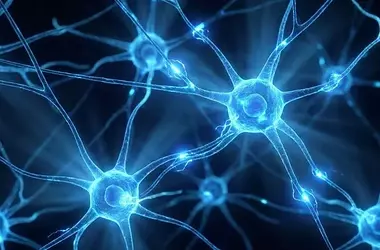
Scientific Discovery: Nasal Breathing Pathway Linked to Anxiety Regulation
New research reveals how nasal breathing directly influences anxiety levels by activating specific brain circuits. Slow nasal breathing reduces anxiety, while rapid breathing heightens it. This study, primarily conducted on mice, identifies a precise nose-to-brain pathway involving olfactory sensory neurons, the perirhinal cortex, and the amygdala. The findings provide a neuroscientific basis for calming breathing practices and suggest potential therapeutic applications for anxiety disorders.

Understanding Neural Responses to Social Exclusion in Excessive Smartphone Users
A study published in 'Computers in Human Behavior' reveals that individuals who excessively use smartphones display distinct brain activity patterns when experiencing social exclusion. This heightened neural sensitivity, particularly in the right middle cingulate cortex and right superior frontal cortex, may contribute to the persistence of screen-related behavioral addictions. The research emphasizes emotional and cognitive vulnerabilities linked to heavy smartphone reliance, highlighting the need for further investigation into causality and development over time.

Early Brain Changes in Alzheimer's Disease: A Precursor to Amyloid Plaques
New research indicates that structural alterations in the brain's outer layer can be detected several years before the onset of high amyloid-beta protein levels, suggesting that these physical brain changes may be an earlier indicator of Alzheimer's disease than previously understood. This challenges the traditional view that amyloid plaques are the initial event, highlighting a potentially new timeline for disease progression.
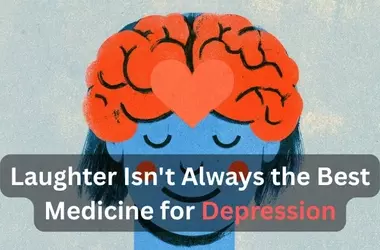
Humor's Role in Depression: A Nuanced Approach
A comprehensive review of clinical psychology and neuroimaging research highlights that while humor can bolster resilience and guard against depressive recurrence, it often proves counterproductive during severe depressive episodes. The efficacy of humor is highly dependent on the disease stage, situational context, and its presentation, with forced jocularity or somber internet memes potentially intensifying anxiety and solidifying negative thought patterns.
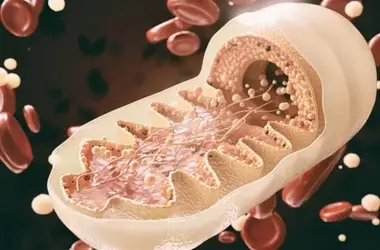
Discovery of 'Mitochondrial Plaques' Offers New Insights into Alzheimer's Disease
Researchers have identified novel "mitochondrial plaques" in Alzheimer's disease brains, consisting of damaged mitochondria within nerve fibers. This discovery, published in Nature Neuroscience, suggests a breakdown in the brain's waste disposal system. These plaques form early in the disease and may offer new therapeutic targets beyond traditional amyloid-focused treatments to combat cognitive decline.

Narcissistic Traits and Attitudes Towards Mental Health Treatment
A recent study published in "Personality and Individual Differences" explores how different forms of narcissism influence individuals' attitudes towards seeking psychological help. Researchers found that antagonistic narcissism, characterized by rivalry and hostility, leads to negative perceptions of mental health professionals and a reluctance to seek therapy. Conversely, narcissistic admiration, a self-promotional trait, is associated with more favorable views of psychological treatment. The study, conducted across American and Polish adult populations, highlights the complex interplay between personality traits and mental healthcare-seeking behaviors.