 Breaking News & Live Updates
- Breaking News & Live Updates
- Breaking News & Live Updates
- Breaking News & Live Updates
- Breaking News & Live Updates
- Breaking News & Live Updates
- Breaking News & Live Updates
- Breaking News & Live Updates
- Breaking News & Live Updates
- Breaking News & Live Updates
The Allure of Analog Living: Reconnecting Through Deliberate Engagement
In an era dominated by instantaneous digital interactions, a subtle yet profound shift is occurring. Many individuals are instinctively seeking a return to more tangible, 'analog' experiences. This emergent cultural trend, referred to as 'Analog Living,' represents a deliberate choice to step away from the relentless pace of digital connectivity and immerse oneself in activities that demand patience, presence, and direct sensory engagement. It's a collective yearning for a deeper connection with the moment, fostering a sense of fulfillment that digital quick fixes often fail to deliver.
Embracing the Deliberate Pace of Analog Engagement
The burgeoning fascination with analog pursuits signals a widespread desire for more meaningful interaction with our surroundings. A striking example of this phenomenon recently unfolded as an individual, unfamiliar with painting, ventured into an abstract art class. Initially confronted by the intimidating blank canvas and a chorus of self-doubt, the act of applying paint to canvas transformed into an unexpectedly profound experience. The studio, filled with the aroma of turpentine and the subtle sounds of brushstrokes, offered a sanctuary devoid of digital distractions—no algorithms, no notifications, just the raw process of creation. This singular experience revealed a sense of complete absorption, a rare feeling in a world constantly vying for our attention. This sentiment is echoed across society, with many rediscovering the charm of film cameras, physical journals, and craft kits, deliberately choosing the 'friction' of these activities over the seamless but often superficial ease of digital alternatives. Industry experts and cultural commentators alike have noted this movement, with some labeling it the 'Year of Analog Living,' characterized by a preference for imperfect aesthetics and 'dopamine decor' that evokes genuine feeling rather than mere visual appeal. This re-embrace of the tangible extends to the concept of 'brain wealth,' suggesting that sustained mental vitality is nurtured through slow, focused activities like long-form reading and handcrafts. This phenomenon underscores a collective awakening to the need for disengagement from endless scrolling and a conscious embrace of activities that foster genuine presence and inner quiet.
This re-evaluation of how we spend our time prompts a deeper question: what drives this widespread yearning for disconnection? It suggests that the continuous digital barrage merely exacerbates an underlying restlessness, a constant mental hum that prevents true presence. Analog activities, by demanding focused attention, offer a therapeutic antidote. When hands are occupied with clay, yarn, or paint, the mind's incessant chatter quiets, naturally settling into the rich tapestry of sensory experience. This isn't about avoiding restlessness, but rather, about learning to encounter it with curiosity and without judgment. Ultimately, analog living serves as an entry point, a 'doorway,' to profound mindfulness. By deliberately choosing activities that require effort and presence, we can cultivate a heightened awareness of the moment, transcending the superficiality of constant digital engagement and nurturing a life truly lived.
Other Articles

Enhancing Private Practice Through Gottman Method Therapy
This article explores how integrating Gottman Method Therapy can significantly benefit private practices. It delves into the three-tiered certification process, from foundational assessments to advanced interventions for complex issues like affairs and PTSD. The piece highlights how this research-backed approach not only improves client outcomes but also strengthens a therapist's professional standing and practice growth, emphasizing the value of continuous clinical development.

Embracing the Present: A Pathway to a More Meaningful Existence
This article explores the profound impact of present-moment awareness on enriching daily life. It delves into how cultivating presence, a form of active mindfulness, can transform ordinary experiences, making them more vibrant and extending our subjective perception of time. Drawing on philosophical insights and scientific research, the piece highlights practical strategies for integrating this powerful habit into everyday routines, ultimately leading to greater well-being and a deeper appreciation for life.
Cultivating Inner Balance Amidst Life's Transformations: A Meditative Journey
This article explores the concept of equanimity as a path to inner balance and peace in a world of constant change. It offers a guided meditation practice designed to foster a sense of ease and acceptance, allowing individuals to navigate life's challenges with a compassionate heart and a present mind. The practice encourages self-reflection and extending compassion to others facing difficulties.

Mindfulness: The Cornerstone of a Functioning Democracy
This article highlights the crucial role of mindfulness in a healthy democracy, distinguishing true democracy from political conflict. It emphasizes that real democracy involves collaborative effort and mutual care, underpinned by mindful practices like attention, deep listening, and emotional regulation. The piece argues that mindfulness empowers individuals to make considered choices, fostering a society where interdependence and shared well-being are prioritized over division.

Nature's Embrace: A Sanctuary for Mind, Body, and Spirit
This article explores the profound benefits of engaging with green spaces, illustrating how nature can significantly reduce stress, foster a sense of awe, and enhance mental clarity. It delves into scientific findings and personal anecdotes to highlight nature's unique ability to calm the nervous system, cultivate a 'beginner's mind,' and restore focus in an increasingly demanding world.
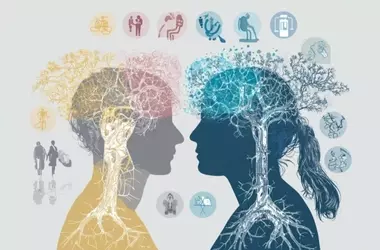
Gender Influences the Progression of Bipolar Disorder and Schizophrenia
A comprehensive multicenter study has uncovered that gender plays a significant role in shaping the characteristics and trajectory of schizophrenia and bipolar disorder. Women with schizophrenia tended to commence treatment at a later stage, whereas men with the same condition exhibited higher rates of substance abuse. Additionally, individuals diagnosed with bipolar disorder displayed superior functional and cognitive abilities compared to those with schizophrenia, with women excelling in verbal memory and psychomotor speed. The research underscores the necessity of gender-specific treatment approaches to enhance clinical results and long-term care.