 Breaking News & Live Updates
- Breaking News & Live Updates
- Breaking News & Live Updates
- Breaking News & Live Updates
- Breaking News & Live Updates
- Breaking News & Live Updates
- Breaking News & Live Updates
- Breaking News & Live Updates
- Breaking News & Live Updates
- Breaking News & Live Updates
Enhancing Private Practice Through Gottman Method Therapy
When a therapist in a private practice encounters a couple grappling with familiar patterns like escalating arguments or emotional withdrawal, the real challenge often lies in discerning the most effective intervention sequence. This common scenario underscores the profound importance of ongoing professional development for clinicians. While tangible investments like office upgrades or marketing campaigns are readily apparent, investing in enhanced clinical expertise, such as specialized therapeutic training, silently but powerfully transforms the quality of care provided during therapy sessions. This commitment to continuous learning empowers therapists to navigate intricate relational dynamics with greater precision and efficacy, ultimately leading to more positive outcomes for their clients.
The Gottman Method certification pathway offers a structured approach to elevating a therapist's capabilities, progressing through three distinct stages designed to deepen understanding and practical application. Level 1 serves as an introduction, open to a broad range of professionals and providing foundational knowledge in assessing relationship stability and implementing core interventions. Building upon this, Level 2, requiring completion of Level 1, focuses on more advanced treatment planning using the Sound Relationship House framework and addressing common co-occurring issues such as infidelity, trauma, and addiction. The highest level, Level 3, is a practicum led by experts, where participants refine their skills through case studies and live coaching, progressing towards becoming a Certified Gottman Therapist. This cumulative learning journey ensures that certified therapists possess a cohesive and scientifically-backed framework for understanding and resolving couple's challenges, distinguishing their practices by their profound insight into relational dynamics.
Beyond foundational training, practical tools like the Gottman Relationship Checkup further augment a therapist's ability to serve their clients. This comprehensive assessment, built on decades of research, provides an efficient way to evaluate relationship health, identify key areas for intervention, and track progress. By automating diagnostic work, it frees up valuable clinical time for direct therapeutic engagement. Therapists can register for Gottman Connect to access this tool, with the initial couple's assessment offered at no cost. This integration of training and cutting-edge assessment tools not only enhances clinical precision but also solidifies a private practice's reputation, attracting clients who seek thoughtful and evidence-based support for their relationships.
Embracing continuous learning and utilizing advanced tools like the Gottman Method enables therapists to not only grow their practices but also to profoundly impact the lives of their clients. By dedicating themselves to enhancing their expertise, professionals in the field of relationship counseling can build more resilient couples and foster stronger, healthier communities. This commitment to excellence transforms challenges into opportunities for growth, underscoring the vital role of skilled and informed therapeutic interventions in achieving lasting positive change.
Other Articles

Embracing the Present: A Pathway to a More Meaningful Existence
This article explores the profound impact of present-moment awareness on enriching daily life. It delves into how cultivating presence, a form of active mindfulness, can transform ordinary experiences, making them more vibrant and extending our subjective perception of time. Drawing on philosophical insights and scientific research, the piece highlights practical strategies for integrating this powerful habit into everyday routines, ultimately leading to greater well-being and a deeper appreciation for life.
Cultivating Inner Balance Amidst Life's Transformations: A Meditative Journey
This article explores the concept of equanimity as a path to inner balance and peace in a world of constant change. It offers a guided meditation practice designed to foster a sense of ease and acceptance, allowing individuals to navigate life's challenges with a compassionate heart and a present mind. The practice encourages self-reflection and extending compassion to others facing difficulties.

Mindfulness: The Cornerstone of a Functioning Democracy
This article highlights the crucial role of mindfulness in a healthy democracy, distinguishing true democracy from political conflict. It emphasizes that real democracy involves collaborative effort and mutual care, underpinned by mindful practices like attention, deep listening, and emotional regulation. The piece argues that mindfulness empowers individuals to make considered choices, fostering a society where interdependence and shared well-being are prioritized over division.

Nature's Embrace: A Sanctuary for Mind, Body, and Spirit
This article explores the profound benefits of engaging with green spaces, illustrating how nature can significantly reduce stress, foster a sense of awe, and enhance mental clarity. It delves into scientific findings and personal anecdotes to highlight nature's unique ability to calm the nervous system, cultivate a 'beginner's mind,' and restore focus in an increasingly demanding world.
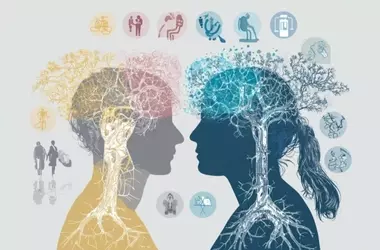
Gender Influences the Progression of Bipolar Disorder and Schizophrenia
A comprehensive multicenter study has uncovered that gender plays a significant role in shaping the characteristics and trajectory of schizophrenia and bipolar disorder. Women with schizophrenia tended to commence treatment at a later stage, whereas men with the same condition exhibited higher rates of substance abuse. Additionally, individuals diagnosed with bipolar disorder displayed superior functional and cognitive abilities compared to those with schizophrenia, with women excelling in verbal memory and psychomotor speed. The research underscores the necessity of gender-specific treatment approaches to enhance clinical results and long-term care.

Navigating Relationships with Borderline Personality Disorder
Borderline Personality Disorder (BPD) often presents significant challenges in personal relationships due to intense mood fluctuations, anger, and abandonment fears. This creates a tumultuous environment for loved ones, who may feel overwhelmed and helpless. However, by focusing on personal responses, setting boundaries, and enhancing communication, individuals can positively influence these dynamics, fostering greater stability and satisfaction within their relationships, even when the person with BPD is not yet ready for treatment.