 Breaking News & Live Updates
- Breaking News & Live Updates
- Breaking News & Live Updates
- Breaking News & Live Updates
- Breaking News & Live Updates
- Breaking News & Live Updates
- Breaking News & Live Updates
- Breaking News & Live Updates
- Breaking News & Live Updates
- Breaking News & Live Updates
Undigested Fructose Linked to Anxiety and Brain Inflammation
Emerging research combining human observations and animal experiments indicates a significant link between the consumption of excessive dietary fructose that remains undigested in the gut and elevated levels of anxiety, alongside brain inflammation. This phenomenon appears to stem from the disruption of the gut's bacterial ecosystem by unabsorbed fructose, potentially initiating an immune reaction that adversely affects cerebral health. The findings underscore the importance of understanding the intricate relationship between diet, gut health, and neurological well-being.
The Intricate Link Between Fructose Malabsorption and Mental Health
The human body's capacity to absorb fructose is limited by specific transport proteins in the small intestine. When fructose intake surpasses this capacity, the unabsorbed sugar travels to the lower intestine and colon, leading to a common condition known as fructose malabsorption. In the lower intestine, resident bacteria ferment this excess fructose, profoundly altering the gut microbiome. This disruption can cause certain bacterial populations to proliferate while others decline, impacting the delicate balance of the gut ecosystem. Previous medical investigations have consistently demonstrated a correlation between chronic imbalances in the gut microbiome and various mental health conditions, including anxiety and depression. This complex communication pathway, often referred to as the gut-brain axis, suggests that modifications in gut bacteria can provoke systemic immune responses throughout the body.
This disturbed immune system, in turn, can transmit distress signals to the brain, culminating in neuroinflammation. Researchers, driven by the desire to ascertain if widespread fructose malabsorption acts as a clandestine instigator of mood disorders, embarked on a comprehensive two-part study. This investigation involved an observational cohort of healthy male volunteers and an experimental mouse model. The human study revealed that participants with fructose malabsorption exhibited higher scores on anxiety scales and displayed elevated levels of inflammatory proteins and bacterial toxins in their bloodstream. Furthermore, their stool samples showed distinct alterations in gut bacterial composition compared to those who absorbed fructose normally. The animal model, utilizing genetically modified mice unable to absorb fructose, further reinforced these findings. These mice, when fed a fructose-rich diet, displayed increased fear and depressive behaviors, coupled with significant shifts in their gut bacteria and strong inflammatory reactions in their brain's microglia, confirming a direct biological pathway from gut dysbiosis to brain inflammation and anxiety.
Implications for Dietary Choices and Future Research
Fructose, a simple sugar naturally present in fruits and vegetables, is now ubiquitously added to an array of processed foods, artificial juices, and soft drinks. Historically, human fructose consumption was minimal, typically less than five grams daily. However, in contemporary developed nations, this figure frequently escalates to between fifty and eighty grams. While public health organizations routinely highlight the metabolic consequences of excessive sugar intake, the potential ramifications for mental health have received comparatively less scholarly attention. The research provides a compelling rationale for further investigation into the psychological impacts of dietary fructose, particularly given the prevalence of fructose malabsorption.
The study, while groundbreaking, acknowledged certain limitations, notably the exclusive inclusion of male participants in both human and animal cohorts, suggesting that biological responses to unabsorbed fructose might differ in females. Additionally, the human segment of the study was observational, with dietary fructose intake varying among participants in their daily lives, posing challenges for stringent control. Future research endeavors are imperative to explore whether deliberate modifications in fructose intake among individuals with malabsorption can lead to improvements in their mental health. Clinical trials involving human volunteers with malabsorption placed on strict fructose-free diets could serve to validate the results observed in the mouse models. Furthermore, delving into how a reduction in intestinal inflammation directly influences brain biology could unlock novel nutritional strategies for the effective management of mood disorders, offering a promising avenue for dietary interventions in mental health care.
Other Articles
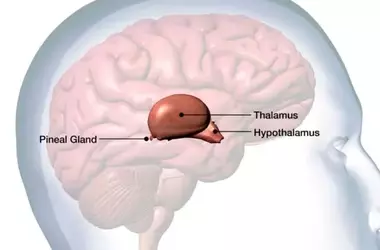
The Evolutionary Journey of Vertebrate Vision: From a Single 'Third Eye' to Complex Paired Organs
A groundbreaking study published in Current Biology proposes a revolutionary theory for the evolution of vertebrate eyes. It suggests that our complex paired eyes originated from a singular, central "third eye" in an ancient, worm-like ancestor. This research challenges conventional understanding by positing that light-sensing cells predated the eyes themselves, with remnants of this primordial visual system still influencing human brain functions like sleep regulation. The findings shed light on the unique cellular composition of vertebrate eyes, which distinctively blend two types of photoreceptors not seen elsewhere in the animal kingdom, hinting at a fascinating detour in our evolutionary visual pathway.
Shift Work Linked to Brain Volume Reduction and Cognitive Decline
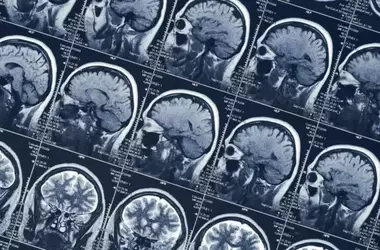
New research analyzing UK Biobank data reveals a correlation between shift work and gradual shrinkage in the left amygdala and right thalamus brain regions. The study, published in NeuroImage, also indicates that ceasing shift work can halt this volume loss within approximately 2.4 years. Furthermore, shift workers showed lower scores in memory, fluid intelligence, and mental processing speed tests. These findings highlight potential neurological impacts of non-standard work schedules.

Brain Development Patterns Predict ADHD Symptom Trajectories
A study published in Nature Mental Health reveals that varying patterns of brain development during adolescence are linked to different outcomes for childhood ADHD symptoms. Researchers found that changes in cortical thinning and hippocampal growth could predict whether symptoms would persist, fade, or emerge in teenagers. This research highlights the potential for using brain imaging to forecast symptom changes and underscores the necessity for continuous monitoring in ADHD management.

Youth BMI Linked to Altered Brain Connectivity
A recent study published in Clinical Neurophysiology reveals that children and adolescents with a higher body mass index (BMI) exhibit distinct differences in brain activity and connectivity. These neurological patterns suggest a reduction in the brain's natural inhibitory systems, potentially making it harder to break ingrained habits. The research involved 32 participants aged eight to 19, divided into groups based on BMI. Using magnetoencephalography, scientists observed elevated gamma brain waves and weakened low-frequency connections in those with higher BMIs, indicating potential inefficiencies in brain communication.

Brainwave Dynamics During Meditation: A Time-Sensitive EEG Study
A recent study published in Mindfulness reveals that noticeable shifts in brain activity occur within minutes of starting breath-watching meditation, peaking around the seven-minute mark. This effect is consistent across individuals, regardless of their prior meditation experience. The research utilized electroencephalography (EEG) to track these real-time neural changes, providing insights into the precise timing and evolution of brainwave patterns during meditation. The findings suggest that even brief meditation sessions can significantly influence brain dynamics, challenging the notion that long practice durations are essential for experiencing benefits and potentially making meditation more accessible through digital interventions.

Cultivating Mental Well-being: A Holistic Approach
In our fast-paced world, mental well-being is as crucial as physical health. This article explores practical strategies for nurturing psychological wellness, emphasizing self-awareness, boundary setting, physical activity, social connection, and seeking professional help. By integrating small, consistent habits, individuals can enhance their resilience, manage stress, and foster a more balanced and fulfilling life.