 Breaking News & Live Updates
- Breaking News & Live Updates
- Breaking News & Live Updates
- Breaking News & Live Updates
- Breaking News & Live Updates
- Breaking News & Live Updates
- Breaking News & Live Updates
- Breaking News & Live Updates
- Breaking News & Live Updates
- Breaking News & Live Updates
Understanding the Phenomenon of Fan FOMO and Parasocial Relationships
Navigating the Digital Realm: Unpacking Fan Obsession and the Anxiety of Exclusion
The Intricate Dance Between Fandom and the Urge Not to Miss Out
The deep emotional ties individuals form with public figures, bands, or sports teams are a common thread in human experience. This profound engagement, while often a source of joy and collective identity, can also usher in an unsettling sensation: the fear of being excluded from significant events or interactions that others are relishing. This anxiety, colloquially known as FOMO (Fear of Missing Out), becomes particularly acute for fans when major events, such as a highly anticipated movie premiere, a championship series, or a global concert tour, are on the horizon. The compelling nature of these emotional bonds explains why fans might experience such intense feelings of anticipation and concern about missing out.
Exploring One-Sided Devotion: The Nature of Parasocial Connections
Fans frequently forge one-sided relationships with their adored celebrities, musical groups, and athletic teams. Although these connections are inherently asymmetrical, meaning the celebrity is usually unaware of the fan's existence, they are potent sources of emotional attachment. Strategic marketing and the personalities themselves often nurture these bonds, encouraging fans to invest in tickets, merchandise, and other fan-related products, sometimes beyond their financial means. These relationships are rooted in a desire for closeness, whether through attending live events or engaging with idols and fellow fans online. Initially deemed problematic, parasocial relationships are increasingly recognized for their positive aspects, providing enjoyment, inspiring individuals towards personal and social goals, and acting as a reference point for identity development through admiration and emulation.
The Pervasive Worry of Being Excluded: A Deep Dive into FOMO
The concept of FOMO is intricately linked with fan culture. This phenomenon can manifest as a transient state of unease about missing out on specific occurrences or as a more enduring aspect of one's personality, marked by a constant apprehension that others are partaking in fulfilling experiences from which one is absent. The feeling of FOMO is not a modern invention; the distress of being excluded from social gatherings existed long before the digital age. However, the advent of social media has transformed FOMO into a persistent concern, as the continuous stream of online activity means there's always something happening 'somewhere.' This constant exposure can lead to compulsive social media use, offering temporary relief from anxiety but fostering an unhealthy dependency on online platforms, which can detrimentally affect mental well-being.
The Shared Foundation: Our Innate Need for Belonging
Both parasocial connections and FOMO stem from fundamental human desires for attachment, belonging, and interpersonal connection, as articulated by self-determination theory. Our evolutionary history has instilled in us a powerful drive to be part of a group, as social acceptance was once vital for survival. The instinct to stay informed about group activities—such as resource availability or threats—was also crucial. Consequently, the sensation of being 'left out' can trigger primal feelings of vulnerability, explaining the intense emotions associated with FOMO. If left unchecked, this pervasive feeling can lead to decreased life satisfaction, feelings of isolation, social inadequacy, and even resentment or envy. The relationship between parasocial bonds and FOMO is reciprocal: stronger emotional ties to idols predict a greater fear of missing related events, while a general predisposition to FOMO can drive individuals to form parasocial relationships in the first place, especially when a particular figure or event is widely discussed.
The Undesirable Repercussions of Persistent FOMO
Fans grappling with FOMO tend to exhibit increased social media engagement in an attempt to remain connected and informed across various spheres, including gaming, music, television, and sports. The 24/7 accessibility of social media makes the urge to check for updates relentless. Yet, the sheer volume and speed of online information make it an unattainable goal to stay completely current, often leaving the anxiety of missing out unresolved. Moreover, excessive time spent on social media can detract from real-world relationships. Studies have shown that FOMO contributes to 'phubbing,' where individuals prioritize their phones over direct social interaction. This behavior is linked to negative outcomes such as reduced interpersonal communication effectiveness, diminished life and relationship satisfaction, and physical symptoms like headaches and feelings of depression. Low self-esteem is also correlated with FOMO and heightened social media usage, as the often idealized portrayal of others' lives online can exacerbate feelings of inadequacy and intensify FOMO. Furthermore, the compulsive behaviors spurred by FOMO can impair self-care, leading to neglect of essential needs like eating and sleeping, overspending, and declining academic or professional performance.
Cultivating Resilience: Strategies to Minimize FOMO's Negative Influence
One notable negative outcome of FOMO is the potential for social media addiction. High levels of FOMO can induce a 'flow state' for users, causing them to become absorbed in the digital world and disconnected from their immediate surroundings, thereby fostering addictive tendencies. Recent research indicates that practicing mindfulness—an increased, non-judgmental awareness of the present moment—can reduce this absorption with social media. While mindfulness allows individuals to still experience the positive aspects of a flow state, it lowers the risk of developing addictive habits or compromising relationship satisfaction. Therefore, developing mindfulness skills can offer a protective buffer. Additionally, actively seeking offline connections, refining communication abilities, and nurturing self-esteem are crucial protective factors. These actions can counteract the compulsive behaviors often inspired by FOMO. While commercial entities may intentionally amplify FOMO through exclusive offers and limited-edition items, understanding these potential pitfalls empowers fans to enjoy the benefits of their parasocial relationships without succumbing to the associated compulsive behaviors.
Other Articles
Unraveling the Complex Relationship Between Coffee, Gut Microbiome, and Brain Function
A new study reveals that regular coffee consumption significantly alters gut bacteria, impacting mood, memory, and physical health. Both caffeinated and decaffeinated coffee varieties demonstrate unique benefits for psychological well-being and bodily functions, with polyphenols playing a crucial role beyond caffeine. This research highlights the dynamic interaction between diet, gut microbiome, and the brain, suggesting coffee's influence extends to stress resilience and cognitive abilities, while emphasizing individual variability in response.

Deep Brain Stimulation Transforms Brain's White Matter to Combat Depression
A groundbreaking study has revealed that Deep Brain Stimulation (DBS) doesn't just temporarily alter brain activity; it physically reshapes white matter pathways, thereby rewiring neural networks to alleviate severe depression. This research, conducted by scientists at Mount Sinai, marks a significant advance in understanding DBS mechanisms, showing it enhances myelination and cellular structure, offering new hope for treatment-resistant neuropsychiatric disorders by transforming our approach to neurological and psychiatric interventions.

The Disappearing Ladder: How the Decline of Entry-Level Jobs Impacts Youth Connection and Mental Well-being
A recent UK government report reveals a troubling trend: nearly a million young people are not engaged in education, employment, or training. While 84% express a desire to work, structural barriers, including the disappearance of accessible entry-level jobs and community spaces, prevent them from gaining crucial social connections and professional experience. This article explores how these systemic changes contribute to increasing loneliness and mental health challenges among youth, urging for a societal redesign that prioritizes human connection in early career development.
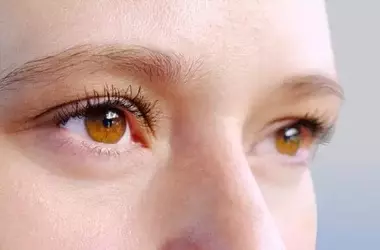
The Brain's Reliance on Whole Faces, Not Just Eyes, for Emotion Recognition
A recent study in Brain Research reveals that people identify facial expressions more swiftly and precisely when viewing the entire face, rather than solely the eyes. This indicates that while eyes convey crucial social signals, the brain significantly depends on the broader facial context to effectively interpret emotions. The research highlights the importance of configural processing over featural processing for optimal emotional recognition.

Cognitive Disruption Enhances Misinformation Detection
New research indicates that when individuals encounter political news that clashes with their preconceived notions or the expected editorial line of a media source, they engage in deeper cognitive processing. This 'mental mismatch' prompts a more thorough evaluation of the information, improving their ability to identify false claims. The study, published in Communication Research Reports, highlights how unexpected content can override partisan biases and enhance critical thinking, ultimately leading to a more accurate assessment of news veracity.

The Brain's Dual Aesthetic: Unpacking Beauty Standards for Paintings and Architecture
A new study reveals that the human brain employs distinct aesthetic criteria when evaluating paintings versus architecture. Researchers analyzed visual properties like symmetry and complexity in Parisian building facades and French artworks from the Haussmann renovation period (1853-1870). The findings indicate that architectural beauty is often associated with higher complexity, balance, and structured patterns, while artistic beauty in paintings embraces more imbalance and varied orientations. This suggests that our perception of beauty is domain-specific, challenging the notion of universal aesthetic values.