 Breaking News & Live Updates
- Breaking News & Live Updates
- Breaking News & Live Updates
- Breaking News & Live Updates
- Breaking News & Live Updates
- Breaking News & Live Updates
- Breaking News & Live Updates
- Breaking News & Live Updates
- Breaking News & Live Updates
- Breaking News & Live Updates
Understanding Mental States: A Mother's Journey and Insights
My son's unusual mental experiences, which began when he was fourteen, provided me with profound insights as a psychiatric nurse. At the time, I struggled to comprehend his struggles, hesitant to pathologize them given the often detrimental narratives and treatments within the psychiatric system. Over the years, I learned from his experiences that mental distress often stems from deep-seated issues, with his 'altered' states sometimes mirroring his real-life fears. While he eventually received diagnoses and medications, these proved largely unhelpful, highlighting the then-limited understanding of trauma's role in mental health, as the prevailing belief focused solely on biological origins and pharmaceutical solutions. I now understand that this philosophy is often inaccurate and wish I had possessed this knowledge during his younger years.
Our society tends to fear and medicalize what it doesn't understand or control, especially when it comes to behavioral and mood shifts in loved ones. This societal inclination leads to a system centered around diagnostic labeling and medication, despite the frequent challenge of finding effective treatments and the prevalence of multiple diagnoses for individuals. This practice raises questions about the scientific validity of current 'brain disorder' treatments. My own experience with psychiatric medications has shown me the uncertainty of finding the 'right' one, suggesting that true expertise in addressing someone's circumstances with medication is rare. Being present with my son during his most distressing moments taught me the crucial importance of human connection and empathy in making individuals feel secure and less alone during extreme mental states, underscoring that mental experiences are influenced by more than just biological factors.
Many in our society fail to grasp the diverse manifestations of distress, often overlooking the unaddressed wounds carried by those with mental health or substance use challenges. This neglect stems from a fear of exacerbating existing pain and a lack of belief in sustained support during the healing process. Instead of offering genuine care, we often alienate and marginalize individuals, especially early in their lives, when what they truly need is authentic connection and understanding. I've personally experienced similar distress, navigating alternative realities even in dreams to find solace or transcend difficult situations. A pivotal dream involving my deceased dog, Hero, and my son's insightful interpretation, illuminated the profound power of the mind to create its own resilience. In this dream, my son explained that Hero, though unseen by others, was my reality and source of comfort, urging my husband not to interfere but simply to be present. This experience profoundly impacted me, a former psychiatric nurse with my own diagnostic label, enabling me to deeply connect with and support others facing mental health changes, even those with deeply ingrained experiences often mislabeled as mere symptoms.
Our minds possess an extraordinary capacity for resilience, capable of constructing internal sanctuaries when external realities become overwhelming or incongruent with our values. Such 'insanity' can paradoxically become a haven when the external world appears more chaotic. If we, as a society, could embrace and acknowledge the unique experiences of others, even if we don't fully comprehend them, we could foster an environment of well-being. We must empower individuals to emerge from their internal struggles, rather than inadvertently pushing them further into isolation. By valuing and understanding diverse mental experiences, we can cultivate a more compassionate and supportive community where individuals feel safe to heal and grow.
Other Articles
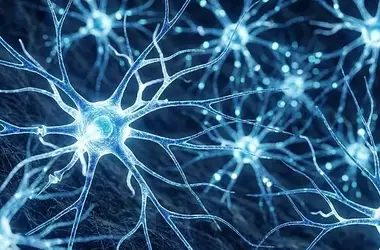
Brain Circuitry: Acetylcholine's Role in Serotonin Release Unveiled
New research published in 'Nature Communications' reveals that acetylcholine, a key brain chemical, directly influences the release of serotonin. This discovery highlights the intricate coordination between different chemical messengers in the brain and could offer insights into the neurological underpinnings of compulsive behaviors seen in conditions like obsessive-compulsive disorder. The study focuses on the striatum, a brain region crucial for habits and learning, and specifically on cholinergic interneurons that act as local regulators of brain activity.

Fashion's Impact on Mental Wellness for Middle-Aged Women
A recent study highlights the crucial link between clothing satisfaction and the mental well-being of middle-aged women. When these women are pleased with their fashion choices, they report greater overall happiness and less social avoidance. This research sheds light on how the fashion industry's oversight of this demographic can negatively affect their psychological state, underscoring the need for more inclusive and age-appropriate apparel options.

Implementing Positive Psychology Assessments: A Practitioner's Guide
This article offers an in-depth guide for practitioners, coaches, and HR professionals on selecting and applying positive psychology measures. It covers the rationale behind using assessments, a framework for choosing appropriate tools, a step-by-step workflow for implementation, and practical scripts for client interactions. The goal is to facilitate objective progress tracking, enhance client awareness, and build stronger relationships through evidence-based practices.

Mediterranean Diet Benefits Linked to Tiny Mitochondrial Proteins
A recent study suggests that the health benefits of the Mediterranean diet may be due to tiny proteins called mitochondrial microproteins. Researchers found that older adults who follow this diet closely have higher levels of Humanin and SHMOOSE, which protect against heart disease and cognitive decline. This discovery offers a new cellular-level explanation for how this diet promotes healthy aging.

Self-Perception and Social Expectation Misalignment Drives Loneliness in Borderline Personality Disorder
A recent study published in "Comprehensive Psychiatry" explores how the discrepancy between an individual's self-perception of social preferences and their expectations of others' social preferences contributes to loneliness in people with Borderline Personality Disorder (BPD). This misalignment, where individuals with BPD view themselves as more prosocial but anticipate selfishness from others, creates a cycle of misunderstanding and disappointment, intensifying feelings of isolation.

Moderate Caffeine Intake Does Not Trigger Panic Attacks but Influences Behavioral Choices, Study Finds
A recent study published in the Journal of Psychopharmacology indicates that moderate caffeine consumption is unlikely to induce panic attacks in individuals diagnosed with panic disorder. However, it may increase their tendency to avoid uncomfortable situations. This research offers valuable insights for managing anxiety symptoms while maintaining daily dietary habits.