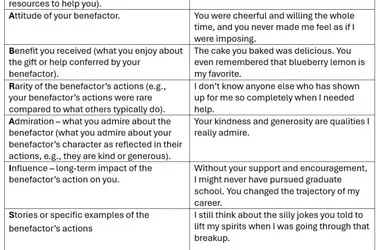
Gratitude is far more than a momentary feeling; it serves as a critical foundation for individual well-being and the strengthening of personal relationships. Psychological research consistently identifies thankfulness as a key character strength that profoundly enhances personal satisfaction and overall happiness. In the context of romantic partnerships, a sustained and sincere expression of appreciation significantly contributes to stability and cultivates deeper, more enduring connections between individuals. This intentional focus on what one values in others fosters a supportive environment, ensuring partners feel recognized and understood, thereby reinforcing the emotional bonds that unite them. Adopting a grateful perspective encourages an optimistic outlook and bolsters resilience against life's inevitable challenges, transforming thankfulness into a deliberate and impactful practice.
Moreover, gratitude generates a powerful 'ripple effect' that extends its positive influence across wider social circles. Studies reveal that merely observing authentic displays of thankfulness can elicit a 'halo effect' in others, inspiring heightened trust, promoting feelings of closeness, and increasing a readiness to engage cooperatively. This underscores gratitude’s role as a potent social signal, conveying warmth, integrity, and dependability, which in turn helps bridge interpersonal gaps and fortify community bonds. To fully leverage this influence, especially during communal events, the expression of gratitude should be individualized and directed towards specific admirable qualities or actions, moving beyond superficial acknowledgments. Genuine appreciation, explicitly articulating one’s reasons for thankfulness, enriches connections and nurtures a collective sense of belonging, making shared experiences truly nourishing for relationships.
The Core Benefits of Cultivating a Grateful Mindset
Adopting a lifestyle rooted in gratitude transcends mere politeness; it serves as a potent catalyst for profound enhancements in both individual well-being and the strength of our most cherished relationships. Rather than being a superficial or fleeting sentiment, gratitude is consistently identified by psychological research as one of the most crucial character strengths. This fundamental human attribute is intricately linked to fostering sustained personal satisfaction and comprehensive happiness, enabling individuals to navigate life's complexities with greater resilience. The deliberate practice of gratitude involves consciously acknowledging and valuing the positive elements within our daily experiences and interactions, cultivating an optimistic outlook and a robust internal state. Within romantic partnerships, the consistent and authentic articulation of appreciation acts as a foundational pillar, significantly bolstering stability and deepening emotional intimacy. When partners regularly express specific thanks for each other's unique qualities and meaningful contributions, they reinforce mutual understanding, strengthen their emotional bond, and collaboratively build a more secure and loving relationship foundation. This active engagement with thankfulness elevates it from an occasional thought to a transformative daily habit, yielding substantial dividends for mental health, emotional stability, and overall relational harmony.
The profound influence of gratitude permeates various facets of human existence, commencing with its undeniable impact on an individual's internal landscape and extending outwards. By consciously shifting one's focus from perceived deficiencies to an awareness of life's abundances, gratitude systematically contributes to rewiring neural pathways. This process promotes sustained feelings of contentment, significantly reduces psychological stress, and fosters an overarching sense of inner peace. This internal transformation directly correlates with tangible improvements in physical health, including more restorative sleep patterns, decreased inflammatory responses, and a fortified immune system, thereby underscoring the holistic and extensive benefits of adopting a grateful disposition. Moreover, gratitude acts as a powerful antidote to corrosive negative emotions such as envy, resentment, and regret, encouraging a more benevolent and compassionate perspective towards oneself and the world. In the context of interpersonal dynamics, particularly within close relationships like romantic partnerships, gratitude functions as a vital emotional lubricant and a cornerstone for sustained connection. It profoundly validates the efforts, sacrifices, and inherent worth of a partner, thereby diminishing the likelihood of conflict, fostering mutual understanding, and enhancing a shared sense of purpose and deep connection. The act of expressing specific appreciation, for example, acknowledging a partner's unwavering patience during a challenging period or their consistent, thoughtful support, communicates profound care, respect, and recognition. This detailed articulation of thankfulness moves beyond generic pleasantries, instead highlighting particular actions or commendable character traits that genuinely resonate, thereby strengthening the emotional bond, increasing relationship longevity, and cultivating a robust sense of security. Such conscious and consistent practice reinforces a positive feedback loop within the relationship, where acts of kindness and consideration are not only recognized but also more readily reciprocated, creating a self-sustaining cycle of love, appreciation, and reciprocal nourishment.
Extending Thankfulness: From Personal Bonds to Community Harmony
Beyond the direct benefits to individual well-being and intimate relationships, gratitude possesses a remarkable capacity to foster broader social cohesion and harmony, creating a far-reaching 'ripple effect'. Empirical research has compellingly demonstrated that merely observing genuine expressions of thankfulness can induce a 'halo effect' in onlookers. This phenomenon inspires heightened levels of trust, cultivates a deeper sense of closeness, and significantly enhances an individual's willingness to engage cooperatively, even in situations that might involve perceived risks or vulnerabilities. This underscores that gratitude operates as a profoundly potent social signal, effectively communicating warmth, integrity, and dependability. By signaling these positive attributes, gratitude effectively bridges potential interpersonal divides and acts as a powerful force in fortifying community ties, promoting collective understanding, and encouraging mutual support. To effectively leverage this expansive influence, especially during communal gatherings such as festive holiday meals, the practice of expressing gratitude should be meticulously personalized and intentionally directed towards specific admirable qualities or tangible actions, moving beyond superficial or generalized acknowledgments. Genuine appreciation, explicitly articulating the precise reasons for one's thankfulness, profoundly enriches connections and nurtures a collective sense of belonging, transforming shared experiences into moments of profound relational and communal nourishment.
The transformative power of gratitude extends well beyond the immediate individuals involved, radiating outward to influence entire social environments and reinforcing the fabric of community. The 'ripple effect' of thankfulness is a testament to its intrinsic ability to enhance collective dynamics. When individuals witness authentic acts of gratitude, it triggers a positive psychological response that cultivates a favorable perception of the grateful person. This positive perception, often termed the 'halo effect', encourages others to view the individual as more trustworthy, approachable, and reliable. Consequently, this leads to an increased propensity for social interaction, collaboration, and mutual support, even when facing scenarios that might typically involve hesitation or risk. This phenomenon highlights gratitude's crucial role as a powerful non-verbal communicator of positive social intent. It effectively conveys traits like benevolence, reliability, and communal spirit, which are essential for the formation and maintenance of strong social bonds. In practical application, especially within communal settings like holiday celebrations, moving from generic acknowledgments to specific, personalized expressions of gratitude can profoundly deepen connections. Instead of simply stating 'I'm grateful for everyone here,' individuals are encouraged to articulate specific reasons, such as 'I appreciate [Name]'s thoughtfulness in organizing this event,' or 'I value [Name]'s insightful contributions to our family discussions.' This specificity makes the gratitude feel more sincere, impactful, and memorable, fostering a stronger sense of being seen, valued, and connected among participants. By deliberately integrating such thoughtful and authentic expressions, communities can consciously nurture an atmosphere of mutual respect, understanding, and robust solidarity, ultimately enriching the collective experience for everyone involved.