 Breaking News & Live Updates
- Breaking News & Live Updates
- Breaking News & Live Updates
- Breaking News & Live Updates
- Breaking News & Live Updates
- Breaking News & Live Updates
- Breaking News & Live Updates
- Breaking News & Live Updates
- Breaking News & Live Updates
- Breaking News & Live Updates
Legal Battles Intensify Against Electroconvulsive Therapy: A Call for Accountability
Electroconvulsive Therapy (ECT), commonly known as electroshock, involves inducing a seizure in the brain through electrical impulses while the patient is under general anesthesia. This procedure, typically administered in multiple sessions over several weeks, remains a subject of considerable controversy within the medical community. The global use of ECT is substantial, with approximately one million individuals undergoing the treatment annually, a demographic that disproportionately includes women and older adults. However, opinions on ECT range from considering it a highly effective and safe intervention to viewing it as largely ineffective and potentially brain-damaging. This divergence in opinion is reflected in the vastly different rates of ECT usage observed across various countries and even within regions of the same country, suggesting a lack of universal consensus on its application and risks.
Despite ongoing debates and a growing body of research highlighting the minimal long-term efficacy and significant adverse effects of ECT, such as persistent memory loss, proponents of the therapy often dismiss these findings as part of a 'campaign to discredit ECT.' This resistance to acknowledging critical research underscores a broader issue of cognitive dissonance among some practitioners who continue to advocate for electricity as a solution to psychological distress. This situation has led to a strategic shift from academic discourse to legal action, with significant implications for how ECT is perceived and regulated. Recent court cases in the United States have begun to hold both manufacturers of ECT devices and the practitioners administering the treatment accountable for failing to adequately warn patients about its known risks. Landmark rulings, such as the unanimous verdict against Somatics, an ECT machine manufacturer, for inadequate warnings about brain damage and permanent memory loss, signify a pivotal moment. These legal battles are forcing a reevaluation of the industry's practices, especially concerning the lack of independent safety and efficacy studies conducted by manufacturers, and highlight a systemic failure to prioritize patient well-being and informed consent.
The increasing success of litigation against ECT providers and manufacturers, exemplified by notable settlements and verdicts in South Carolina, Florida, and California, indicates a critical turning point in the oversight of this controversial treatment. These legal actions, often supported by expert testimonies from researchers and medical professionals who have meticulously documented ECT's harms, are proving to be more influential than scientific debates in challenging established psychiatric practices. Such legal precedents are essential for empowering patients and their families, ensuring they receive comprehensive and accurate information about the potential risks of ECT, a practice often found lacking in current patient information leaflets. The hope is that these mounting legal pressures will compel psychiatrists, particularly in the USA, to exercise greater caution before administering ECT, thereby fostering a more ethical and patient-centered approach to mental health care globally.
In a world striving for transparency and accountability, the journey to ensure that all medical treatments, including psychiatric interventions, meet the highest standards of safety and efficacy is paramount. The ongoing legal challenges against Electroconvulsive Therapy underscore the vital importance of patient advocacy and the relentless pursuit of truth. By holding medical professionals and manufacturers to account, society reinforces the fundamental right of every individual to fully informed consent and protection from harm. This collective endeavor strengthens the principles of justice and integrity within healthcare, fostering an environment where ethical considerations and scientific evidence guide treatment decisions, ultimately leading to better outcomes and greater trust in the medical system.
Other Articles
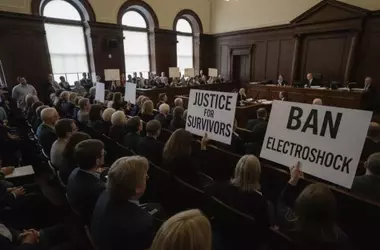
ECT Litigation: A Call for Accountability in Mental Healthcare
Electroconvulsive Therapy (ECT), despite its widespread use, faces ongoing controversy regarding its efficacy and side effects. Recent legal actions against ECT machine manufacturers and practitioners highlight a growing demand for greater transparency and accountability in the administration of this treatment. This article examines key lawsuits in the U.S. and their potential impact on future ECT practices and patient information.

The Unattainable Quest: Existential Therapy's Gap in Delivering Profound Change
This article delves into the personal journey of an individual seeking profound existential change through therapy, highlighting the disconnect between the theoretical underpinnings of existential therapy and its practical delivery. It questions whether weekly, hour-long sessions are sufficient to foster deep, lasting transformations in how individuals relate to mortality, meaning, and personal freedom, especially when societal norms constantly reinforce opposing perspectives. The author proposes integrating community support and ritualistic practices to bridge this gap, drawing on historical and anthropological evidence.

The Neurodiversity Paradox: Identities, Industries, and Clinical Challenges
This essay, part of a four-part series on neurodiversity, delves into the complexities and contradictions within the neurodiversity movement. Authored by an anonymous therapist, it explores how diagnostic labels have transformed into fundamental identities, the emergence of a "neuro-industry" for profit, and the resulting clinical challenges, particularly for children and young people. The piece highlights concerns about the imposition of identities, the silencing of dissenting views, and the potential for these narratives to obscure wider societal issues.

A Patient's Ordeal: The Enduring Battle with Antidepressant Withdrawal
This article details a personal struggle with antidepressant withdrawal, specifically from Cymbalta, highlighting the severe and prolonged symptoms like akathisia and chronic fatigue. The author's five-year tapering journey culminates in an unexpected return of debilitating symptoms, necessitating reinstatement of the medication. The narrative underscores the unpredictable nature of withdrawal, the challenges of finding effective medical guidance, and the profound impact these experiences have on an individual's life and choices.

A Patient's Ordeal: Systemic Failures in Mental Healthcare at an Arizona Clinic
This article recounts a patient's distressing experience between 2024 and 2025 at the Guidance Center in Flagstaff, AZ, alleging ethical and legal breaches that jeopardized their well-being. The patient details violations of ADA laws, improper psychiatric holds, physical restraint, denial of medical care, HIPAA breaches, undisclosed diagnoses, and retaliatory termination of services. The narrative highlights the systemic issues within the mental health system and the patient's ongoing fight for accountability.
Existential Therapy: A Critical Examination of Theory, Practice, and the Pursuit of Profound Change
This article explores the author's personal journey with existential therapy, questioning its efficacy in fostering deep, lasting change in confronting fears related to mortality, meaning, and identity. Despite gaining valuable insights and temporary relief from anxiety, the author highlights a significant gap between the theoretical understanding of existential therapy—which emphasizes communal support and immersive experiences—and its practical, hour-long weekly sessions. The piece critiques the field's failure to integrate its own knowledge about the necessity of sustained, community-reinforced engagement for truly transformative outcomes, suggesting potential avenues for improvement like peer support groups and increased communal elements.