 Breaking News & Live Updates
- Breaking News & Live Updates
- Breaking News & Live Updates
- Breaking News & Live Updates
- Breaking News & Live Updates
- Breaking News & Live Updates
- Breaking News & Live Updates
- Breaking News & Live Updates
- Breaking News & Live Updates
- Breaking News & Live Updates
The Imperative of Human Connection in Healthcare: Lessons from Cardiology and Psychiatry
In contemporary healthcare, a profound shift away from the humanistic essence of healing towards a technology-driven, economically rationalized model has been observed. This transformation, deeply critiqued by the celebrated cardiologist Bernard Lown in his influential work, 'The Lost Art of Healing,' underscores the diminishing role of human connection in the patient recovery process. Lown, despite his pioneering contributions to medical technology, ardently argued that genuine health and recuperation are inextricably linked to robust interpersonal relationships, both between doctor and patient, and within the patient's personal support network. This perspective starkly contrasts with the prevalent practices in modern psychiatry, which often prioritize pharmacological interventions and brief consultations over cultivating deep, empathetic connections, thereby neglecting the intricate emotional and social dimensions of mental well-being.
Bernard Lown, renowned for innovations like the direct-current defibrillator, recognized the inherent paradox in medical progress: while technology offered life-saving advancements, it simultaneously fostered a depersonalized approach to care. He lamented that "Every advance exacts a cost. Medicine grew even more depersonalized. Technology took precedence and patients became secondary." This sentiment is particularly resonant when examining the state of psychiatry today. While some, like psychiatrist Awais Aftab, argue for a pluralistic view of psychiatry, citing models like George Engel's biopsychosocial approach, the reality often diverges. A 2011 New York Times report highlighted a significant decline in psychiatrists providing talk therapy, with many sessions reduced to brief "medication management" appointments. This trend indicates a healthcare system where genuine engagement with patients' life circumstances, their relationships, and their profound emotional struggles has become increasingly rare.
Lown's personal journey further illuminates this critique. Initially drawn to psychology before pursuing medicine, he found psychiatry's allure diminished upon entering medical school, observing the very depersonalization he later critiqued in cardiology. Had he pursued psychiatry, it's plausible he would have become a vocal dissenter, advocating passionately against the dehumanizing aspects he witnessed. He eloquently expressed his sorrow over the trajectory of medicine: "A three-thousand-year tradition, which bonded doctor and patient in a special affinity of trust, is being traded for a new type of relationship. Healing is replaced with treating, caring is supplanted by managing, and the art of listening is taken over by technological procedures." For Lown, the distressed human being often becomes an absent entity in this transactional model of care.
His book, 'The Lost Art of Healing,' is filled with compelling narratives illustrating the power of human connection, even in cardiology. One anecdote details a patient suffering from recurrent atrial fibrillation, whose physical symptoms were intertwined with psychological distress over his estranged daughter. Lown's unconventional, yet ultimately effective, intervention—a forceful emotional confrontation—led to the patient reconciling with his family, which coincided with a remarkable improvement in his heart condition. Although Lown later reflected on the abrasive nature of his approach, he recognized the underlying principle: addressing deeply buried emotional pain was crucial for healing. In a subsequent case, he employed a gentler, yet equally firm, approach to help another patient overcome prejudice against his homosexual son, again resulting in both emotional liberation and improved physical health. These stories underscore Lown's conviction that the art of healing lies in understanding and addressing the patient's complete human experience, not just their biological ailments.
The abandonment of relationship-based care in psychiatry stems not only from economic incentives but also from a systemic emphasis on practitioners as 'symptom technicians.' Many mental health professionals are trained to fix observable problems rather than to cultivate the nuanced art of healing through trust and empathy. This approach often overlooks the profound impact of love, compassion, and deep affection in professional relationships. Lown himself asserted that genuine love for his patients was a critical facilitator of healing, distinguishing it from personal love but emphasizing its role in recognizing and respecting the unique person. The inability or unwillingness of some professionals to navigate this 'existential struggle' of integrating love and care into their practice contributes to the prevalent patient dissatisfaction. Consequently, many individuals who have experienced psychiatric care feel dehumanized and unheard, leading to a burgeoning movement advocating for a more compassionate and human-centered approach to mental health. The Lown Institute continues to champion these principles, striving for a healthcare system that prioritizes healing, equity, and the invaluable clinician-patient relationship over profit and technological fixation.
Other Articles

Mental Health Diagnoses: A Shifting Landscape, Not Fixed Categories
A new Psychological Review article challenges the core assumptions of psychiatric diagnosis, arguing that internalizing disorders like depression and anxiety are not stable, discrete entities but rather "shapeshifters." This variability in symptom presentation, both within individuals and across cultures, suggests current diagnostic systems like the DSM, despite their polythetic approach, create an illusion of stability. The researchers advocate for an overhaul of diagnostic thinking to better reflect the dynamic nature of these conditions.
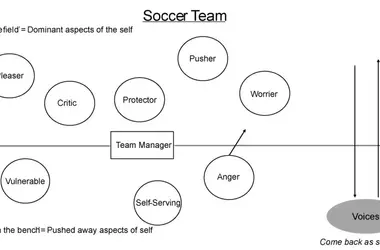
Coaching Inner Voices: A Soccer Metaphor for Understanding the Psyche
This article explores the "Talking with Voices" approach, which conceptualizes auditory hallucinations as disowned aspects of the self, often stemming from traumatic experiences. It introduces a unique soccer team metaphor to illustrate how individuals can learn to manage and constructively interact with these internal "players," fostering a more harmonious inner life. Psychologists Rufus and Kate, inspired by the hearing voices movement, advocate for this dialogical engagement to empower voice hearers to become effective "team managers" of their own minds.

Daily Maitake Mushroom Consumption May Boost Memory in Older Adults
A recent study suggests that daily consumption of a specific strain of maitake mushroom (Y10M) could enhance memory recall in healthy older Japanese adults. The research, published in the *Journal of Nutritional Science and Vitaminology*, found a correlation between improved cognitive scores and increased immune system activity, specifically natural killer cells, in participants who consumed mushroom-enriched bread over 18 weeks. This small-scale, placebo-controlled trial highlights the potential of maitake mushrooms in supporting cognitive function and preventing age-related decline.
Creatine Supplements Show Early Promise for Boosting Brain Energy in Alzheimer's Patients
A recent pilot study suggests that creatine, a popular muscle supplement, could offer a new therapeutic avenue for Alzheimer's disease. Patients who took daily doses of creatine over two months exhibited increased brain energy levels and improved cognitive test scores. This research highlights a novel approach focusing on restoring brain metabolism, which declines significantly in Alzheimer's patients.

Bridging Altered States: Psychedelics, Madness, and the Quest for Integrated Healing
This article delves into the author's transformative journey from a debilitating 'psychotic' episode in 1990 to finding profound healing through psychedelic-assisted therapy (PAT) decades later. It explores the stark contrast between traditional psychiatric responses to altered states and the integrated approach offered by PAT, emphasizing the critical role of thoughtful integration. The author advocates for reconsidering the blanket exclusion of individuals with psychosis diagnoses from psychedelic research, highlighting the potential for PAT to alleviate suffering and foster spiritual awareness when accompanied by careful preparation and professional support.

The Decline of Human Connection in Healthcare: Lessons from Bernard Lown's "The Lost Art of Healing"
This article explores the critique of modern medicine and psychiatry through the lens of cardiologist Bernard Lown's work, particularly his book "The Lost Art of Healing." Lown, a pioneer in cardiac technology and a Nobel Peace Prize laureate, argued that an over-reliance on technology and business efficiency has led to the dehumanization of healthcare, diminishing the crucial doctor-patient relationship and the role of human connection in healing. The article highlights how psychiatry, despite its focus on emotional well-being, has largely followed this trend, prioritizing medication management over therapeutic relationships. It draws parallels between Lown's experiences in cardiology and the current state of mental healthcare, emphasizing the economic and systemic pressures that have eroded the "art of caring" and fostered patient dissatisfaction.