 Breaking News & Live Updates
- Breaking News & Live Updates
- Breaking News & Live Updates
- Breaking News & Live Updates
- Breaking News & Live Updates
- Breaking News & Live Updates
- Breaking News & Live Updates
- Breaking News & Live Updates
- Breaking News & Live Updates
- Breaking News & Live Updates
Challenging the Scientific Consensus on ADHD: A Critical Examination of Diagnosis and Treatment
The recent Channel 4 documentary, "The Great ADHD Myth?," ignited a fervent discussion in the UK concerning Attention-Deficit/Hyperactivity Disorder. This program, led by psychiatrist Dr. Max Pemberton, explored whether ADHD is an inherent neurodevelopmental condition or primarily a societal construct, and critically evaluated if the surge in diagnoses and stimulant prescriptions truly reflects a rise in illness or merely societal pressures. The documentary notably featured a family's journey as their son temporarily ceased medication and embraced lifestyle adjustments.
The documentary’s broadcast prompted a strong reaction from ADHD UK, a charitable organization dedicated to providing accurate information about ADHD. Prior to its airing, the charity expressed concerns that the program's title and perspective could be detrimental. Following the broadcast, ADHD UK lodged a complaint with the broadcasting regulator and urged viewers to do likewise. Furthermore, the organization issued a robust rebuttal, critiquing the documentary’s experimental segments and warning that it could heighten stigma, deter individuals from seeking professional help, and potentially endanger lives. These are significant assertions that merit thorough consideration, though any critique of the documentary's presentation must acknowledge the inherent limitations of television as a medium. Within a mere hour, the program successfully brought a critical, often overlooked perspective on a vital children's health issue to public attention. It is natural for television to employ storytelling, evoke emotions, and condense interviews. However, ADHD UK’s response extended beyond such criticisms, making three broad and emphatic statements about ADHD and the current scientific understanding:
These declarations assert that the scientific understanding of ADHD is definitively established, a claim that necessitates a more extensive inquiry than could be provided in a brief statement or this short article. A comprehensive evaluation must delve into the philosophical underpinnings of psychiatric diagnoses in the absence of objective biological markers, assess the reliability and validity of the ADHD diagnosis itself, and scrutinize the long-term evidence concerning the effectiveness and safety of recommended first-line treatments. This extensive task is thoroughly addressed in a book titled "ADHD Is Not an Illness and Ritalin Is Not a Cure." The aim here is more focused: to scrutinize each of ADHD UK’s three declarations using a few key examples. It’s important to note at the outset that summarizing this argument in a few sentences carries an inherent tension, as the central premise is that such sweeping claims demand careful evidence and analysis. Nevertheless, outlining the core argument before presenting the evidence may prove beneficial: Firstly, a protracted and often intense scientific debate cannot be concluded simply by denying its existence. Secondly, a correlation between an ADHD diagnosis and premature mortality does not inherently prove that ADHD itself is the cause, especially when other significant explanations, such as the cardiovascular and psychiatric risks associated with stimulant medications, have not been adequately explored. Finally, the assertion that ADHD is neither a myth nor a social construct ultimately rests on a broader proposition: that ADHD is a valid and distinct medical or neurobiological condition. This proposition requires a substantial body of evidence beyond what ADHD UK could reasonably present in a concise response, and more than can be fully examined here. However, even a limited review of a fundamental problem—the exceptionally high rates of diagnosis compared to the basic criterion of deviance—is sufficient to highlight a serious flaw at the very core of the diagnosis.
It is imperative that children and adults experiencing difficulties with attention, restlessness, or impulsivity receive understanding and effective support. Their challenges are undeniably real. Nevertheless, real challenges alone do not validate a specific medical diagnosis, nor do they confirm the long-term safety and benefits of its primary treatment. If a diagnostic category cannot clearly differentiate between a disorder and typical human variations, and if significant questions about its treatment remain unresolved, the responsibility to provide conclusive proof rests with those who present it as an established medical fact. While ADHD UK is entitled to critique the documentary's editing, framing, and on-screen experimentation, its definitive pronouncements do not address these fundamental scientific issues. The organization has responded to a television program, but it has yet to adequately counter the scientific arguments against treating ADHD as a firmly established and validated biomedical diagnosis, or stimulant medication as a scientifically proven solution.
Other Articles
The Power of Dialogue: Fostering Safe Spaces for Mental Health Crisis Response
This article highlights Mad in America's commitment to creating safe spaces for dialogue concerning mental distress and its treatment. Drawing parallels with the 'Open Dialogue' approach, it emphasizes how open communication, especially from those with lived experiences, can lead to more effective and humane responses to mental health crises, moving beyond conventional medical interventions. The piece also previews upcoming events aimed at deepening this crucial conversation.

Scientific Misconduct in Depression Study: A Call for Accountability
This article exposes alleged pervasive fraud and scientific misconduct within the Sequenced Treatment Alternatives to Relieve Depression (STAR*D) study, the largest antidepressant trial ever conducted. Despite initial claims of a 67% remission rate, reanalysis by independent researchers, adhering strictly to the original protocol, reveals a significantly lower success rate of 35%, along with undisclosed increased suicidality risks. The authors criticize medical journals for failing to retract the misleading findings, calling for independent oversight and legal reforms to ensure accountability and protect public safety in medical research.
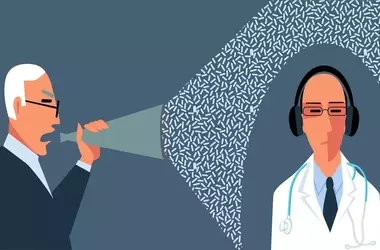
Patients prescribed antipsychotics feel unheard: A call for shared decision-making
A new study reveals that individuals prescribed antipsychotics often feel their concerns about negative effects are ignored, highlighting a significant gap in person-centered care and shared decision-making within psychiatry. Despite global advocacy for patient autonomy, many are not fully informed or involved in their treatment choices, leading to feelings of being unheard and undermining treatment adherence and satisfaction. The study underscores the urgent need for changes in clinical practice, including improved communication and comprehensive shared decision-making training for healthcare professionals.

Antidepressant Withdrawal: A Physician's Personal Journey and Research Insights
Dr. Mark Horowitz, a psychiatrist and researcher, shares his personal experience with severe antidepressant withdrawal symptoms, which ignited his passion for studying the subject. His research, co-authored with Dr. David Taylor and published in *Lancet Psychiatry*, highlights the importance of slow, hyperbolic tapering off antidepressants over months or even years, rather than quick discontinuation, to prevent debilitating withdrawal effects. This interview delves into the neurobiology of withdrawal and the challenges within the medical community in acknowledging and addressing this critical issue, advocating for evidence-based guidelines.

Challenging Psychiatry's Low Expectations: A Journey of Resilience
This article explores the detrimental impact of low expectations imposed by the psychiatric system on individuals with mental health diagnoses. The author shares a personal experience of being dismissed by a social worker and the subsequent journey of recovery and academic success, far exceeding the initial prognosis. It also critiques media portrayals of mental illness and highlights similar experiences of other highly capable individuals who defied societal and institutional limitations.

The Unfulfilled Promise of Existential Therapy: Bridging Theory and Practice
This article explores the inherent challenges within existential therapy, particularly the disconnect between its profound theoretical understanding of human needs and its current therapeutic delivery model. The author, drawing on personal experience and a multidisciplinary background, questions whether weekly, hour-long sessions can truly facilitate the transformative shifts clients seek when facing existential concerns like mortality, meaning, and identity. The piece advocates for a reevaluation of the therapeutic structure to incorporate communal support and ritual, aligning practice more closely with theoretical insights to achieve deeper, more sustainable change.