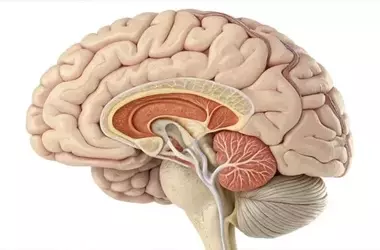
Recent research highlights a critical discovery in understanding Alzheimer's disease progression and identifying at-risk individuals before overt symptoms appear. Scientists have identified distinct brain network patterns that not only differentiate individuals with exceptional memory (SuperAgers) from those with Alzheimer's but also pinpoint hidden risks in otherwise healthy seniors. This novel approach, detailed in Science Advances, suggests that brain activity resembling Alzheimer's patterns in cognitively healthy older adults is a strong predictor of accelerated cognitive decline, faster accumulation of Alzheimer's-related plaques, and a higher likelihood of progressing to mild cognitive impairment or dementia. This finding offers a promising avenue for early intervention strategies, potentially years before clinical symptoms manifest.
The study's methodology involved creating a brain signature by contrasting the functional connectomes of SuperAgers and Alzheimer's patients. This signature, termed the Alzheimer's Resilience-Vulnerability Connectome, was then applied to cognitively healthy older adults, revealing a subgroup with an Alzheimer's-like pattern. These individuals, despite initial normal memory scores, exhibited a more rapid decline in cognitive functions and increased amyloid-beta plaque accumulation over time. This research underscores the importance of functional brain connectivity as a biomarker for preclinical Alzheimer's disease, offering a more nuanced understanding of brain aging beyond traditional cognitive assessments and genetic markers.
Unveiling Hidden Alzheimer's Risk Through Brain Connectivity
A groundbreaking study has identified specific brain network patterns that can distinguish individuals with superior memory from those with Alzheimer's disease, and crucially, can also flag hidden risks in cognitively healthy older adults. This research, published in Science Advances, reveals that older adults whose brain activity patterns resemble those seen in Alzheimer's patients, even if their initial memory tests are normal, tend to experience a faster decline in cognitive function and accumulate Alzheimer's-related plaques more quickly. These individuals are also more likely to progress to mild cognitive impairment or dementia over time. This discovery offers a significant leap forward in identifying individuals at risk for Alzheimer's disease long before noticeable symptoms appear, paving the way for earlier interventions and potential therapies.
The study leveraged functional magnetic resonance imaging (fMRI) to map the brain's functional connectome, analyzing coordinated activity across different brain regions. By comparing SuperAgers (older adults with exceptional memory) against Alzheimer's patients, researchers developed a unique brain signature—the Alzheimer's Resilience-Vulnerability Connectome. This signature successfully differentiated the two extreme groups with high accuracy and, when applied to cognitively healthy seniors, revealed a subgroup exhibiting an Alzheimer's-like connectivity pattern. This subgroup, despite performing similarly on initial memory tests, showed a marked acceleration in overall clinical functioning decline, memory, attention, and executive function over follow-up periods of up to 15 years. Furthermore, they accumulated amyloid-beta plaques faster, particularly in frontal and temporal brain regions, indicating a biological divergence even before significant cognitive impairment.
The Predictive Power of the Alzheimer's Resilience-Vulnerability Connectome
The Alzheimer's Resilience-Vulnerability Connectome (ARC) represents a significant advancement in predicting the trajectory of cognitive aging and Alzheimer's disease. This brain network signature, developed by contrasting SuperAgers with Alzheimer's patients, has shown remarkable ability to identify cognitively healthy older adults who are on a path toward cognitive decline and dementia. Individuals displaying an Alzheimer's-like connectivity pattern, as assessed by the ARC, exhibited faster worsening in various cognitive domains, including memory, attention, and executive function. Importantly, this predictive value extended beyond traditional risk factors such as demographics, PET biomarkers for amyloid and tau, and APOE gene status, suggesting that functional brain connectivity offers a unique and independent insight into an individual's vulnerability to Alzheimer's disease.
The study's findings indicate that approximately one in four cognitively healthy older adults may already harbor an Alzheimer's-like connectivity pattern, predisposing them to accelerated cognitive decline. This subgroup demonstrated not only a more rapid deterioration in cognitive abilities but also a quicker accumulation of amyloid-beta plaques over time, aligning with the typical progression of Alzheimer's pathology where amyloid spreads across brain networks early on. While the ARC is currently a research tool for risk stratification rather than a standalone diagnostic test for individuals, its potential for clinical translation is immense. It could be instrumental in enriching preventive drug studies by identifying high-risk, asymptomatic individuals, thereby making clinical trials more efficient and potentially leading to earlier therapeutic interventions that could slow or halt the disease's progression before symptoms become debilitating. Future research will further explore the integration of ARC with other brain health markers and genetic information to refine its predictive accuracy and applicability.